



How Black History Wall Art Preserves Cultural Memory
Cultural memory is fragile. It can be diluted, rewritten, or forgotten when it is not actively preserved. While books, archives, and institutions play an important role, cultural memory survives mo...
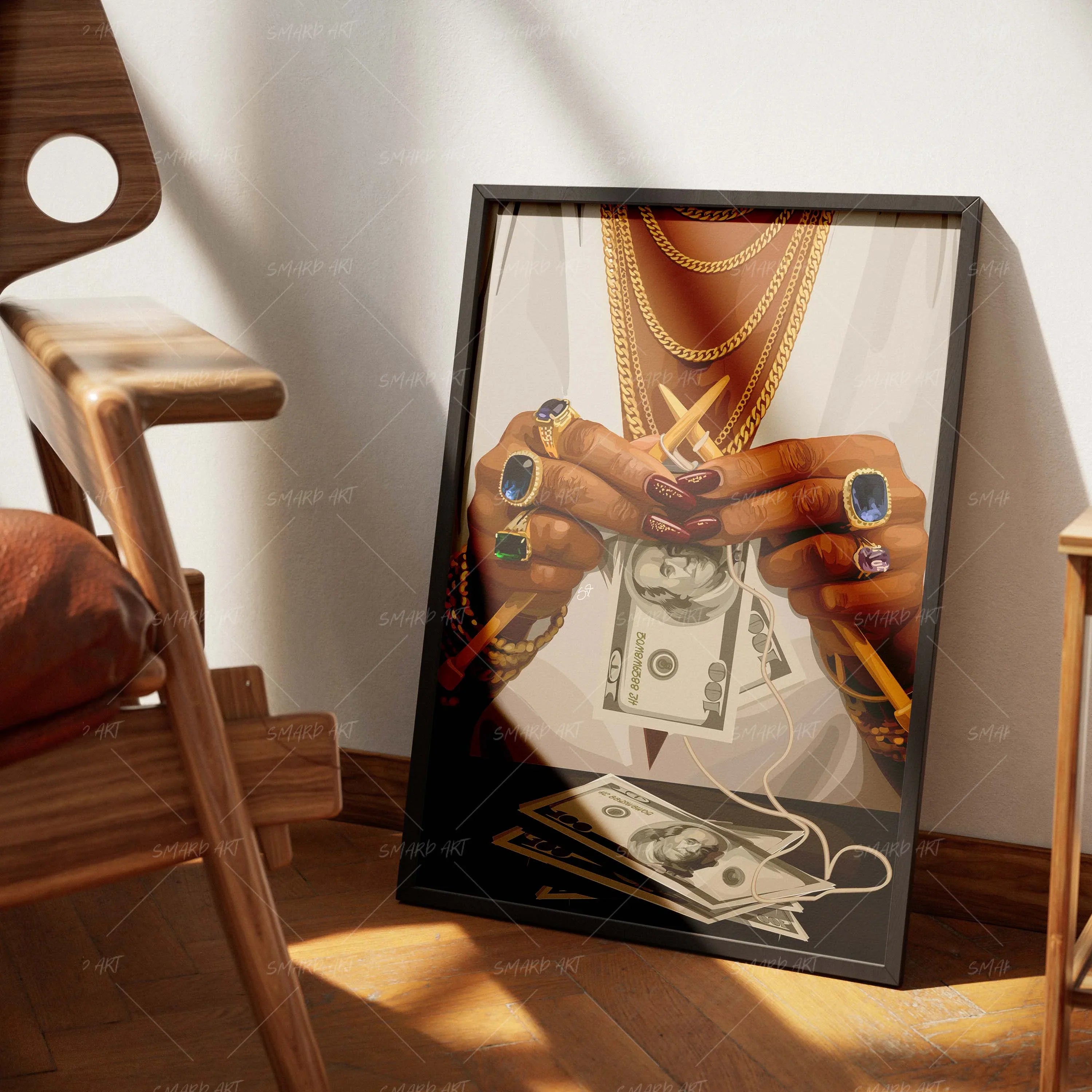
The Role of Black History Wall Art in Identity Formation
Identity does not develop in isolation. It forms through repeated experiences, environments, and signals about belonging. Visual culture plays a critical role in this process, especially during for...
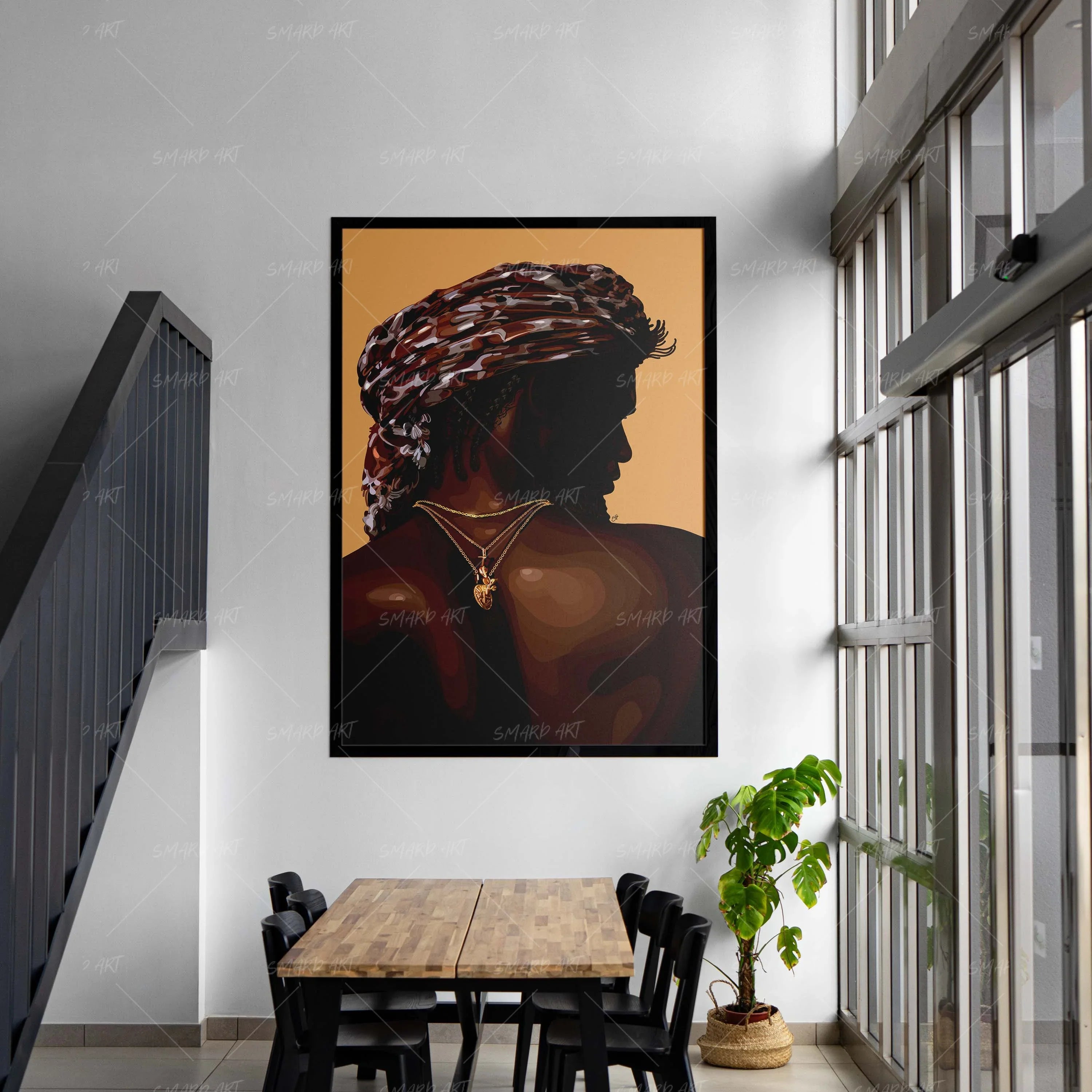
Why Black History Wall Art Matters in Modern Homes
Modern homes are not neutral spaces. They reflect values, priorities, and identity — even when those values are not spoken aloud. What is placed on the walls communicates just as much as what is sa...
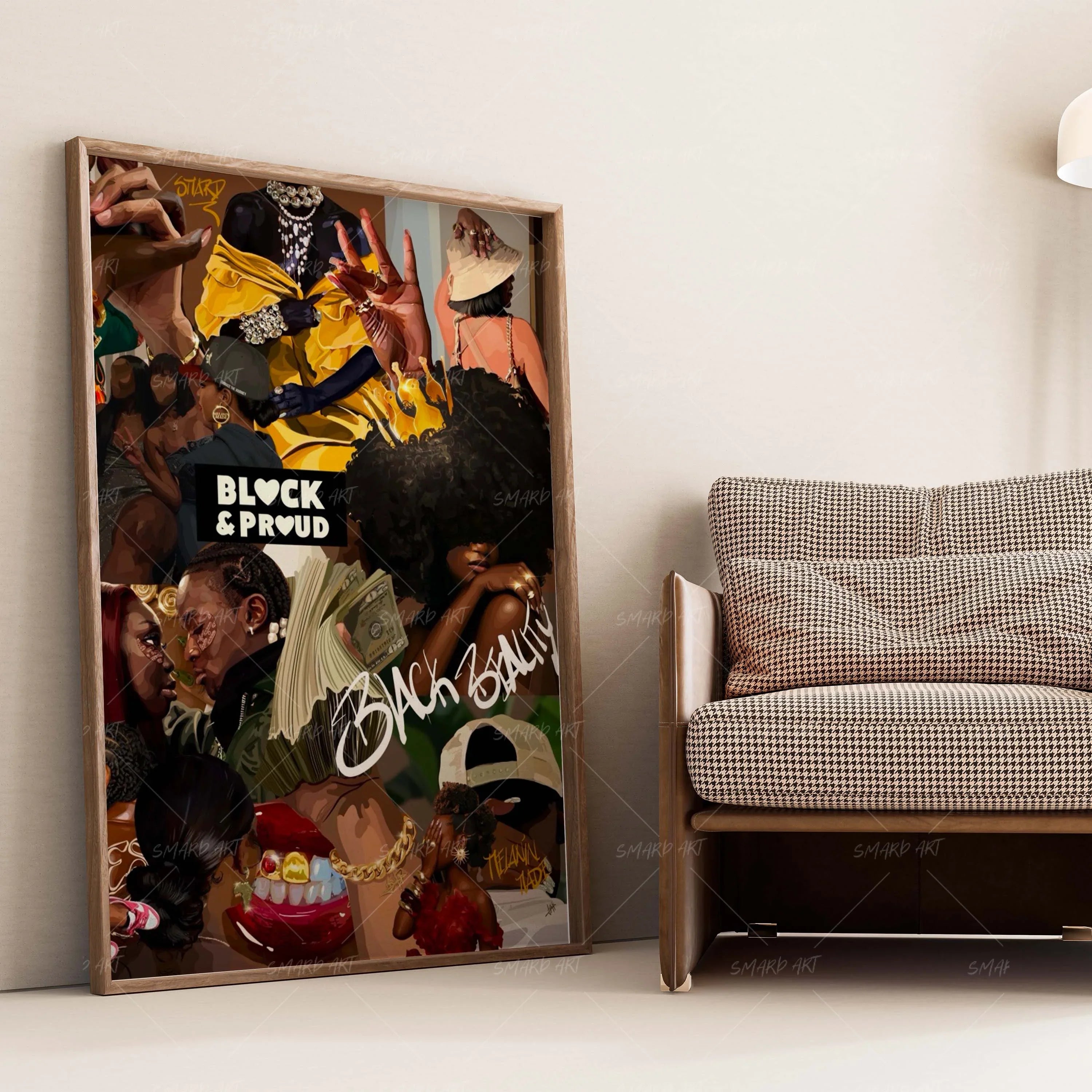
Why Black History Wall Art Belongs in Conversations About the Future, Not Just the Past
Black history is often framed as something behind us — something to remember, commemorate, and reflect on. But history is not only retrospective.It is foundational. Black History wall art belongs j...
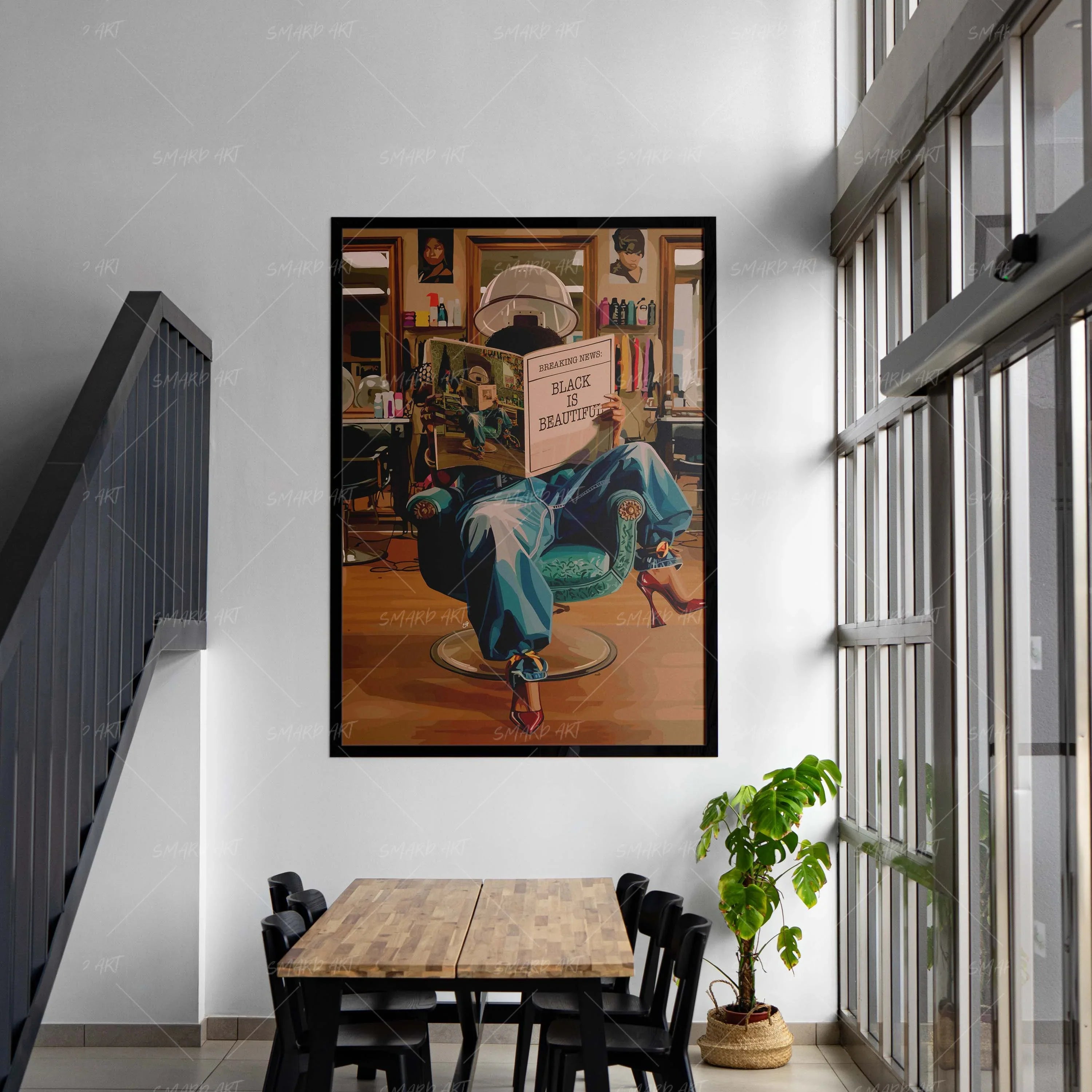
7 Ways Black History Wall Art Reclaims Narratives That Were Never Fully Told
History is rarely neutral. What gets recorded, repeated, and remembered is often shaped by power, access, and perspective. For Black communities, this has meant that many stories were simplified, s...
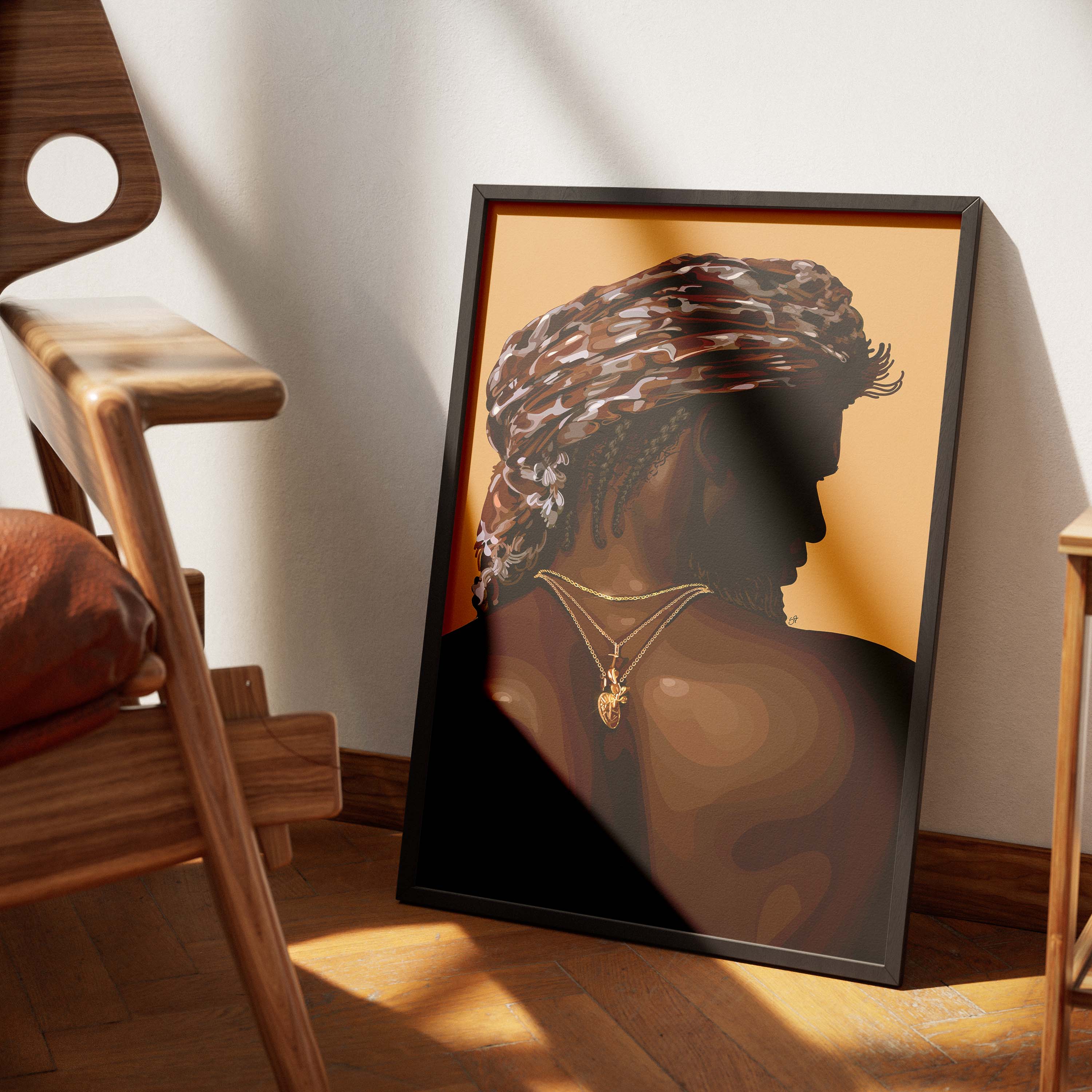
5 Ways Black History Wall Art Shapes Identity at Home
Home is more than shelter. It is where values are reinforced, memories are formed, and identity quietly takes shape over time. The objects we choose to live with — especially what we place on our w...