


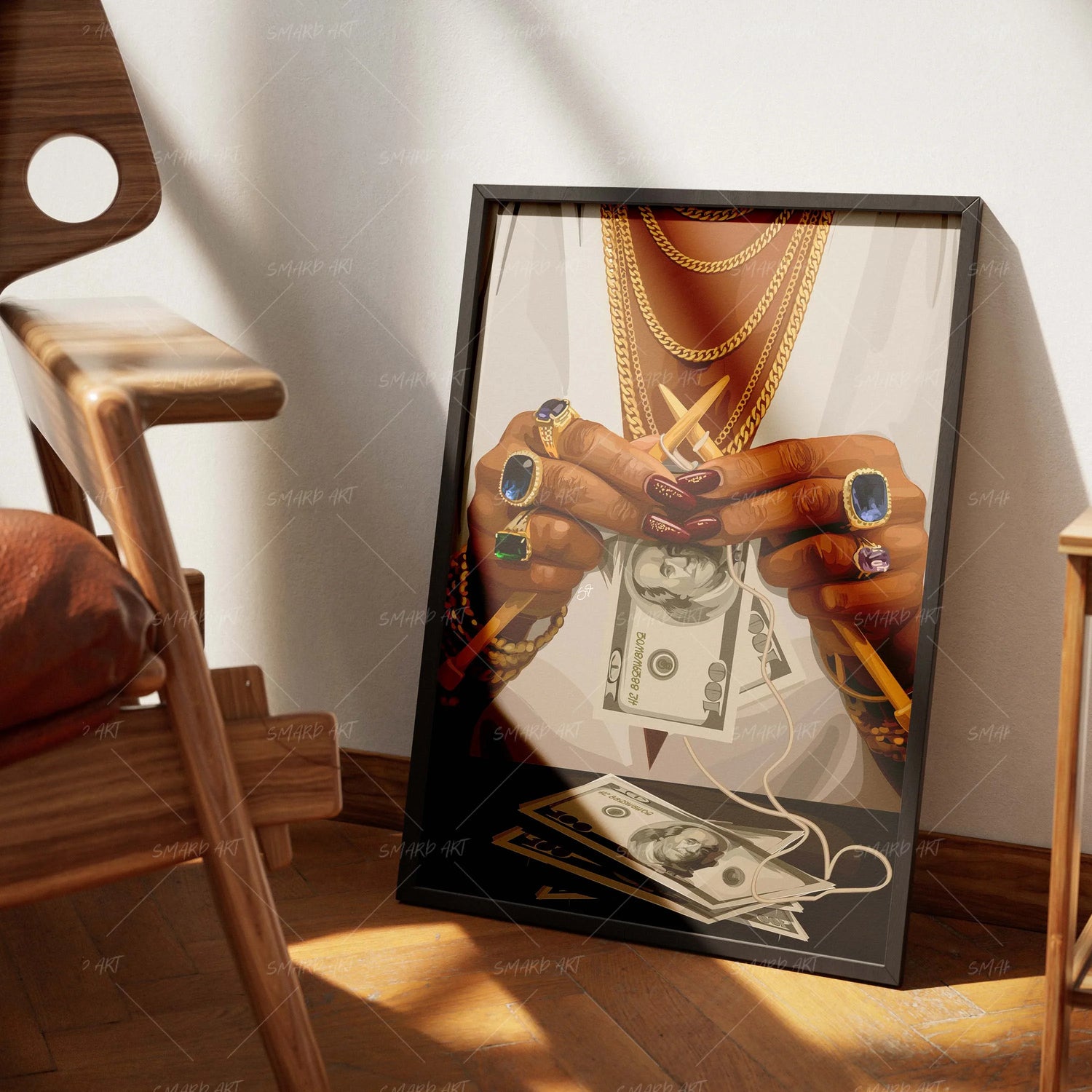
Identity does not develop in isolation.
It forms through repeated experiences, environments, and signals about belonging. Visual culture plays a critical role in this process, especially during formative years.
Black History wall art contributes to identity formation by reinforcing cultural truth through constant, affirming visibility.
Identity Is Learned Before It Is Named
Long before people articulate who they are, they absorb cues from their surroundings.
Images, symbols, and representation shape identity subconsciously. Wall art introduces cultural narratives early — before identity is questioned or challenged.
This early reinforcement matters.
Seeing History as Personal, Not Abstract
When Black history is presented visually, it feels personal.
Faces, moments, and symbols humanize history, transforming it from distant information into lived experience. This personalization strengthens emotional connection and self-recognition.
Identity grows from connection.
Counteracting Absence and Misrepresentation
Historically, Black narratives have often been absent or distorted.
Wall art acts as a corrective force, offering representation that is affirming rather than marginalizing. It provides visual truth where other sources may have failed.
Correction restores confidence.
Why Identity Needs Repetition
Identity is reinforced through repetition.
Seeing cultural history once is not enough. Consistent exposure embeds identity deeply, making it resilient to external challenges or erasure.
Wall art provides that repetition effortlessly.

Identity Beyond Individual Experience
Black History wall art connects personal identity to collective legacy.
It reminds individuals that their story is part of something larger — a continuum of resilience, creativity, and contribution.
This collective grounding strengthens self-worth.
Art as Silent Affirmation
Not all affirmation needs words.
Wall art affirms identity simply by existing. It communicates worth without explanation and pride without declaration.
This quiet affirmation is powerful.
Identity Formation Across Generations
Identity does not reset with each generation.
Wall art creates continuity, ensuring that cultural narratives pass naturally from one generation to the next. It supports identity formation not just individually, but collectively.
Continuity builds strength.
Why Identity Shapes Future Possibility
When identity is grounded, possibility expands.
People who see themselves reflected in history are more likely to imagine themselves shaping the future. Wall art plays a subtle but meaningful role in that imagination.
Visibility fuels possibility.
Final Reflection
Identity is not accidental.
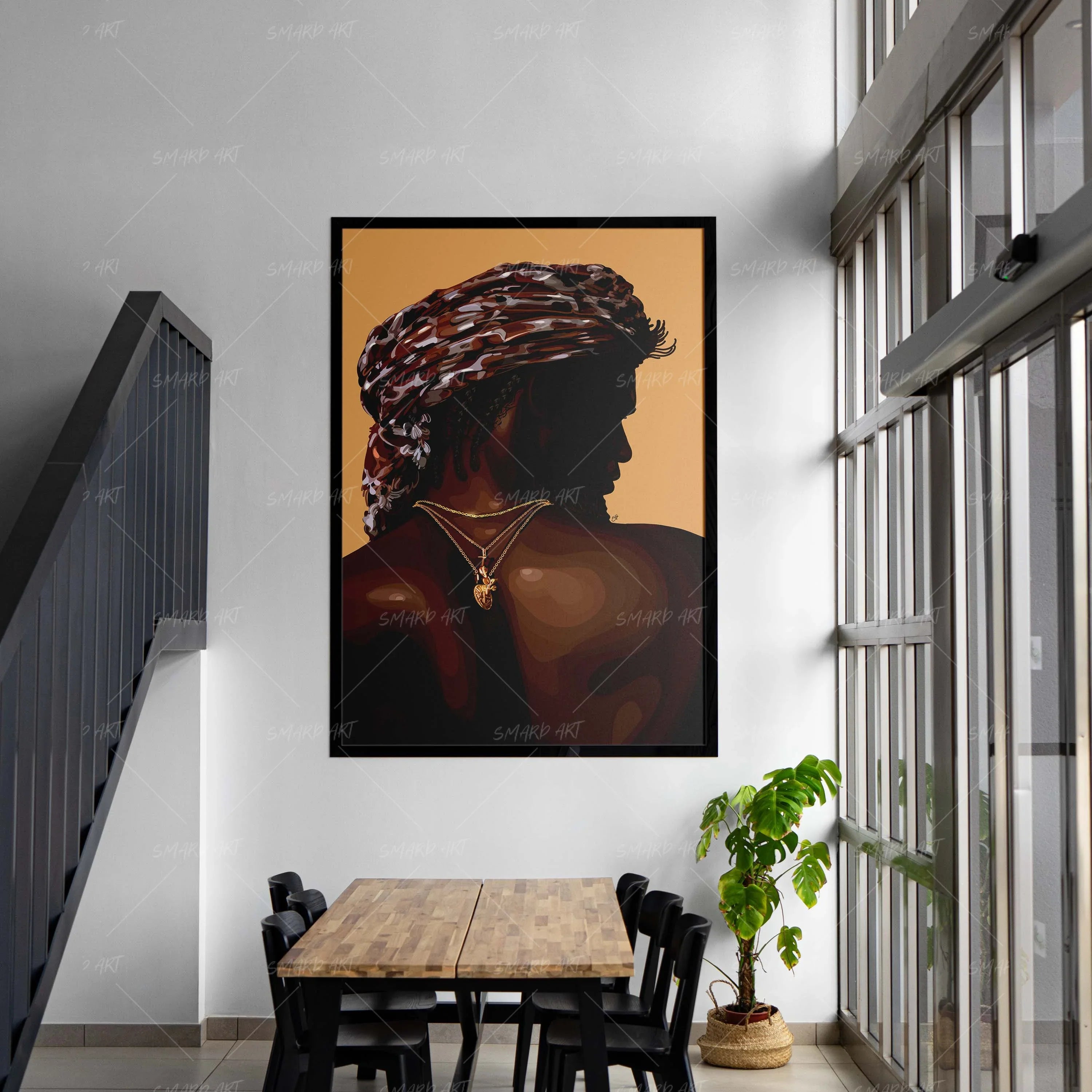
Black History wall art supports identity formation by making culture visible, personal, and continuous.
What we see repeatedly becomes who we believe ourselves to be.


Leave a comment
This site is protected by hCaptcha and the hCaptcha Privacy Policy and Terms of Service apply.