



Cultural memory is fragile.
It can be diluted, rewritten, or forgotten when it is not actively preserved. While books, archives, and institutions play an important role, cultural memory survives most powerfully when it is woven into everyday life.
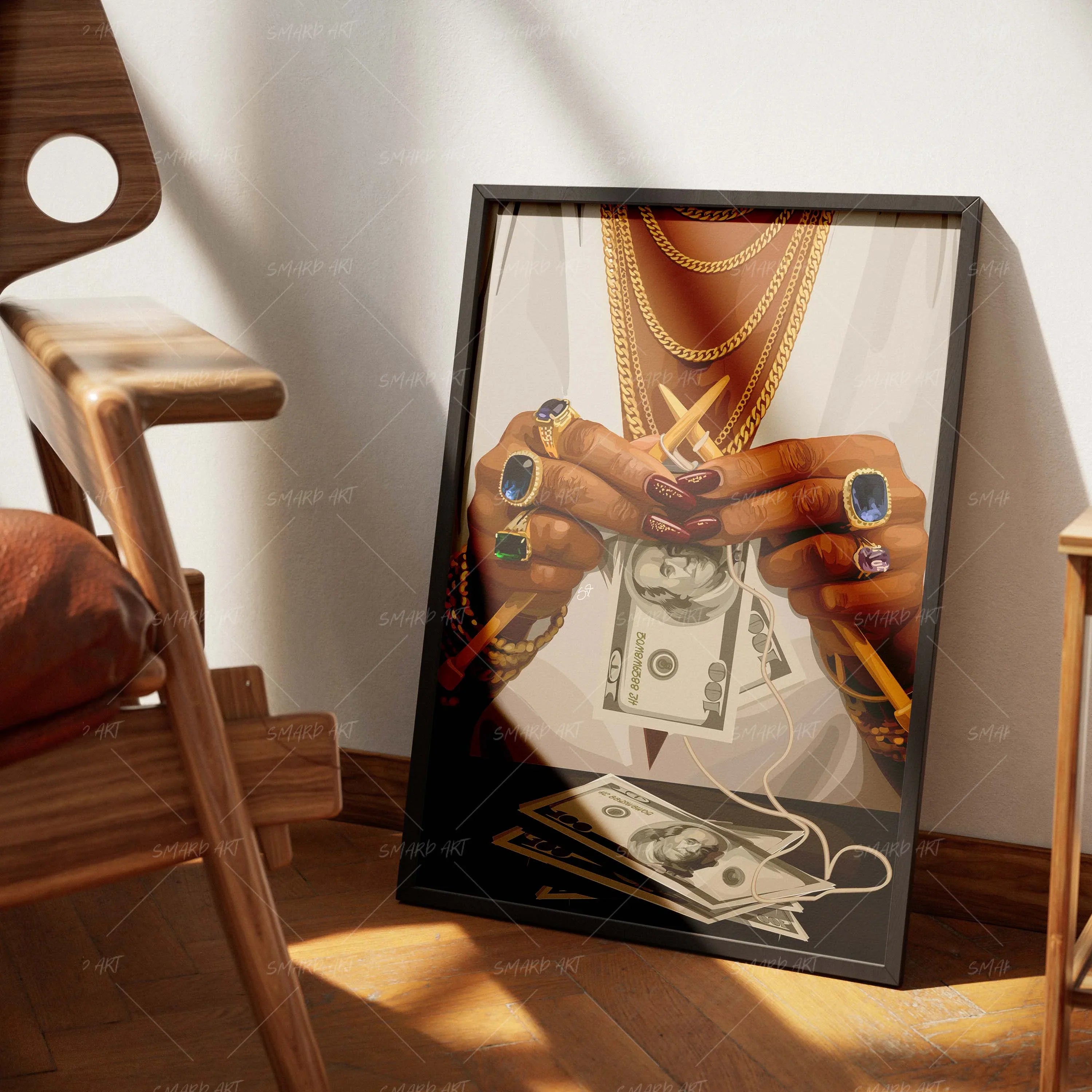
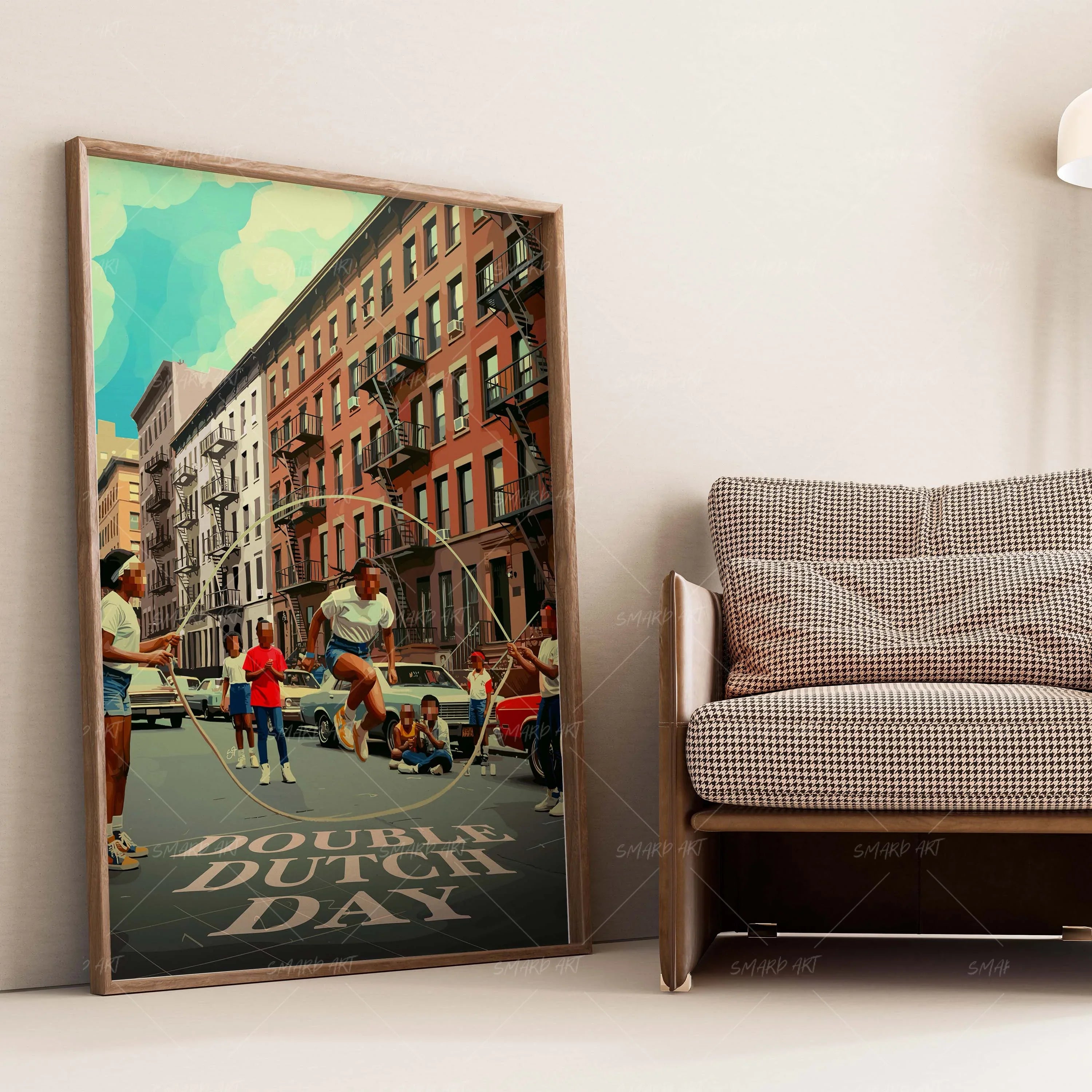
Black History wall art preserves cultural memory by keeping history visible, lived, and emotionally accessible rather than archived and distant.
What Cultural Memory Really Means
Cultural memory is not just historical knowledge.
It is the shared understanding of who a people are, where they come from, and what they have endured and created. It exists in stories, symbols, and repeated exposure — not only in formal records.
When cultural memory disappears from daily life, it slowly erodes.
Why Visibility Is Essential to Preservation
Memory requires reinforcement.
When history is seen regularly, it remains active rather than passive. Wall art places cultural memory in constant view, allowing it to be absorbed naturally instead of intentionally recalled.
This everyday visibility keeps memory alive.
Art as a Living Archive
Unlike traditional archives, art does not remain static.
Black History wall art functions as a living archive — one that evolves in meaning as new generations interact with it. Each viewer brings personal context, making the memory dynamic rather than frozen.
Living archives endure longer.
Preserving Stories That Were Not Fully Recorded
Much of Black history was not preserved through official channels.
Wall art helps recover and honor narratives that may not exist fully in written form. Through symbolism and visual storytelling, it preserves emotional truth even when documentation is incomplete.
This preservation fills historical gaps.

Memory Passed Through Environment
Cultural memory is often transmitted unconsciously.
Children absorb values, pride, and history through their surroundings before they understand them intellectually. Wall art ensures that cultural memory is present during those formative years.
Environment teaches quietly.
Resisting Cultural Erasure
Erasure often happens through absence rather than attack.
When Black history is missing from shared spaces, it becomes easier to overlook or diminish. Wall art resists this by asserting presence and permanence.
What remains visible cannot be erased easily.
Emotional Connection Strengthens Memory
People remember what they feel.
Black History wall art evokes emotion — pride, reflection, resilience — which strengthens memory retention. Emotional engagement ensures history is not only known, but remembered.
Feeling anchors memory.
Continuity Across Generations
Cultural memory is strongest when it flows naturally from one generation to the next.
Wall art provides continuity, allowing elders, adults, and children to share visual touchstones that connect past experiences with present identity.
Continuity builds cultural stability.
Final Reflection
Cultural memory does not survive by chance.
Black History wall art preserves memory by keeping it present, emotional, and lived — not stored away or selectively remembered.
What we see repeatedly becomes what we carry forward.

Leave a comment
This site is protected by hCaptcha and the hCaptcha Privacy Policy and Terms of Service apply.