



Art is not just about aesthetics—it tells stories, preserves heritage, and communicates identity. In interior design, cultural artwork plays a unique role because it adds depth, meaning, and personal significance to a space.
Cultural art can include traditional paintings, historical pieces, or contemporary works that celebrate heritage. These pieces not only enhance visual appeal but also connect homeowners and guests to stories, traditions, and values.
Incorporating cultural art into your home transforms décor into a meaningful experience.
Connecting Home Design With Heritage
Cultural art allows homeowners to reflect their heritage within their interiors. Whether through ancestral motifs, traditional patterns, or local craftsmanship, these pieces embed history into the home environment.
This connection is powerful because it makes the home feel authentic. Visitors experience more than style—they see the narrative and identity that define the homeowner.
Cultural art fosters pride, awareness, and belonging.
Adding Depth and Meaning
While modern design often emphasizes minimalism and visual simplicity, cultural art introduces layers of depth. Pieces that carry symbolic meaning, historical context, or personal significance add richness to interiors.
For example, a painting depicting a historic event or cultural celebration not only decorates a wall but also tells a story. This story becomes part of the home’s atmosphere.
Homes with cultural art often feel more lived-in, intentional, and expressive.
Enhancing Aesthetic Diversity
Cultural art introduces unique textures, colors, and forms that can diversify interior design. From intricate woven textiles to bold geometric prints, these pieces bring visual interest that contrasts with standard décor elements.
In modern homes, this diversity can break monotony and create dynamic focal points.
It also allows homeowners to blend traditional and contemporary design elements, achieving a layered and sophisticated look.
Inspiring Conversation
Artwork with cultural significance naturally sparks curiosity and discussion. Guests may inquire about the origin, story, or meaning of a piece, leading to engaging conversations.
Cultural art thus elevates the social aspect of interior design. Walls become more than decorative—they become points of connection and learning.

Supporting Artists and Cultural Preservation
Choosing cultural artwork often supports local artists or artisans who preserve traditional methods. By investing in authentic pieces, homeowners contribute to the continuation of heritage and craftsmanship.
This practice encourages sustainable and meaningful art consumption, benefiting both the community and the home.
Integrating Cultural Art Into Modern Spaces
Cultural pieces can complement modern interiors when integrated thoughtfully. Pairing traditional artwork with minimalist furniture or neutral color palettes creates a balanced look.
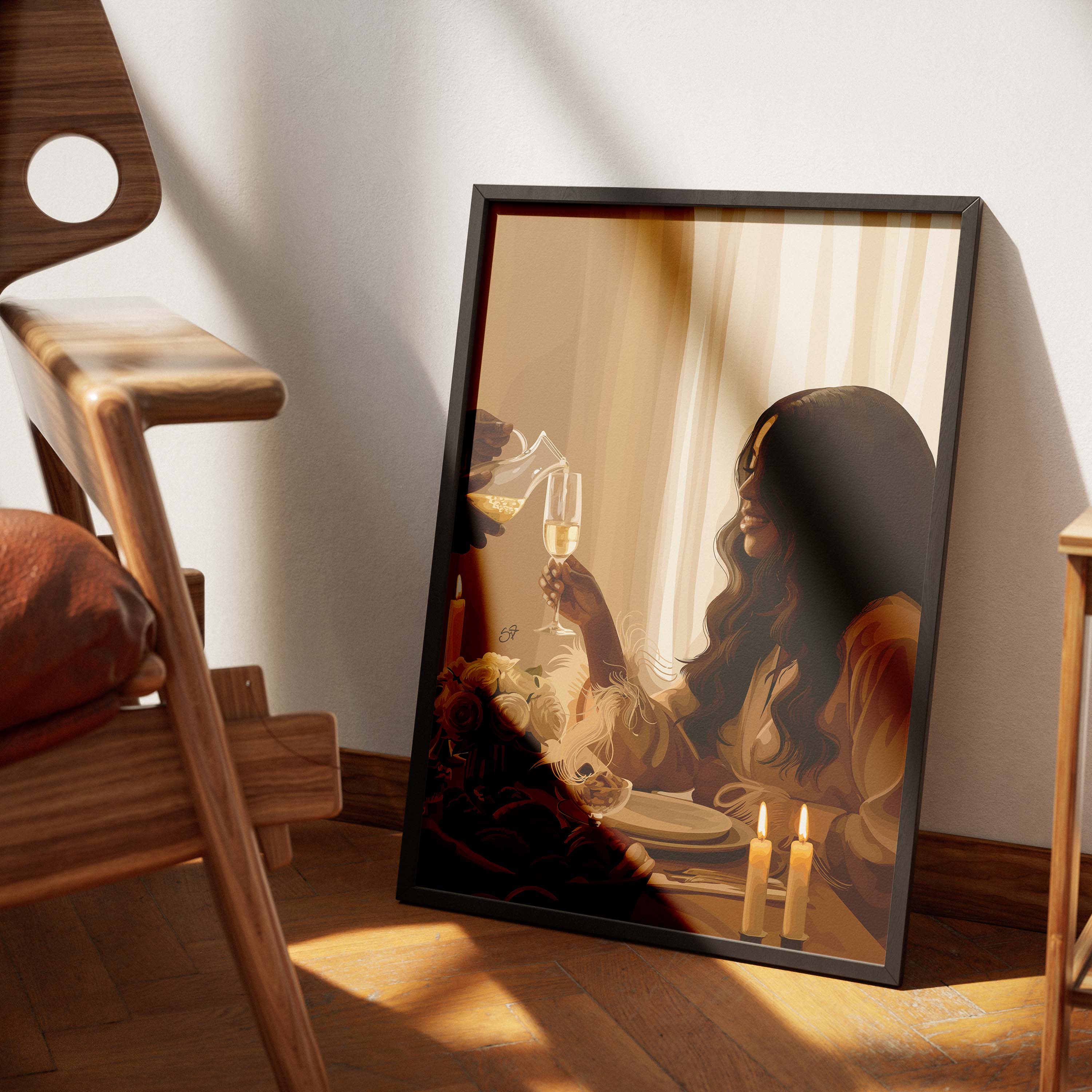
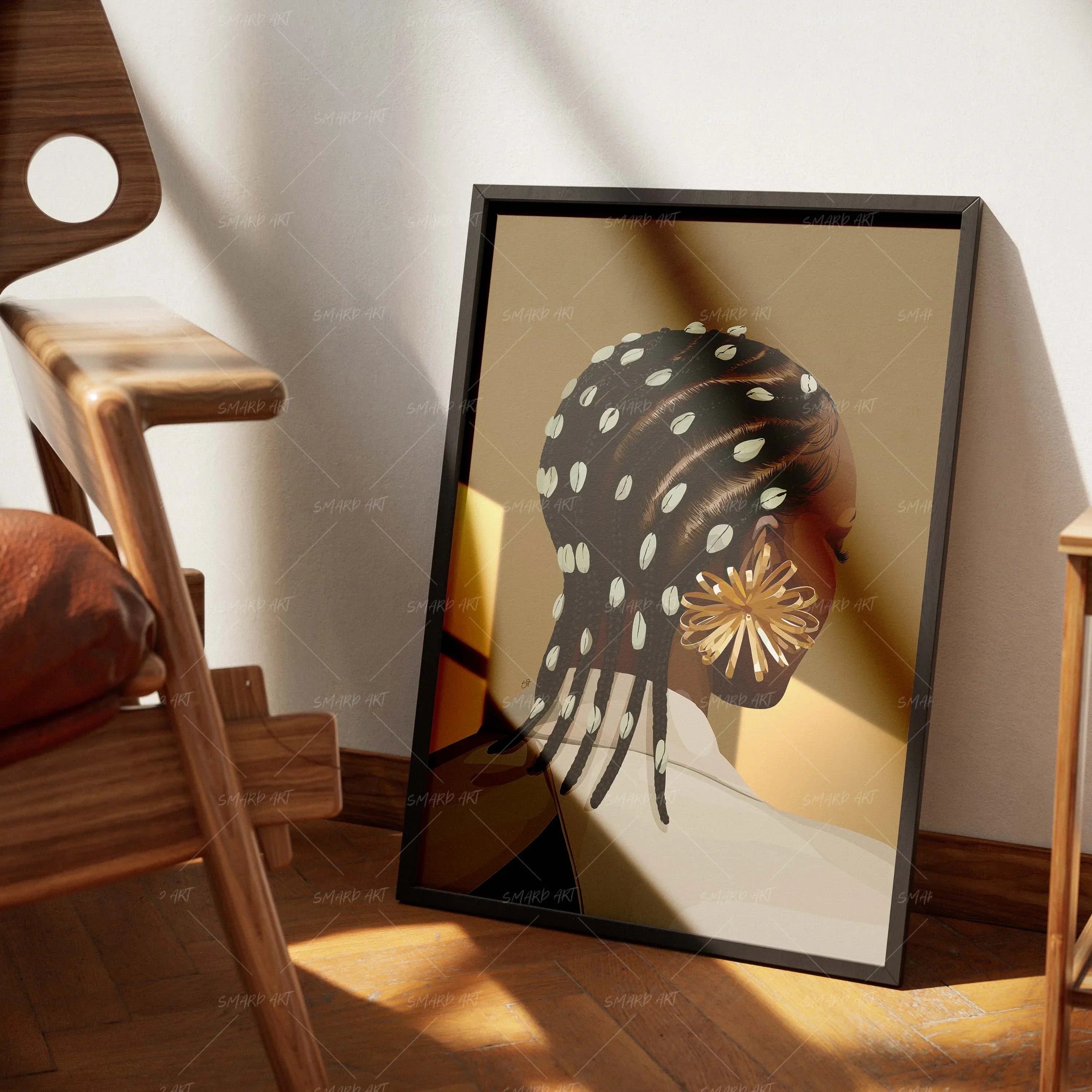
Even small elements, like a framed cultural print or a hand-carved sculpture, can introduce heritage into contemporary spaces without overwhelming the design.
Blending old and new adds dimension and personality.
Creating Emotional Resonance
Cultural art carries emotional weight. Seeing familiar motifs, symbols, or traditional artistry evokes feelings of nostalgia, pride, or connection.
This emotional resonance makes a home feel welcoming, rooted, and purposeful.
Incorporating such art ensures that the space resonates with occupants on a deeper level.
Final Thoughts
Cultural art is more than decorative—it connects interiors to history, heritage, and identity. It introduces meaning, visual diversity, and emotional depth that elevate interior design beyond aesthetics.
By carefully integrating cultural pieces into modern or traditional spaces, homeowners can create interiors that tell stories, inspire conversation, and reflect personal and collective identity.
Cultural art transforms walls into windows of heritage, making homes not only beautiful but profoundly meaningful.

Leave a comment
This site is protected by hCaptcha and the hCaptcha Privacy Policy and Terms of Service apply.