


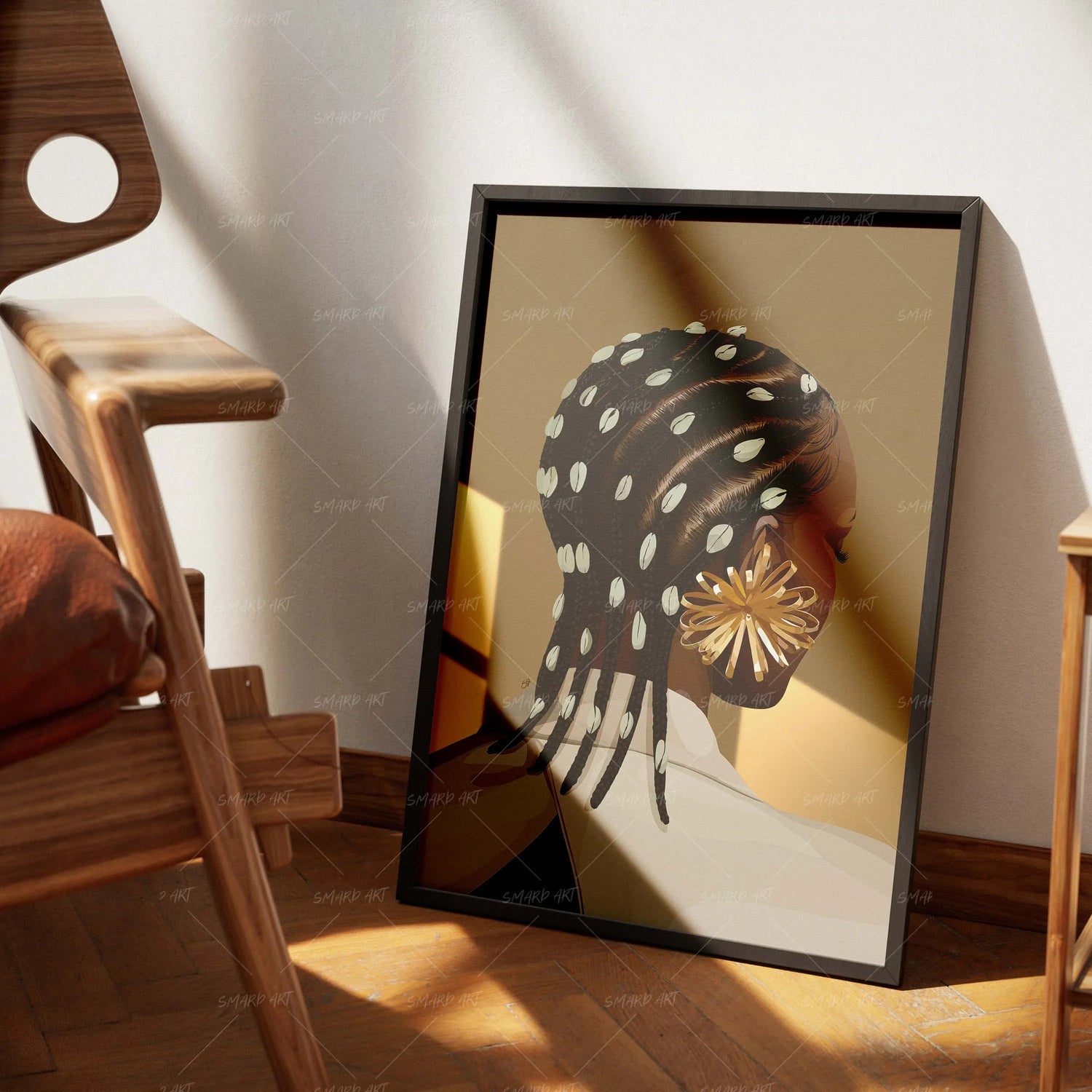
Mixing abstract and traditional art in a single space is a trend that allows homeowners to combine timeless elegance with modern creativity. While some people hesitate to blend these two styles, thoughtful integration can result in a dynamic and visually engaging environment.
The key is balance. Both abstract and traditional pieces have distinct characteristics: traditional art emphasizes realism, detail, and classic techniques, while abstract art prioritizes emotion, color, and form. Combining these elements thoughtfully adds depth and personality to any room.
Here are five ways to mix abstract and traditional art successfully.
1. Start With a Unified Color Palette
Color is the easiest way to create cohesion between abstract and traditional pieces. Even if the artwork differs in style, sharing one or two dominant colors can create visual harmony.
For example, if you have a traditional landscape painting with soft blues and greens, you can pair it with an abstract piece that features similar tones. This allows the eye to move fluidly across the room without feeling disjointed.
Color coordination ensures balance while still allowing each piece to stand out.
2. Use One Style as the Anchor
When mixing styles, it often helps to let one piece act as the anchor. Typically, the traditional artwork can serve as the grounding element, while abstract pieces add energy and contrast.
The anchor should be visually dominant, whether through size, placement, or detail. The complementary abstract pieces then add interest, create rhythm, and prevent the space from feeling overly rigid.
This approach ensures the room feels intentional rather than chaotic.
3. Create Balance Through Placement
Placement is crucial when combining abstract and traditional art. Avoid clustering all abstract pieces on one wall and traditional pieces on another unless creating separate zones. Instead, intersperse the styles for a cohesive feel.
For example:
-
Hang a traditional painting above a sofa and frame an abstract piece nearby.
-
Alternate abstract and traditional prints along a hallway.
-
Use symmetry to balance the styles, such as flanking a large traditional piece with smaller abstract works.
Strategic placement helps maintain balance and makes the room visually engaging.

4. Consider Frame Styles
Frames can unify disparate art styles. Using similar frame materials or colors can create cohesion even when the art is stylistically different.
For example:
-
Traditional artwork may have ornate wooden frames. Pairing it with abstract pieces in sleek black frames can create contrast while maintaining harmony.
-
Alternatively, use minimalist frames for both styles to focus attention on the artwork itself rather than the frame.
Consistent framing techniques can bridge the gap between styles and make the display feel curated.
5. Use Artwork to Reflect Personality
Mixing abstract and traditional art is an opportunity to showcase personal taste. Consider pieces that resonate with your experiences, culture, or aesthetic preferences.
For example:
- A traditional family portrait paired with an abstract cityscape can blend heritage and modern life.
- Cultural or historical traditional art alongside abstract designs inspired by similar themes creates meaningful connections.
Ultimately, the combination should feel authentic and tell a story about the space and its occupants.
Final Thoughts
Mixing abstract and traditional art doesn’t have to be intimidating. By focusing on color, placement, framing, and personal connection, homeowners can create spaces that are visually striking and balanced.
When done thoughtfully, this approach introduces both timeless elegance and contemporary creativity into a home, making each room feel unique, curated, and expressive.

Leave a comment
This site is protected by hCaptcha and the hCaptcha Privacy Policy and Terms of Service apply.