


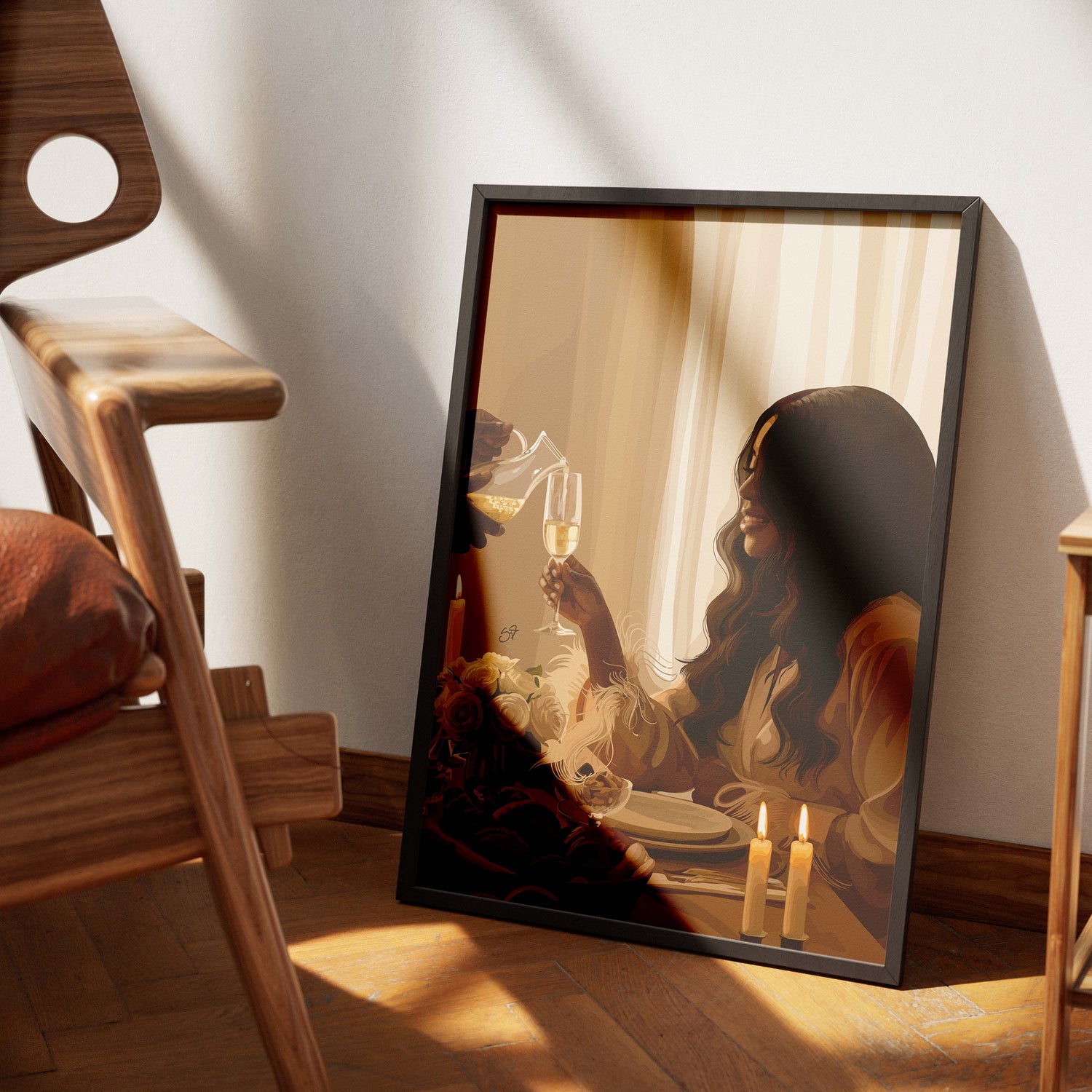
Interior design is more than aesthetics; it is about shaping the environment to influence how people feel and interact. Every element in a home, from color choices to furniture placement, plays a role in creating mood and emotion. Wall art, however, is uniquely powerful because it can visually communicate ideas, evoke feelings, and transform the energy of a space.
The right artwork can make a room feel calm, vibrant, inspiring, or cozy. Conversely, poorly chosen or mismatched artwork can disrupt harmony and create visual tension. Understanding how wall art influences mood is essential for creating a home that supports both well-being and style.
The Psychological Power of Color
Color is one of the most immediate ways that wall art affects mood. Humans respond instinctively to color, which can influence emotions and behavior.
-
Blue: Promotes calmness and relaxation; ideal for bedrooms or meditation spaces.
-
Green: Symbolizes balance and growth; works well in offices or living areas.
-
Red: Energizes and stimulates conversation; often used in dining rooms or creative spaces.
-
Yellow: Encourages positivity and optimism; ideal for kitchens or sunlit rooms.
-
Neutral tones: Create a sense of peace and simplicity, pairing well with other colors.
Choosing wall art that complements or strategically contrasts the room’s color scheme can dramatically impact the atmosphere.
Influencing Emotions Through Imagery
The content of wall art is equally important as color. Different types of imagery elicit specific emotional responses.
-
Nature landscapes: Promote relaxation, peace, and clarity.
-
Abstract designs: Stimulate creativity, curiosity, and energy.
-
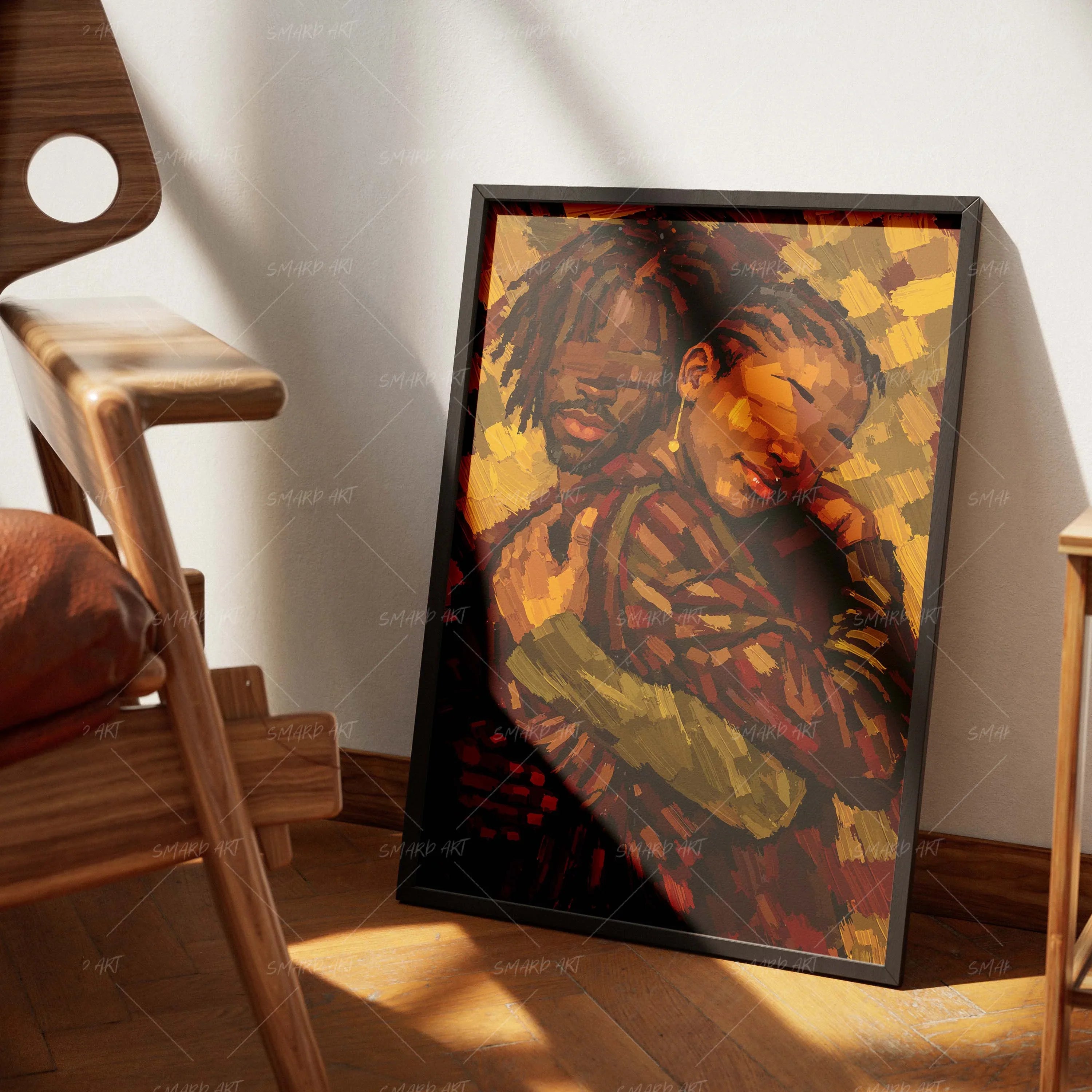
Portraits or figurative art: Foster empathy, connection, and reflection.
-
Inspirational quotes or typography: Motivate, encourage focus, and reinforce personal values.
Selecting artwork that resonates emotionally ensures that your home feels supportive and meaningful.
Creating Focus and Balance
Artwork can guide the flow of a room and create visual balance. A strategically placed piece anchors furniture, divides large spaces, and draws attention to focal areas.
For example, a bold artwork above a sofa can unify the seating area. Similarly, a gallery wall in a hallway can transform an otherwise underused space into a visually engaging path.
Visual balance not only improves aesthetics but also contributes to a sense of psychological harmony in the home.

Supporting Daily Well-Being
Daily exposure to inspiring or calming artwork can influence mood over time. Walking into a living room filled with vibrant, positive art can elevate energy levels. Seeing soothing landscapes in a bedroom can improve relaxation and sleep quality.
This repeated interaction with visual stimuli makes art a subtle but continuous source of emotional influence.
In this way, wall art is more than decoration—it is an active participant in daily well-being.
Personal Identity and Emotional Connection
Homes should reflect the personality and values of the people who live in them. Artwork is one of the most expressive ways to communicate identity.
Cultural pieces, meaningful photographs, or abstract works chosen for personal significance create emotional depth in a home. When a room contains art that resonates with identity, it fosters a sense of belonging and comfort.
Emotional connection with artwork is one reason why personalized or culturally significant pieces are highly valued.
How Placement Affects Perception
Where artwork is placed also influences emotional impact. Large pieces at eye level create immediacy and focus, while smaller pieces placed strategically can create a calming rhythm.
Lighting further enhances perception. Natural light highlights details, while soft directional lighting can make a room feel warm and inviting.
By considering placement and lighting, homeowners can maximize the emotional effect of their artwork.
Choosing Art That Matches Purpose
Different rooms serve different functions, and wall art should align with each space’s purpose.
- Bedrooms: Calming and restorative artwork.
- Living rooms: Inviting, energizing, or expressive pieces.
- Home offices: Motivational or creativity-stimulating artwork.
- Dining rooms: Conversation-starting or vibrant pieces.
Selecting art based on room function ensures the mood supports the activities performed there.
Final Thoughts
Wall art is far more than a decorative element. Its influence extends into the emotional and psychological experience of a home. By carefully selecting pieces based on color, imagery, placement, and purpose, homeowners can create spaces that promote positivity, relaxation, creativity, and connection.
Thoughtfully curated artwork transforms walls into emotional anchors, making homes more harmonious, inspiring, and reflective of the people who inhabit them.


Leave a comment
This site is protected by hCaptcha and the hCaptcha Privacy Policy and Terms of Service apply.