


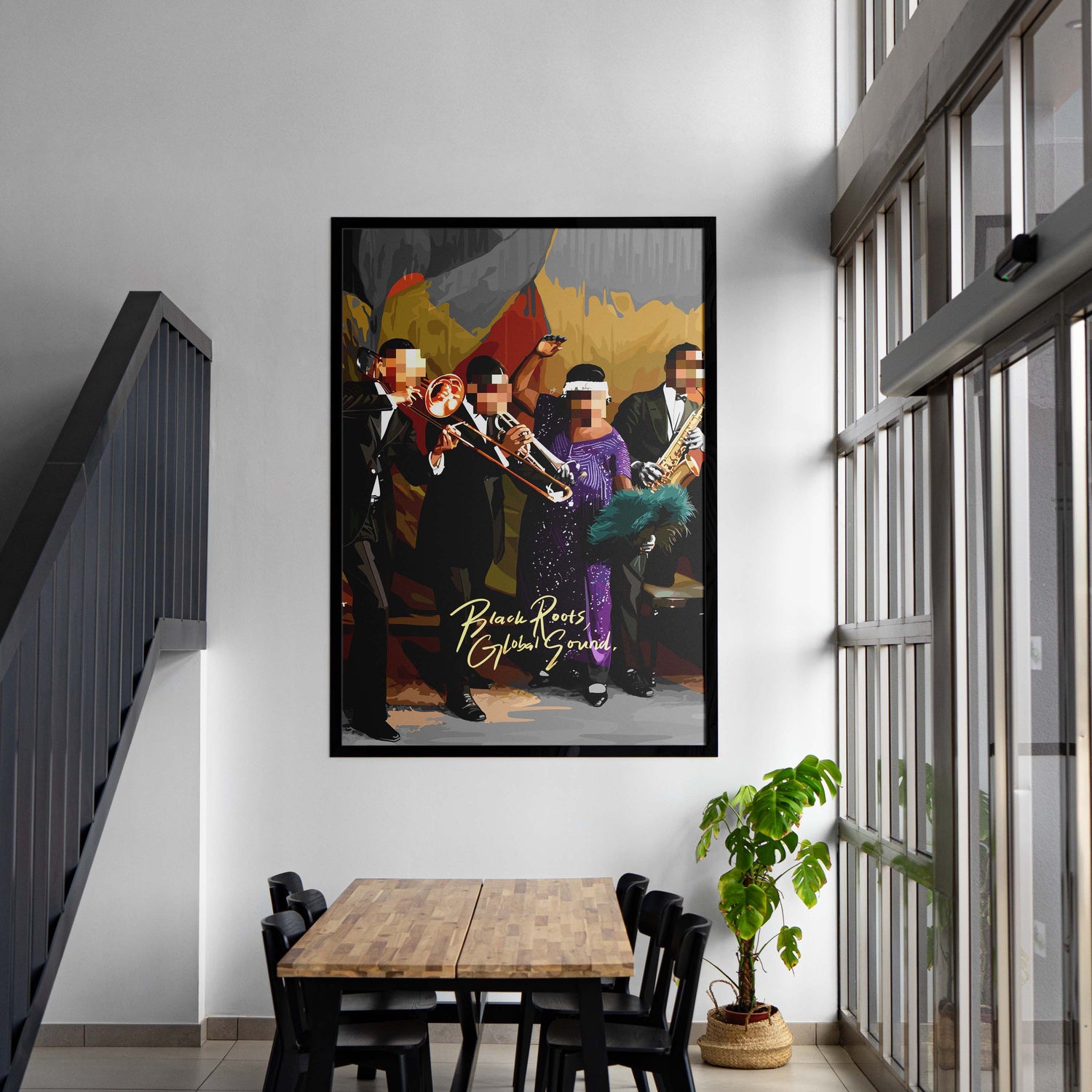
Minimalist design is often misunderstood as cold, neutral, or culture-free. Clean lines, muted tones, and uncluttered spaces can sometimes feel disconnected from identity. But this is exactly why Black History Month art belongs in minimalist homes — not as contrast, but as completion.
Minimalism is not about emptiness. It is about intention. And nothing adds intention to a space more powerfully than meaningful cultural art.
Minimalism and Meaning Are Not Opposites
True minimalism focuses on what matters most.
It removes excess so that chosen elements carry weight. When Black wall art is placed in a minimalist home, it doesn’t compete for attention — it commands it.
A single portrait, symbol, or quote becomes the emotional anchor of the room.
Instead of visual noise, you get visual purpose.
Cultural Art Adds Depth Without Clutter
Minimalist interiors rely on restraint. That restraint makes cultural art more impactful.
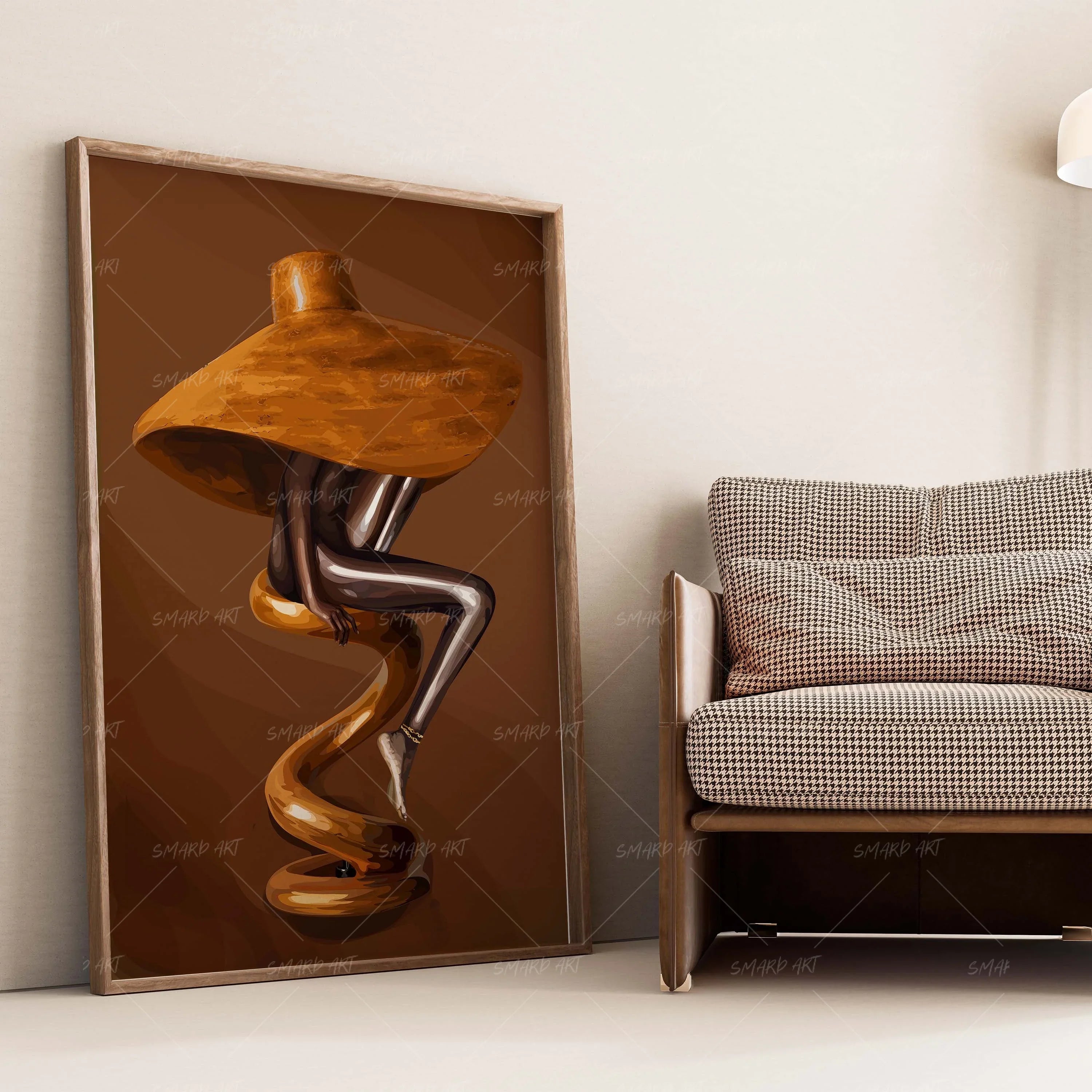
A single African-inspired symbol on a white wall
A black-and-gold typographic quote above a neutral sofa
A monochrome cultural portrait in a clean frame
These pieces don’t overcrowd the space — they define it.
Black History Month art works especially well in minimalist homes because:
- It is rich in meaning
- It does not require excess decoration
- It stands strong on its own
Why Representation Matters More in Quiet Spaces
In loud, busy rooms, art blends in.
In minimalist spaces, art speaks.
When a home is calm and uncluttered, whatever remains becomes psychologically important. A single piece of African American wall art in a minimalist room communicates:
- Identity
- Values
- Awareness
- Pride
It becomes a statement of who you are, not just what you like.
Neutral Palettes Elevate Cultural Symbolism
Minimalist homes often use whites, creams, beiges, grays, and blacks. These palettes elevate cultural art rather than dilute it.
Symbolic imagery — such as African patterns, abstract Afrocentric forms, or empowerment-focused typography — becomes more legible against neutral backgrounds.
Instead of overwhelming color, the viewer focuses on:
- Shape
- Meaning
- Message
This makes Black History Month art feel timeless, not themed.

Minimalist Homes Need Emotional Anchors
One critique of minimalist design is that it can feel impersonal.
Cultural art solves that problem.
Black wall art introduces:
- Emotional warmth
- Historical grounding
- Narrative presence
It transforms a beautiful space into a meaningful one.
A minimalist home without cultural context can feel like a showroom. Add intentional Black History art, and it becomes a lived-in story.
Making Black History Art Feel Permanent
The key to avoiding “seasonal decor” in minimalist homes is integration.
Instead of rotating art in and out for February, choose pieces that align with your year-round aesthetic:
- Black-and-white portraits
- Subtle symbolic illustrations
- Elegant typography
- Earth-tone abstract designs
When the art matches the home’s design language, it stays up — not because it’s political or trendy, but because it belongs.
Less Art, More Impact
Minimalism teaches us that fewer items can have greater power.
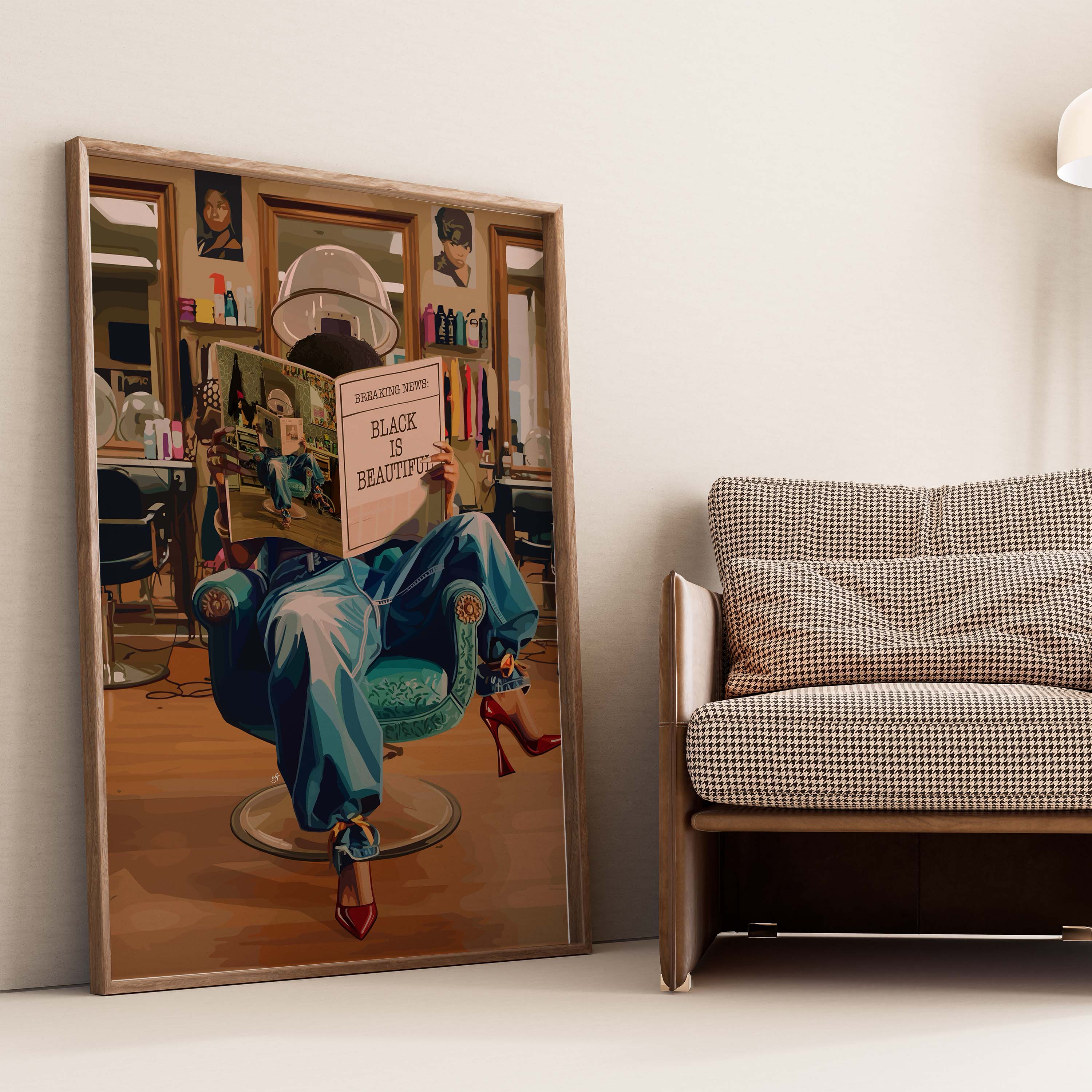
One carefully chosen Black wall art piece can do more than ten generic prints.
It can:
- Start conversations
- Educate without instruction
- Reinforce identity daily
- Signal intentional values
That is the essence of minimalist design — and cultural preservation.
Why This Matters Beyond February
Black History Month draws attention, but minimalist homes thrive on continuity.
Keeping cultural art visible year-round communicates something subtle but powerful:
This history is not an event.
It is part of life.
When representation is permanent, it becomes normalized — and normalization is the foundation of inclusion.
Final Reflection
Minimalist homes are not empty spaces.
They are curated environments.
When Black History Month art is placed intentionally in minimalist interiors, it does not disrupt the aesthetic — it completes it.
Culture doesn’t clutter.
Meaning doesn’t overwhelm.
Identity doesn’t expire.
In minimalist homes, Black wall art doesn’t whisper.
It resonates.

Leave a comment
This site is protected by hCaptcha and the hCaptcha Privacy Policy and Terms of Service apply.