


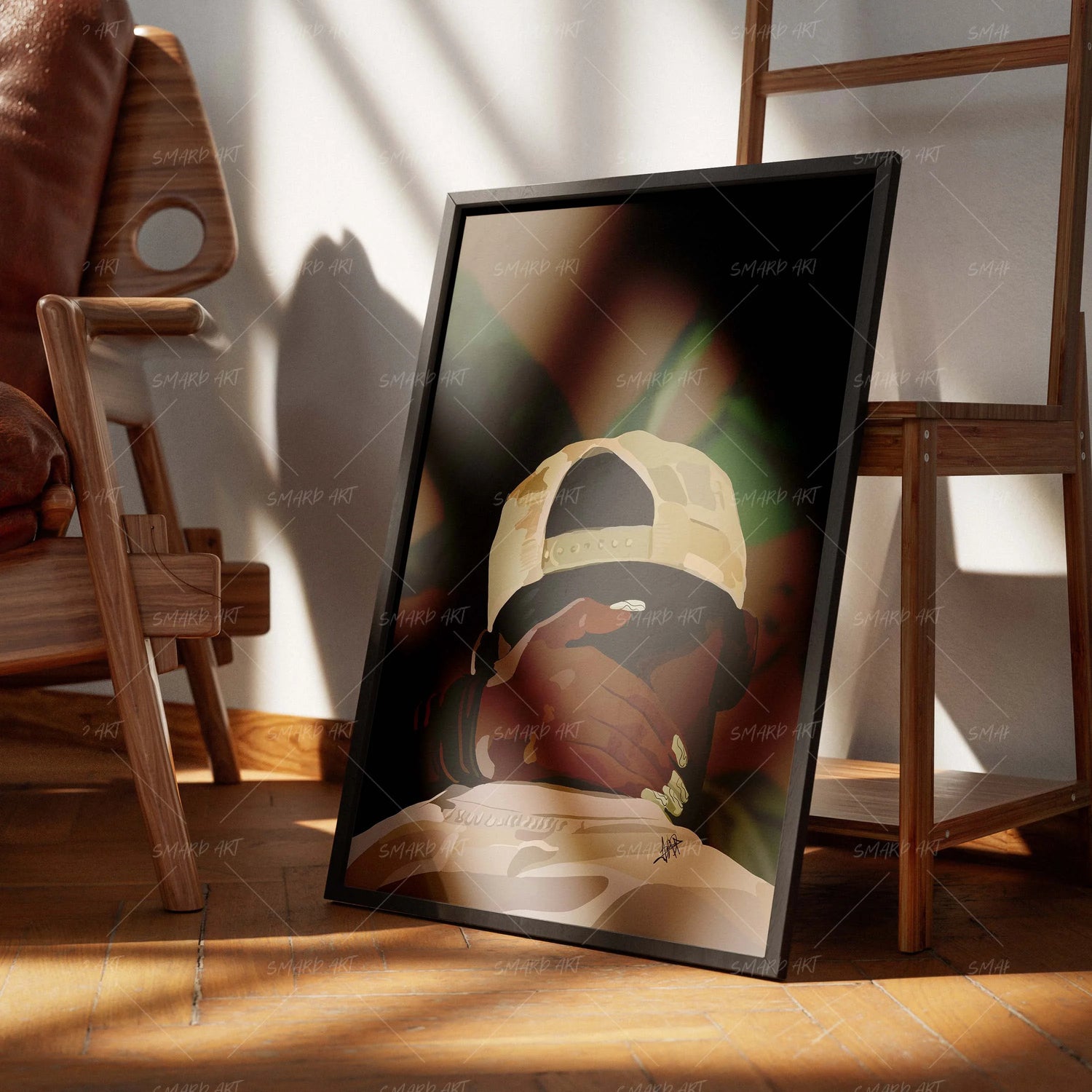
The placement of wall art can be just as important as the artwork itself. Even a stunning piece can lose its effect if it is not positioned correctly. On the other hand, the right placement can turn a simple piece into a powerful focal point that transforms an entire room.
One of the most important principles of art placement is visibility. Artwork should be placed where it can be easily seen and appreciated. This usually means positioning it at eye level, which creates a natural and comfortable viewing experience. When art is placed too high or too low, it can feel disconnected from the rest of the space.
Living rooms are one of the most common places for wall art, and they offer several opportunities for impactful placement. The area above the sofa is often considered the ideal location because it naturally draws attention. When artwork is placed here, it helps anchor the seating area and creates a sense of structure within the room.
Bedrooms also benefit from thoughtful art placement. The wall above the bed is a popular choice, as it serves as a visual centerpiece. In this setting, the artwork should feel calming and balanced, contributing to a relaxing environment rather than overwhelming it.
Hallways and entryways are often overlooked, but they provide excellent opportunities to display art. These transitional spaces can feel empty without decoration, and well-placed artwork can add personality and interest. A series of pieces along a hallway can guide movement through the space, creating a subtle visual journey.
Dining areas are another place where art can make a strong impact. Because these spaces are often used for gatherings, artwork can enhance the overall atmosphere. Whether it is a single large piece or a carefully arranged set, art in a dining area helps create a more inviting and engaging environment.
Scale and proportion are essential when deciding where to place art. A small piece on a large wall may feel lost, while an oversized piece in a tight space may feel overwhelming. The goal is to create balance so that the artwork complements its surroundings rather than competing with them.

Lighting also plays a significant role in art placement. Natural light can highlight the colors and details of a piece, making it more vibrant and engaging. In the evening, artificial lighting can be used to draw attention to specific artworks and create a dramatic effect.
Another important consideration is how the artwork interacts with other elements in the room. It should feel connected to the furniture, colors, and overall design. When art is placed in isolation without considering its surroundings, it can feel out of place.
Creating focal points is one of the most effective ways to use wall art. A focal point is the area that immediately draws attention when someone enters a room. Placing artwork in these key areas ensures that it has the greatest impact.
It is also important to avoid overcrowding. Too many pieces in one area can create visual clutter and reduce the impact of each individual artwork. Sometimes, giving a single piece enough space allows it to stand out more effectively than a crowded arrangement.
Experimentation can be helpful when deciding on placement. Trying different positions before finalizing the arrangement allows you to see what works best in the space. Small adjustments can make a big difference in how the artwork is perceived.
Ultimately, the goal of art placement is to create a sense of balance and intention. When artwork is positioned thoughtfully, it enhances the entire room and brings the design together.
Wall art has the power to transform spaces, but only when it is given the right position. By focusing on placement, visibility, and balance, it becomes possible to create interiors that feel both visually striking and harmonious.

Leave a comment
This site is protected by hCaptcha and the hCaptcha Privacy Policy and Terms of Service apply.