


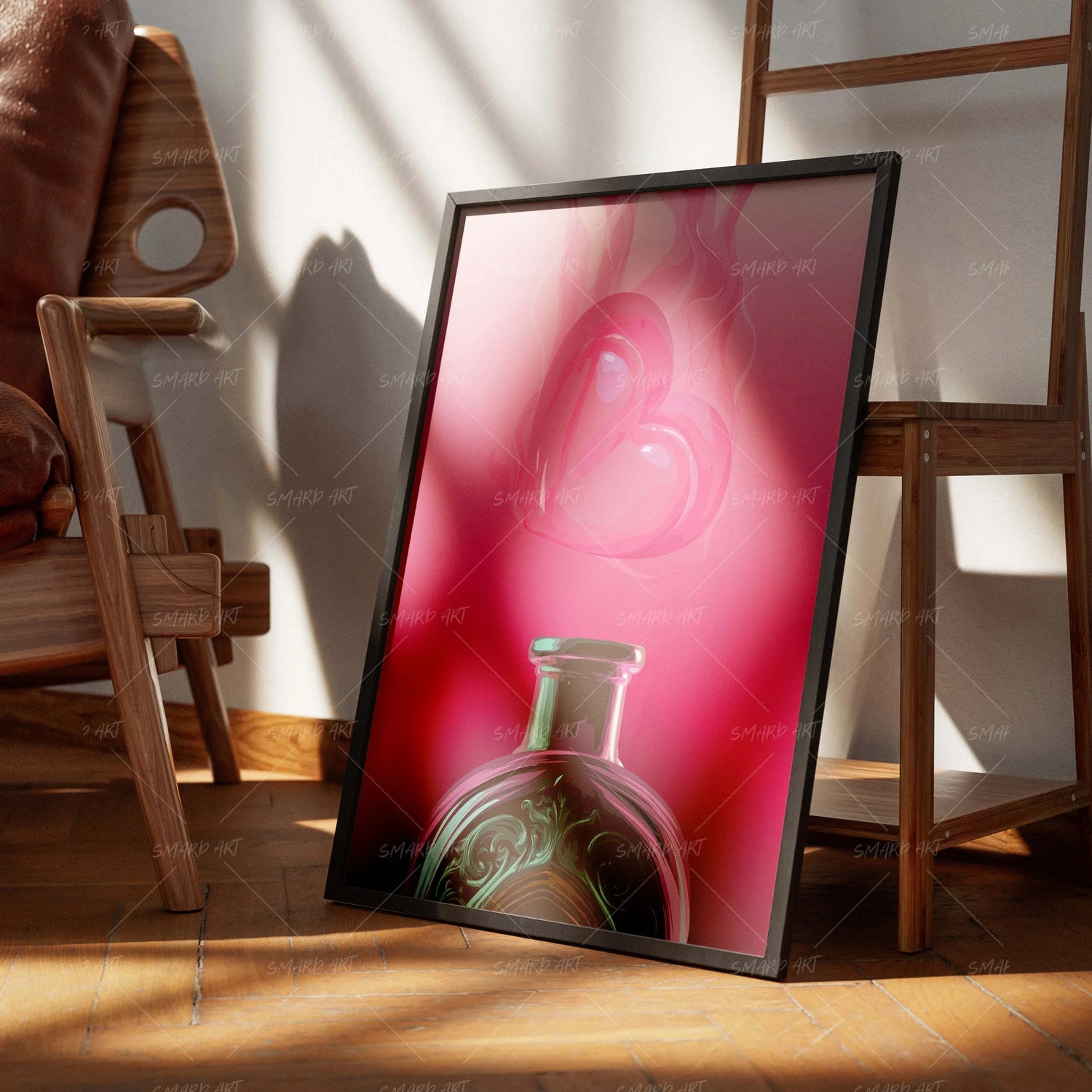
Choosing the right wall art is not just about style or color—it is also about size. Even the most beautiful artwork can feel out of place if it is too small or too large for the wall it occupies. Understanding how to choose the correct size is one of the most important steps in creating a balanced and visually appealing space.
Many people make the mistake of selecting artwork based solely on what they like, without considering how it will fit into their home. The result is often a piece that feels disconnected from the room. Getting the size right, however, creates harmony and allows the artwork to feel like a natural part of the space.
One of the most effective ways to determine the right size is by considering the wall itself. A large empty wall can handle bold, oversized artwork that commands attention. In fact, larger pieces often make a room feel more complete because they reduce the amount of empty space. On the other hand, smaller walls or narrow areas require more compact artwork to maintain balance.
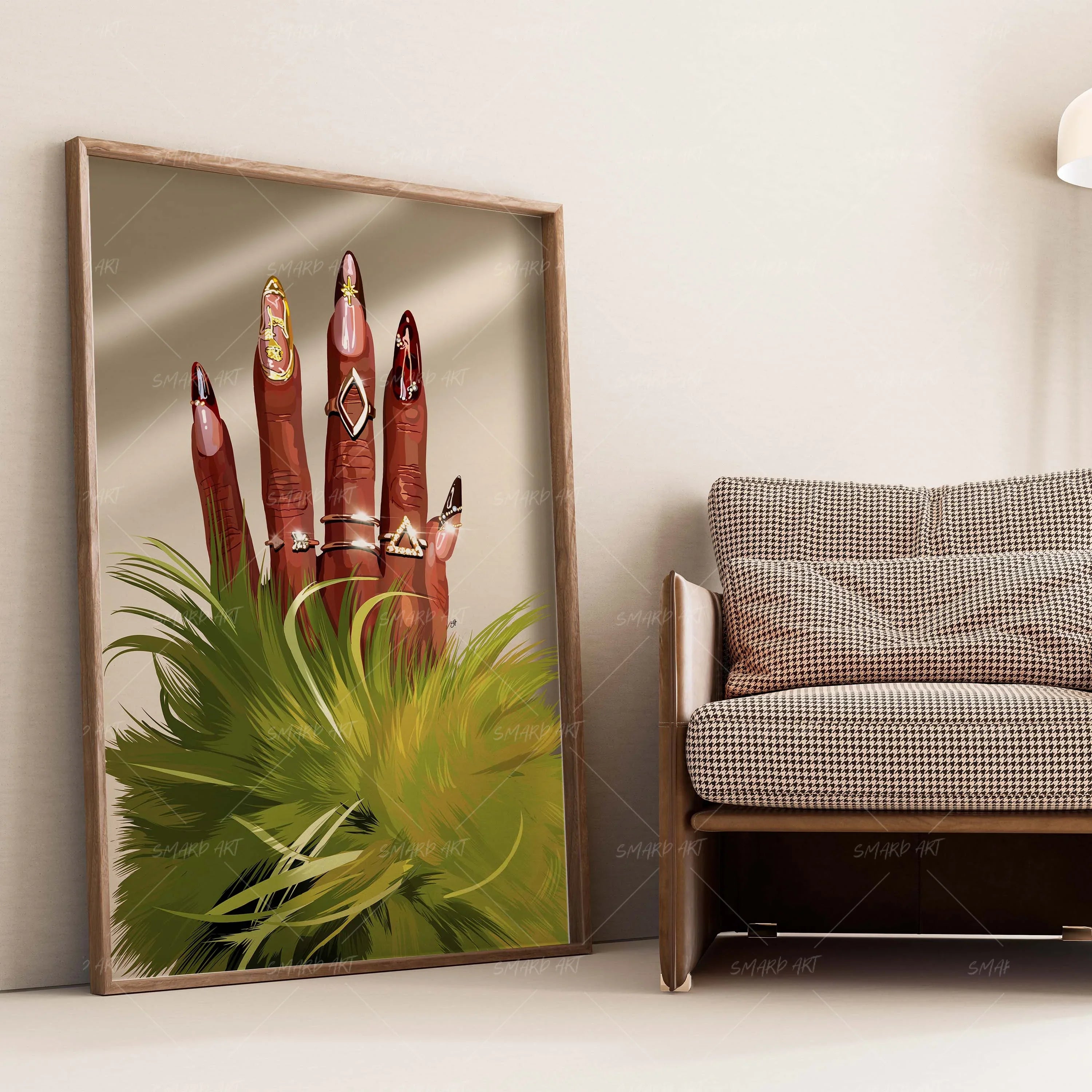
Furniture also plays a key role in choosing the right size. When placing art above a sofa, bed, or console table, the artwork should relate to the width of the furniture. A good rule is that the art should take up a significant portion of the space above it, without extending too far beyond the edges. This creates a sense of alignment and cohesion within the room.
Another important factor is visual weight. Larger pieces naturally draw more attention, while smaller pieces tend to feel subtle. If the goal is to create a focal point, larger artwork is usually the better choice. A bold piece placed in the right location can define the entire room and guide the eye.
For those who prefer smaller pieces, grouping them together can create the same impact as a large artwork. This approach, often seen in gallery walls, allows multiple artworks to work together as a single visual unit. When arranged thoughtfully, a collection of smaller pieces can fill a space just as effectively as one large piece.

Ceiling height is another detail that should not be overlooked. Rooms with higher ceilings can accommodate taller or vertically oriented artwork, which helps draw the eye upward and emphasizes the height of the space. In contrast, lower ceilings often benefit from wider, horizontal pieces that create a sense of openness.
Spacing around the artwork is equally important. Leaving some empty space around a piece helps it stand out and prevents the wall from feeling overcrowded. When artwork is too tightly packed, it can lose its impact and make the space feel cluttered.
It is also helpful to visualize the artwork before committing to it. Some people use paper cutouts or tape to outline the size of the piece on the wall. This simple technique provides a clear sense of how the artwork will look once it is installed and helps avoid sizing mistakes.
The purpose of the room should also influence the size of the artwork. In living rooms and dining areas, larger pieces often work well because these are social spaces where visual impact matters. In bedrooms, softer and more proportionate artwork can create a more relaxing atmosphere.
Ultimately, choosing the right size wall art comes down to balance. The artwork should feel connected to the wall, the furniture, and the overall design of the room. When the proportions are right, the space feels intentional and complete.
Wall art is one of the easiest ways to transform a room, but only when it is chosen thoughtfully. By paying attention to size, placement, and proportion, it becomes possible to create a space that feels both stylish and harmonious.

Leave a comment
This site is protected by hCaptcha and the hCaptcha Privacy Policy and Terms of Service apply.