


The living room is often the heart of the home. It is where people gather, relax, and spend time with family and guests. Because of this, the way it is designed matters more than most other spaces. Wall art plays a major role in shaping how a living room feels, and the right choice can completely transform the atmosphere.
When people walk into a living room, their eyes are naturally drawn to the walls. This is why wall art becomes one of the most powerful design elements in the space. It has the ability to set the tone, create a focal point, and reflect personal style all at once.
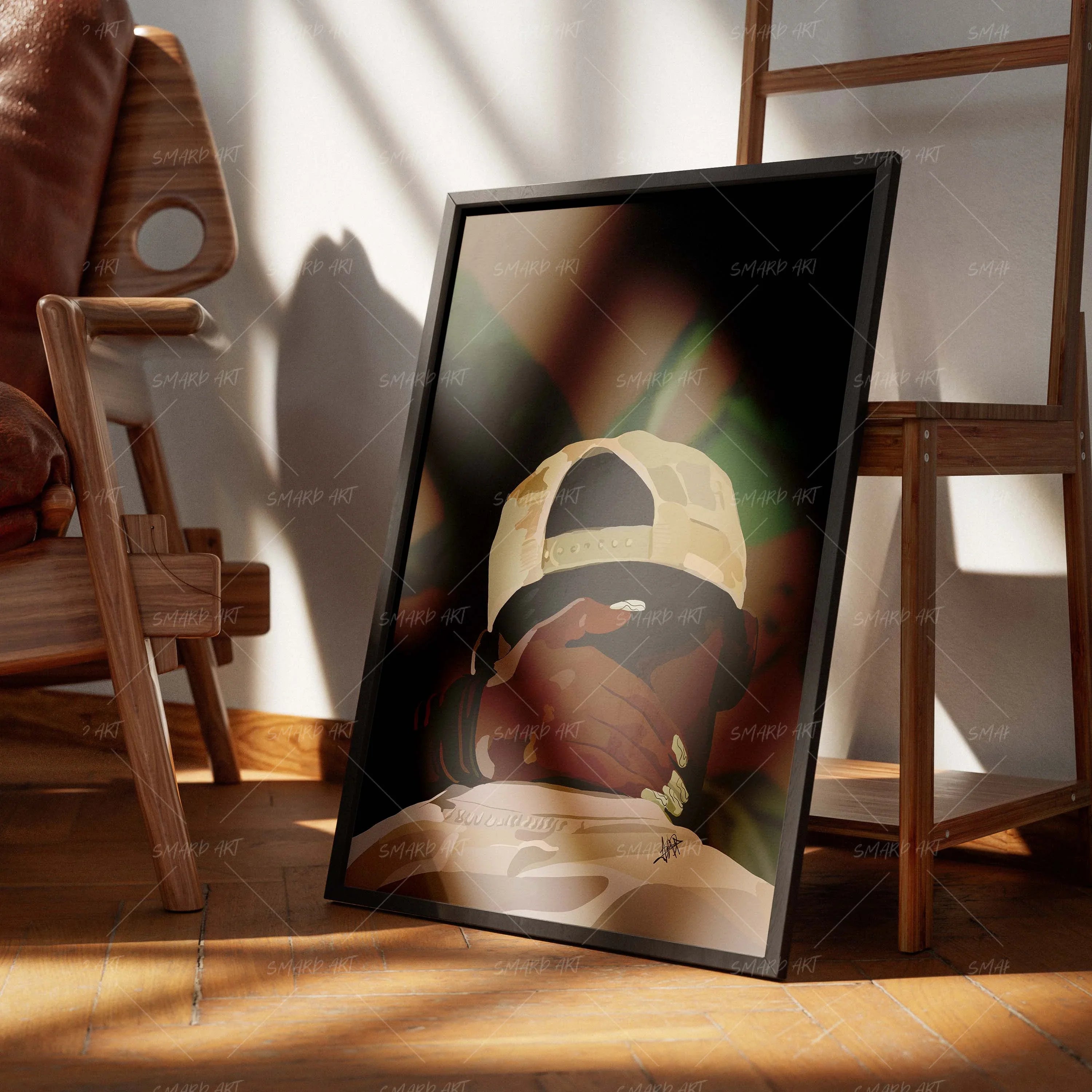
One of the most effective approaches to decorating a living room is using a large statement piece. A single, bold artwork placed above the sofa can anchor the entire space. It immediately captures attention and gives the room a sense of structure. Instead of filling the area with multiple smaller pieces, one large artwork can create a cleaner and more modern look.
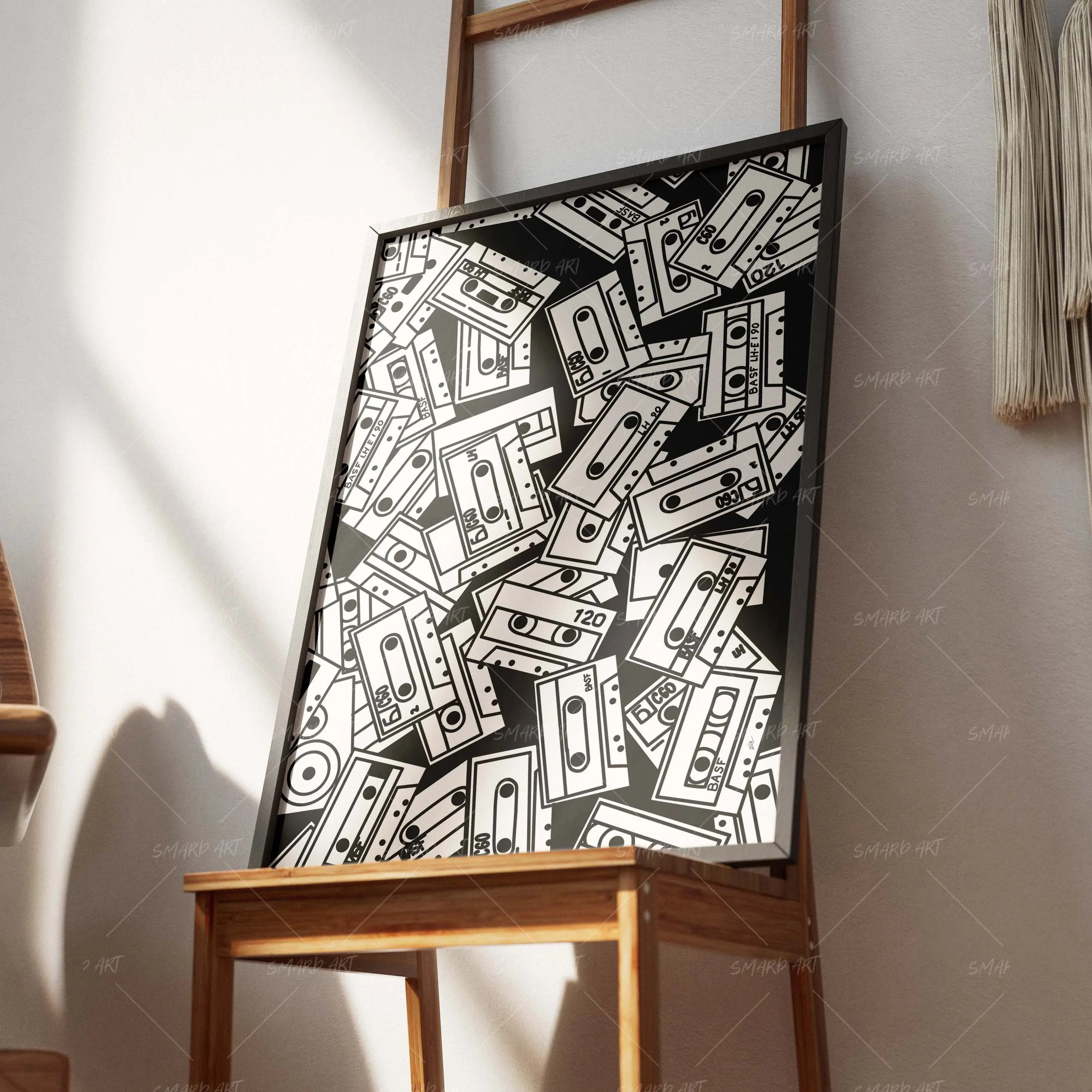
For those who prefer variety, a gallery wall can be a great alternative. This involves arranging multiple artworks in a cohesive layout. The key to making a gallery wall work is consistency. Whether it is through color, frame style, or theme, there should be a unifying element that ties everything together. When done well, a gallery wall can feel dynamic and expressive without becoming chaotic.
Color is another important factor when choosing wall art for a living room. The artwork should either complement the existing color palette or introduce a contrast that enhances it. For example, a neutral room can benefit from a piece with bold colors, while a colorful space may require more subtle artwork to maintain balance.
The theme of the artwork also matters. Some people prefer abstract designs that focus on shapes and colors, while others are drawn to cultural, historical, or nature-inspired pieces. The choice should reflect the personality of the homeowner and the overall mood they want to create in the space.
Texture is often overlooked, but it can make a significant difference. Artwork that incorporates texture, whether through brushstrokes, layered materials, or mixed media, adds depth to the room. This can make the space feel more engaging and less flat.

Placement plays a critical role in maximizing the impact of wall art. The most common position is above the sofa, but this is not the only option. Art can also be placed on adjacent walls to create balance or used to highlight specific areas within the room. The goal is to ensure that the artwork feels connected to the layout rather than randomly placed.
Lighting can further enhance the effect of wall art. Natural light during the day can bring out colors and details, while carefully positioned lighting in the evening can create a more dramatic and focused look. When art is well-lit, it becomes even more of a focal point.
Another important aspect is scale. The size of the artwork should match the proportions of the room. A small piece on a large wall may feel lost, while an oversized piece in a small room may feel overwhelming. Finding the right balance ensures that the artwork complements the space rather than competing with it.
Wall art also provides an opportunity to tell a story. Whether it is through a single meaningful piece or a collection of works, art can reflect experiences, values, and identity. This adds a personal touch that makes the living room feel more authentic and inviting.
Ultimately, the best wall art for a living room is artwork that feels intentional. It should not only look good but also enhance the overall design of the space. When chosen thoughtfully, wall art becomes more than decoration—it becomes a defining feature of the home.
A well-designed living room is one that feels both comfortable and visually engaging. With the right wall art, it is possible to achieve both, creating a space that people enjoy spending time in and remember long after they leave.

Leave a comment
This site is protected by hCaptcha and the hCaptcha Privacy Policy and Terms of Service apply.