


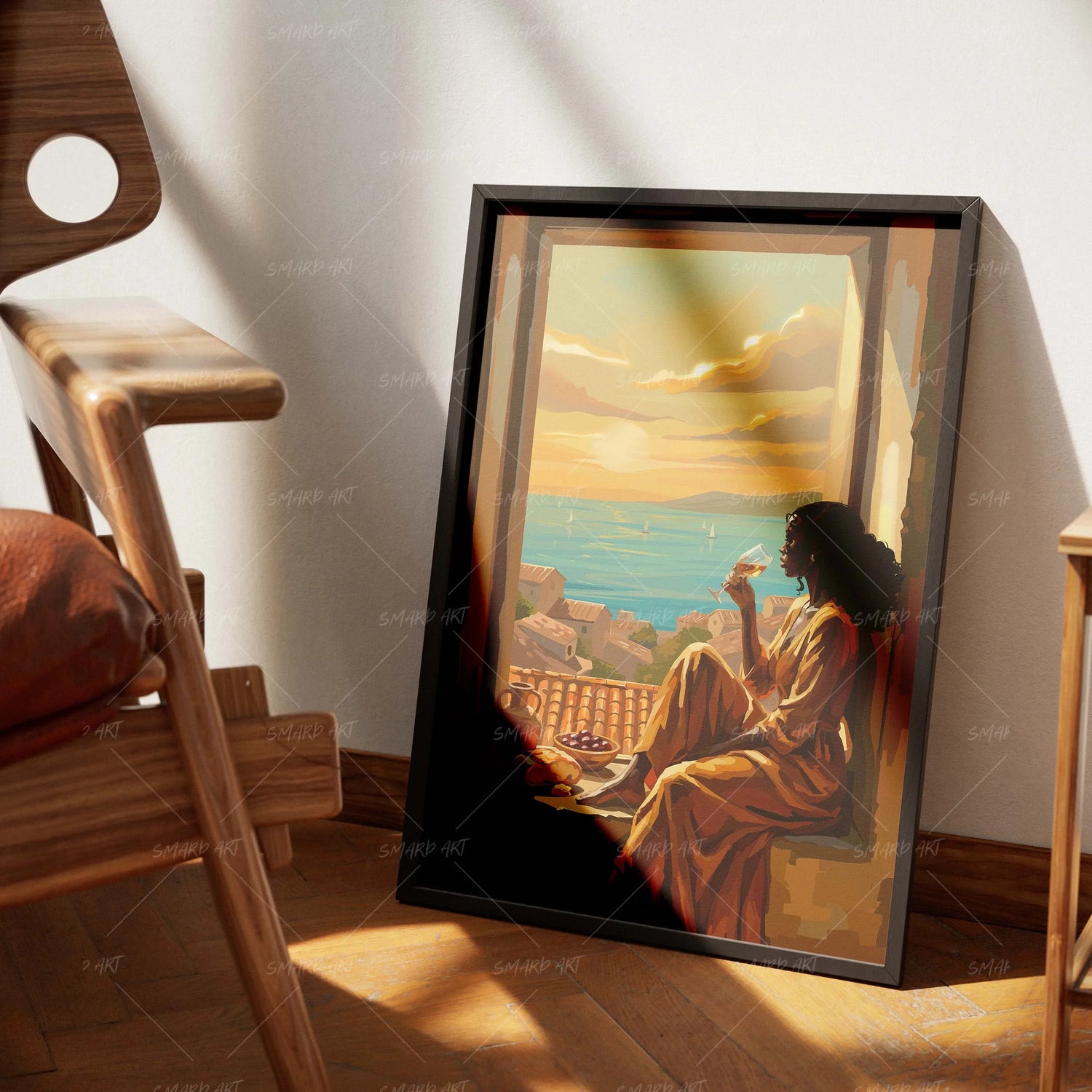
Interior design is not just about arranging furniture or selecting color palettes. It is also about creating environments that influence how people feel within a space. Every design choice, from lighting to texture, contributes to the psychological atmosphere of a room.
Wall art is one of the most powerful tools for shaping that atmosphere.
Artwork has the ability to evoke emotions, inspire creativity, and even influence behavior. The images and colors we see every day affect our mood in subtle but meaningful ways.
Understanding the psychology of wall art can help homeowners create spaces that are not only beautiful but also emotionally supportive.
How Visual Stimuli Affect Mood
Human beings are highly responsive to visual stimuli. Colors, shapes, and imagery can trigger emotional responses almost instantly.
For example, bright colors such as yellow and orange are often associated with energy and optimism. Cooler tones like blue and green tend to evoke calmness and relaxation.
When these colors appear in wall art, they contribute to the emotional tone of the room.
Artwork that features calming imagery may help create a peaceful bedroom environment, while vibrant art can energize a living room or creative workspace.
The Role of Art in Emotional Expression
Art often reflects emotion, and this emotional content can influence viewers.
A powerful portrait, an inspiring cultural image, or an expressive abstract painting can evoke feelings that shape the experience of a room.
When people surround themselves with art that resonates emotionally, they create environments that support their mental well-being.
This emotional connection is one reason artwork holds such a special place in interior design.
Creating a Sense of Identity
Wall art also contributes to personal identity within a space.
Homes that feature meaningful artwork feel more authentic and personalized. The pieces displayed often reflect the homeowner’s values, experiences, and cultural background.
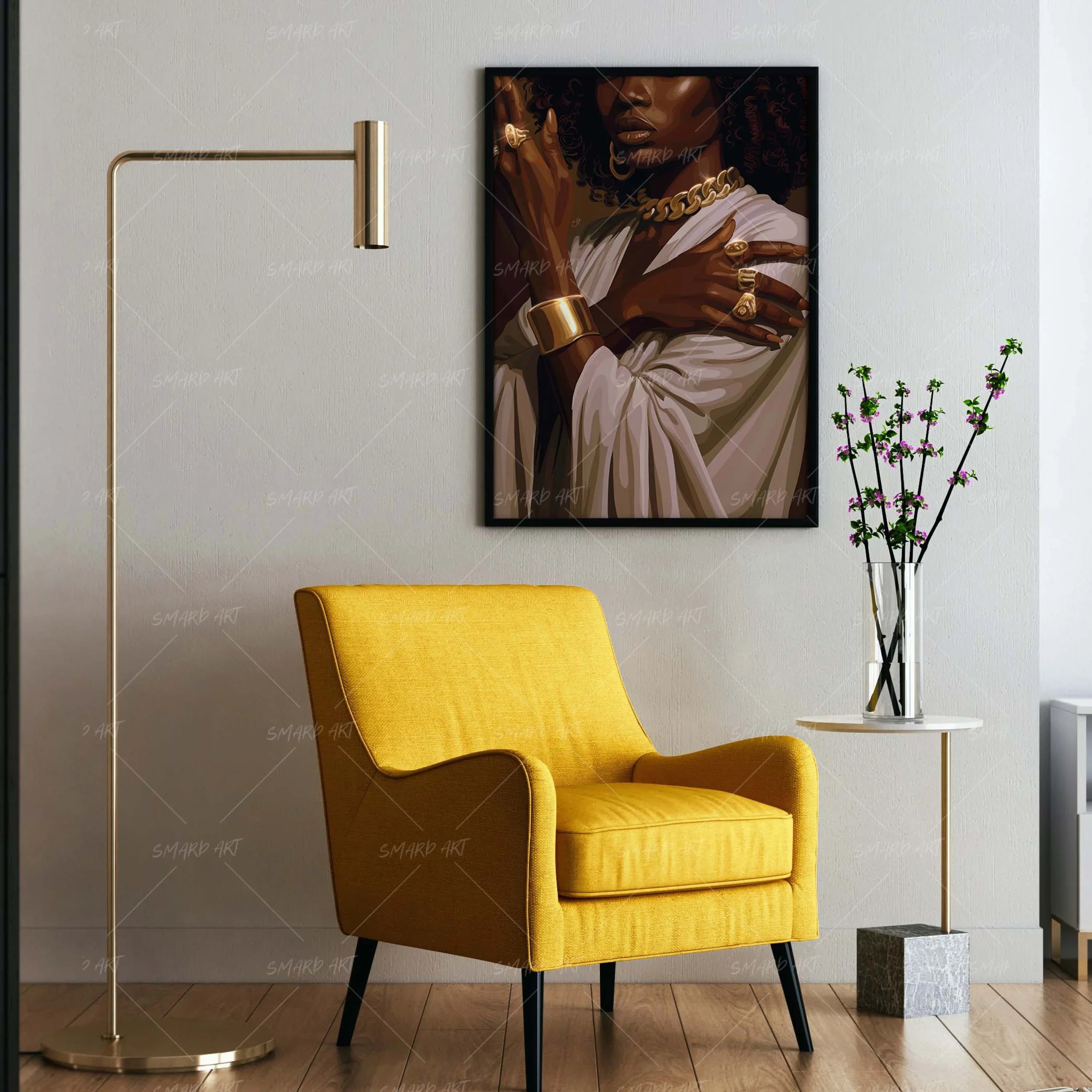
For example, artwork that celebrates cultural heritage may strengthen a sense of pride and belonging.
This connection between art and identity makes living spaces feel more personal and meaningful.

Encouraging Creativity and Inspiration
Certain types of artwork stimulate creativity and imagination.
Abstract designs, vibrant compositions, and expressive imagery can inspire new ideas and perspectives. This is why many artists, designers, and professionals choose visually stimulating artwork for their offices or studios.
Creative environments benefit from art that sparks curiosity and thought.
Even subtle artistic elements can encourage mental engagement.
Reducing Stress Through Visual Harmony
Calm environments are essential for relaxation and stress reduction. Artwork with soft colors, natural themes, or minimalist design can help create a peaceful atmosphere.
Nature-inspired art, such as landscapes or botanical imagery, is particularly effective in promoting relaxation.
These calming visuals allow the mind to unwind after busy or stressful days.
Bedrooms and quiet living areas often benefit from this type of art.
Strengthening Social Interaction
Wall art can also influence how people interact in social spaces.
Artwork that is visually striking or culturally meaningful often becomes a conversation starter. Guests naturally comment on interesting pieces, leading to discussions about art, history, or personal experiences.
In this way, wall art helps create social connections within a space.
A thoughtfully decorated room encourages engagement and dialogue.
The Power of Daily Visual Influence
Perhaps the most important psychological effect of wall art is repetition.
People see the artwork in their homes every day. Over time, these images become part of the environment that shapes thoughts, emotions, and perspectives.
Positive, inspiring artwork can reinforce motivation and confidence simply through daily exposure.
The images we surround ourselves with matter more than we often realize.
Final Thoughts
The psychology of wall art reveals that artwork is far more than decoration.
It influences mood, identity, creativity, and social interaction. By choosing art that aligns with personal values and emotional needs, homeowners can transform their living spaces into environments that support both beauty and well-being.
When art is chosen thoughtfully, it does more than fill a wall—it shapes the experience of the entire room.

Leave a comment
This site is protected by hCaptcha and the hCaptcha Privacy Policy and Terms of Service apply.