


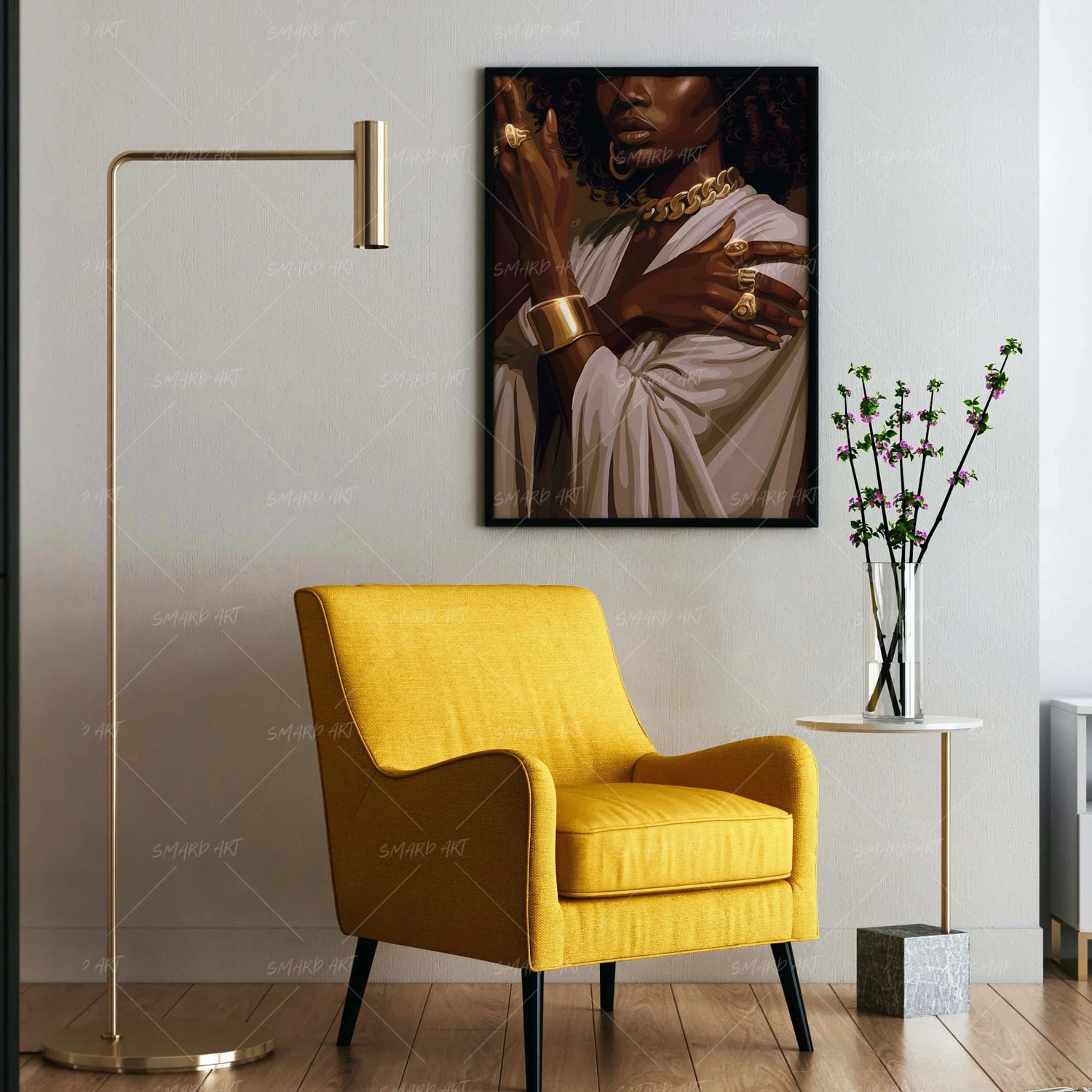
A gallery wall is one of the most creative ways to decorate a home. Instead of relying on a single artwork, a gallery wall combines multiple pieces to create a visual narrative. Each artwork contributes to a larger story, transforming a blank wall into a personal and meaningful display.
Gallery walls have become increasingly popular in interior design because they allow homeowners to mix styles, sizes, and themes while still maintaining a cohesive look. When done correctly, a gallery wall becomes a focal point that captures attention and expresses identity.
The key to creating a successful gallery wall is intention. Every piece should contribute to the overall story you want the wall to tell.
Start With a Clear Theme
Before hanging any artwork, it helps to think about the message or theme you want your gallery wall to communicate. Some gallery walls focus on family memories, while others highlight cultural heritage, travel experiences, or artistic styles.
Choosing a theme creates consistency across the display. For example, a cultural gallery wall might feature artwork that reflects history, identity, and heritage. A travel-themed gallery wall could include photography, maps, or souvenirs from different locations.
A clear theme helps guide your choices and ensures that the final display feels purposeful rather than random.
Mix Artwork Sizes for Visual Interest
One of the defining features of a gallery wall is variety. Using different sizes of artwork creates movement and visual rhythm across the wall.
Start with one or two larger pieces that will act as anchors for the arrangement. These pieces establish the structure of the gallery wall and help balance the composition.
Smaller artworks can then be placed around the larger ones to fill in the space. This layering effect creates depth and makes the wall feel dynamic rather than flat.
However, it is important not to overcrowd the display. Leaving some breathing room between pieces allows each artwork to stand out.
Maintain Consistent Spacing
Spacing plays a crucial role in creating a polished gallery wall. Even though the artwork may vary in size and style, consistent spacing helps unify the arrangement.
Interior designers typically recommend leaving two to three inches between frames. This small gap keeps the pieces visually connected without making the wall feel cluttered.
Consistency in spacing also helps the display look intentional rather than chaotic.
Choose Frames That Complement Each Other
Frames are often overlooked, but they can greatly influence the overall look of a gallery wall.
Some homeowners prefer matching frames for a clean and uniform appearance. Others enjoy mixing different frame styles to create a more eclectic and artistic effect.
Both approaches can work well, as long as there is some element of cohesion. For example, even if the frames vary in style, they might share a similar color palette such as black, gold, or natural wood.
Frames should enhance the artwork rather than compete with it.

Plan the Layout Before Hanging
One of the biggest mistakes people make when creating a gallery wall is hanging pieces without a clear plan. This can lead to uneven spacing or awkward arrangements that are difficult to fix later.
A helpful technique is to lay the artwork on the floor first and experiment with different layouts. Another option is to cut paper templates the size of each frame and tape them to the wall temporarily.
This allows you to visualize the arrangement before committing to nail holes.
Planning the layout ensures the final display feels balanced and harmonious.
Tell a Personal Story
The most memorable gallery walls are the ones that tell a story. Each piece should have meaning or significance to the person who created the display.
For some people, this might include family photographs or meaningful quotes. For others, it could involve artwork that represents cultural heritage or historical figures.
When visitors look at the gallery wall, they should feel as though they are learning something about the homeowner.
Personal storytelling is what makes gallery walls so powerful.
Balance Symmetry and Creativity
Gallery walls can follow many different layouts. Some people prefer symmetrical arrangements where the frames align neatly in rows and columns.
Others choose a more organic layout where pieces are arranged freely but still balanced visually.
Both approaches can be effective. The key is to maintain overall balance so that one side of the wall does not appear heavier than the other.
Step back periodically during the process to view the arrangement from a distance.
This perspective helps identify areas that may need adjustment.
Consider Lighting
Lighting can enhance the impact of a gallery wall. Natural light, wall-mounted picture lights, or nearby lamps can highlight the artwork and make the display more noticeable.
Proper lighting draws attention to the wall and enhances the colors and details within the artwork.
Even subtle lighting can elevate the entire presentation.
Final Thoughts
A gallery wall is more than a decoration—it is a visual story.
By combining meaningful artwork, thoughtful spacing, and balanced design, you can transform a blank wall into a display that reflects your personality and experiences.
Whether the focus is cultural heritage, artistic creativity, or personal memories, a well-designed gallery wall brings depth and character into a home.
When each piece contributes to the story, the wall becomes a living expression of identity.

Leave a comment
This site is protected by hCaptcha and the hCaptcha Privacy Policy and Terms of Service apply.