


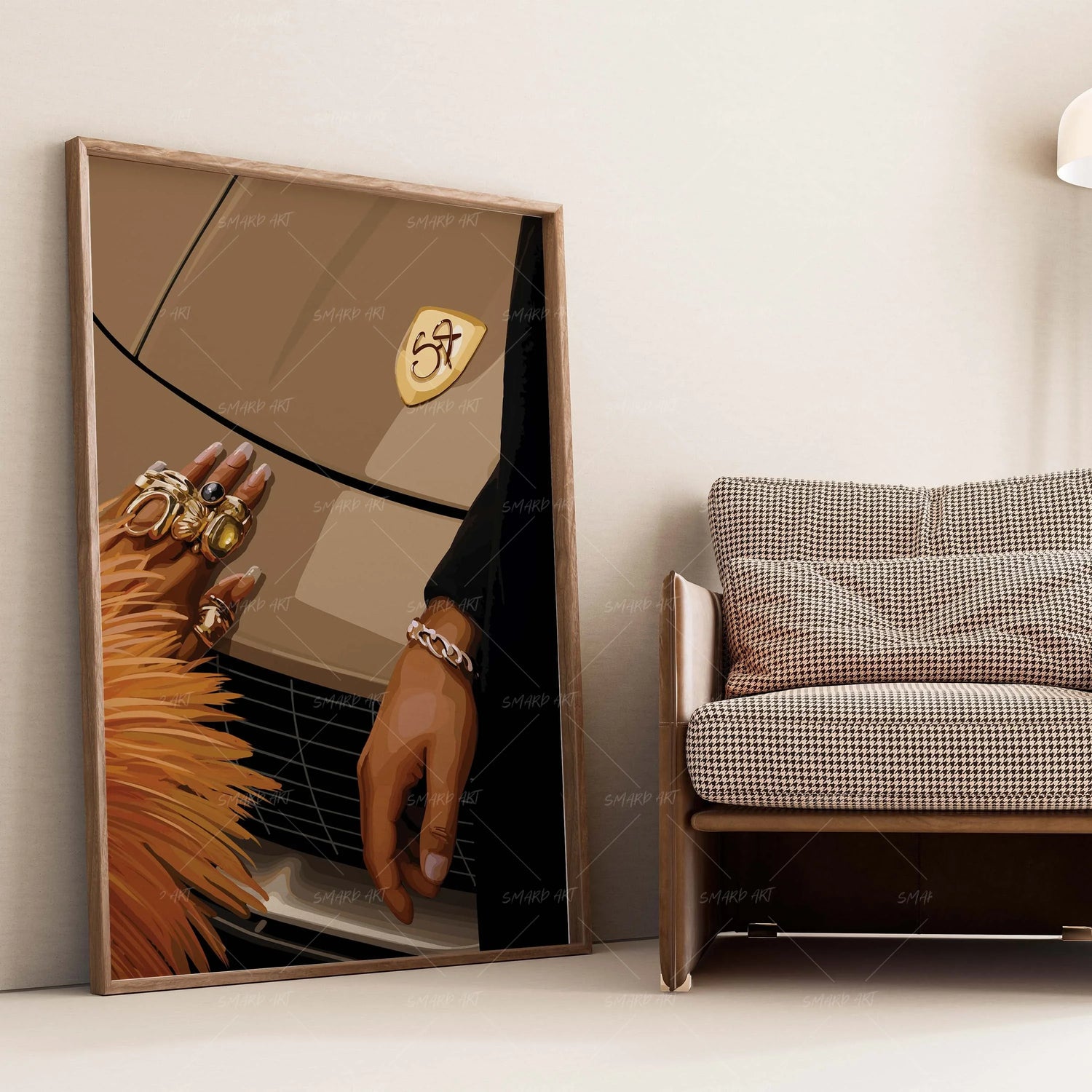
The living room is often the most used space in a home. It is where people relax, host guests, and spend time with family. Because of this, the design of the living room plays a major role in shaping the atmosphere of the entire home.
Wall art is one of the most effective ways to bring personality and style into this space. The right artwork can transform an ordinary room into a visually engaging environment that reflects personal taste and creativity.
However, choosing wall art for a living room can sometimes feel overwhelming because there are so many styles, sizes, and designs available. Understanding a few basic design principles can make the process much easier.
When chosen carefully, wall art becomes the focal point that ties the entire room together.
Start With the Size of Your Wall
One of the most important factors to consider when selecting wall art is size. Artwork that is too small can feel insignificant, while oversized pieces may overwhelm the space.
A useful design rule is that wall art should fill about 60 to 75 percent of the available wall space. This creates balance while ensuring the artwork feels proportionate to the room.
For example, if you are placing artwork above a sofa, the width of the art should generally be about two-thirds the width of the couch. This proportion helps the artwork feel connected to the furniture rather than floating awkwardly above it.
Large walls may benefit from oversized pieces or multi-panel artworks, while smaller walls may look better with a single medium-sized piece.
Choose a Style That Matches the Room
The style of your artwork should complement the overall design of the living room.
Modern living rooms often pair well with abstract art, minimalist prints, or bold graphic designs. Traditional interiors may look better with classic paintings, landscapes, or framed illustrations.
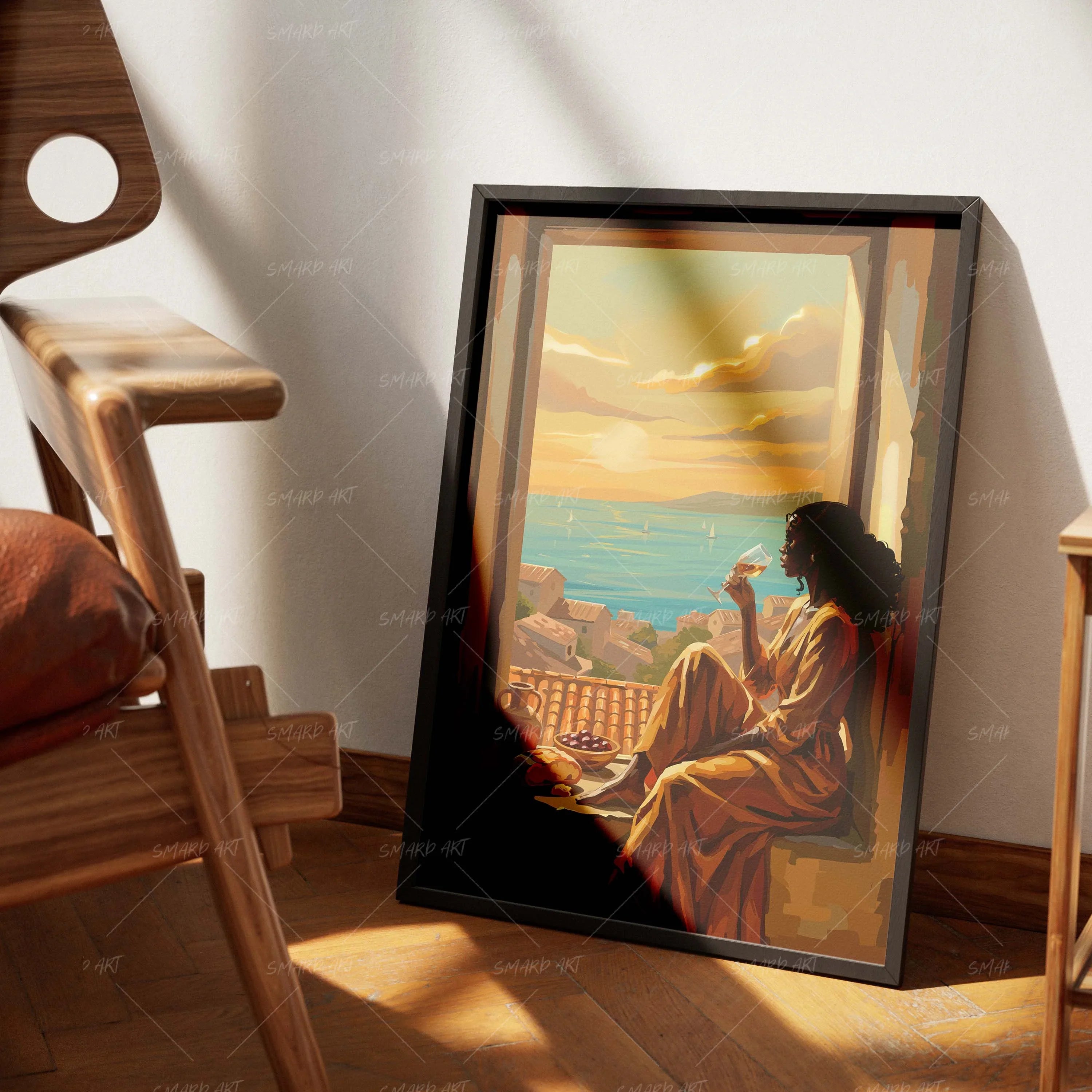
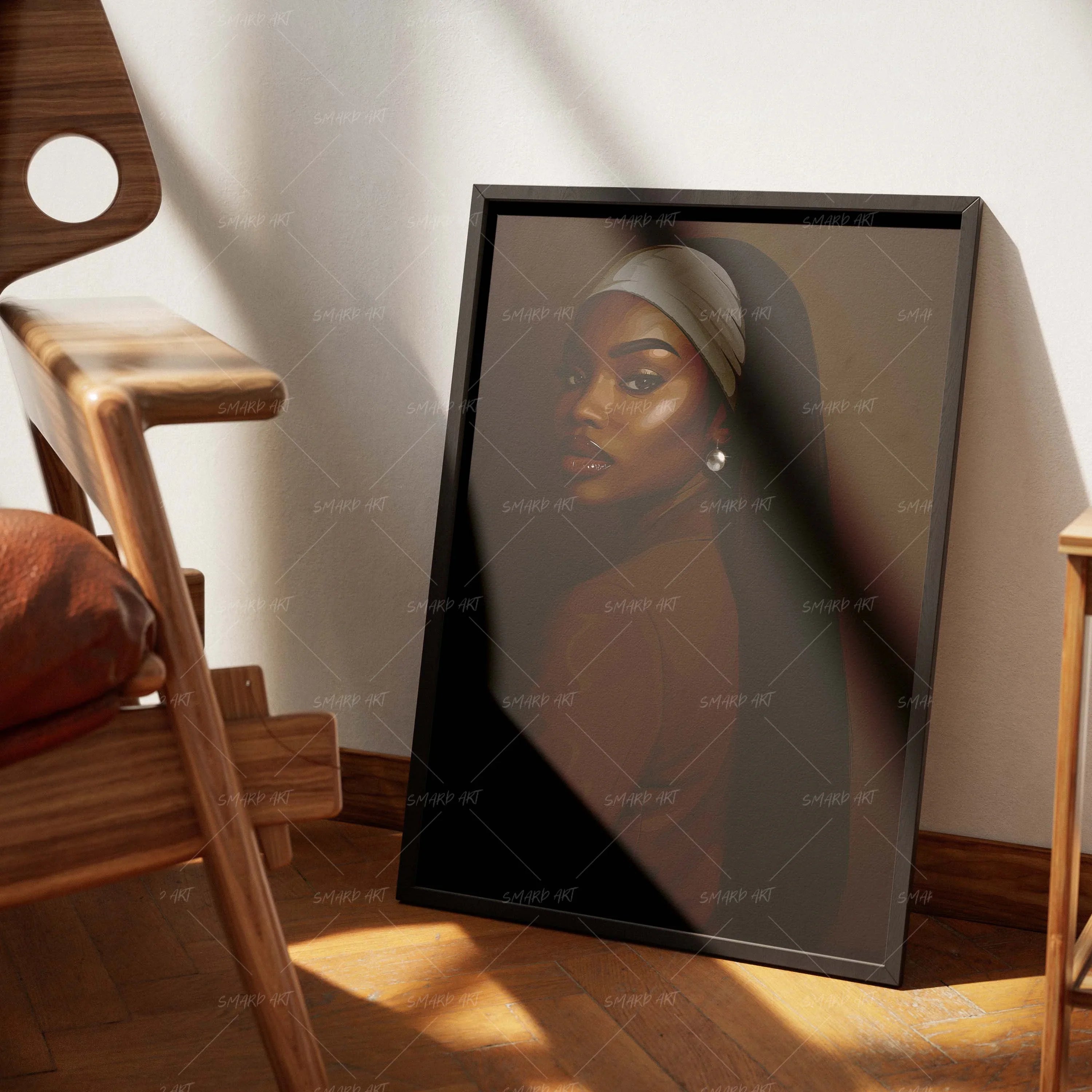
Cultural artwork can also add depth and meaning to a living space. Pieces that reflect heritage, history, or identity often become meaningful focal points that spark conversation.
When choosing art, consider how the colors, shapes, and themes interact with the furniture and décor already in the room.
Harmony between these elements creates a cohesive interior design.
Consider the Color Palette
Color is one of the most powerful elements in interior design. Wall art can either complement the existing color scheme or introduce new colors that add contrast and visual interest.
For example, if your living room features neutral tones such as beige, gray, or white, artwork with bold colors can create an exciting focal point.
On the other hand, if the room already contains strong colors, artwork with softer tones may help balance the overall look.
Many designers recommend choosing artwork that includes at least one color already present in the room. This subtle connection helps unify the space.

Decide Between One Large Piece or Multiple Pieces
Another decision homeowners often face is whether to choose a single large artwork or a collection of smaller pieces.
Large statement pieces are ideal for creating a dramatic focal point. They simplify the decorating process while delivering strong visual impact.
Alternatively, multiple artworks arranged as a gallery wall can create a more dynamic and personalized display. Gallery walls allow you to combine different styles, images, and sizes into one cohesive arrangement.
Both approaches can work beautifully depending on the size of the wall and the desired design effect.
Placement Matters
Proper placement ensures that wall art feels integrated into the room rather than randomly placed.
In most cases, artwork should be hung so that the center of the piece is approximately 57 to 60 inches from the floor. This height aligns with average eye level and helps the artwork feel naturally positioned.
When hanging art above furniture, such as a sofa or console table, the bottom of the artwork should typically sit 6 to 8 inches above the furniture.
This spacing keeps the artwork visually connected to the furniture while maintaining balance.
Let Art Reflect Personality
Perhaps the most important aspect of choosing wall art is selecting pieces that resonate personally.
Art should not only match the design of the room but also reflect the personality of the people who live there. Whether the artwork represents cultural heritage, favorite colors, inspiring imagery, or abstract creativity, it should feel meaningful.
Personal connection is what transforms artwork from decoration into expression.
Lighting Can Enhance Artwork
Lighting plays an important role in highlighting wall art. Natural light can enhance colors and textures, while directional lighting can create dramatic effects.
Picture lights, wall sconces, or nearby lamps can draw attention to artwork and make it stand out within the room.
Even subtle lighting adjustments can elevate the impact of a piece.
Final Thoughts
Choosing the perfect wall art for your living room involves balancing size, style, color, and placement.
When these elements work together, artwork becomes more than decoration—it becomes the defining feature that shapes the atmosphere of the room.
By selecting art that complements the space while reflecting personal taste, homeowners can transform their living rooms into spaces that feel both stylish and meaningful.
Wall art has the power to turn empty walls into expressions of creativity and identity.

Leave a comment
This site is protected by hCaptcha and the hCaptcha Privacy Policy and Terms of Service apply.