


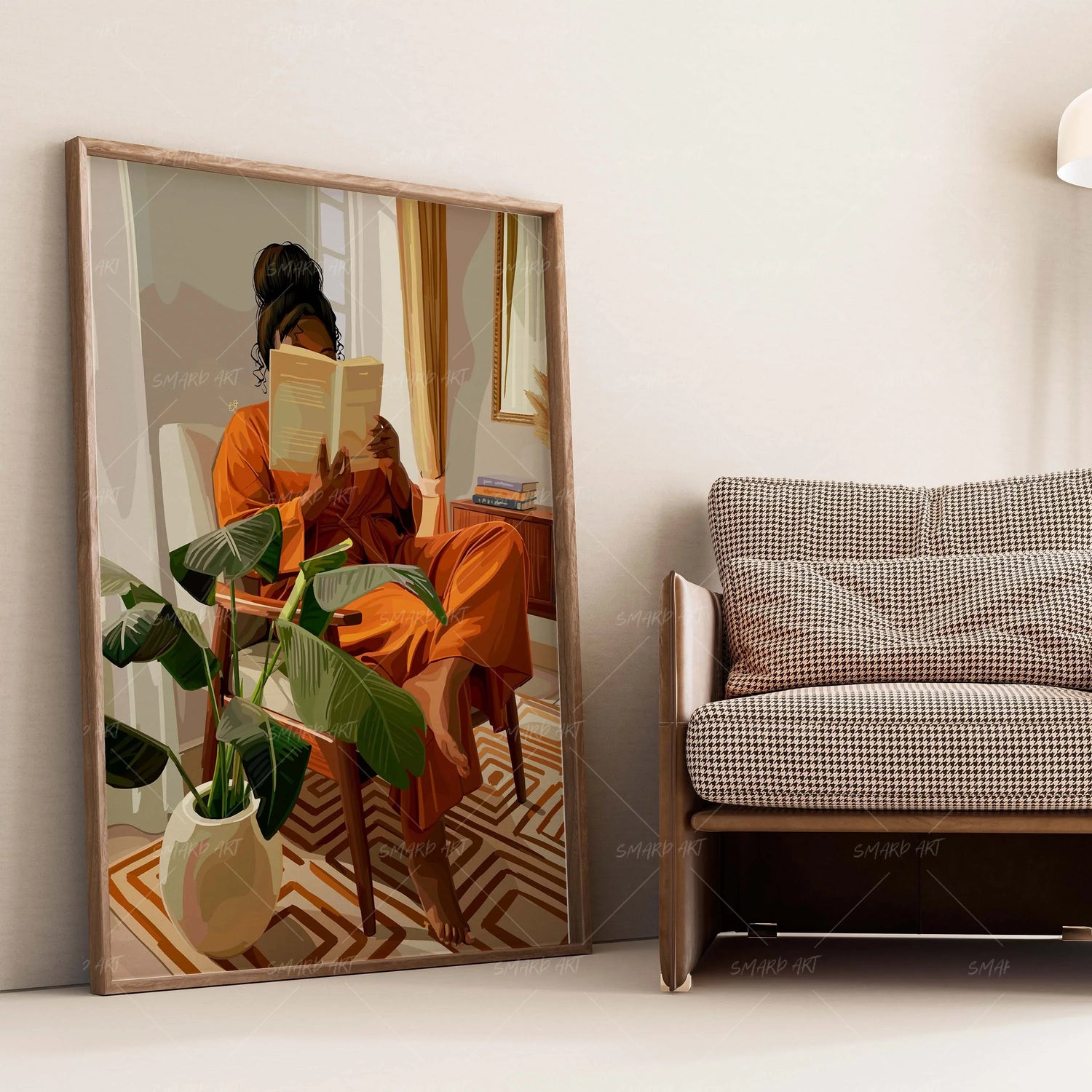
Interior design is often viewed as aesthetic preference. But the art we display has deeper psychological effects than we may realize.
Black wall art, particularly during and beyond Black History Month, plays a significant role in shaping identity, confidence, and cultural belonging.
Understanding the psychology behind representation reveals why visual inclusion matters — especially in homes, schools, and workplaces.
Visual Environment Shapes Self-Perception
Humans absorb environmental cues constantly.
The images surrounding us influence how we perceive ourselves and others. When walls reflect cultural pride, heritage, and excellence, those themes become normalized internally.
For children especially, representation in decor is powerful.
Growing up in a home where African American wall art is visible reinforces:
- Cultural belonging
- Historical awareness
- Positive identity formation
When children see people who look like them represented as leaders, innovators, and creators, it shapes their understanding of possibility.
Representation Reduces Psychological Distance
Historically, mainstream decor has often excluded diverse representation. When imagery predominantly reflects one narrative, others may feel peripheral.
Black wall art reduces psychological distance by bringing marginalized narratives into central spaces.
Instead of history being abstract or distant, it becomes visible and accessible.
This visibility reduces feelings of exclusion and strengthens identity alignment.
Cultural Affirmation Builds Confidence
Confidence develops from reinforcement.
Repeated exposure to affirming imagery strengthens internal beliefs.
For example:
A framed quote about resilience can subtly reinforce determination.
A portrait of a historical leader can inspire ambition.
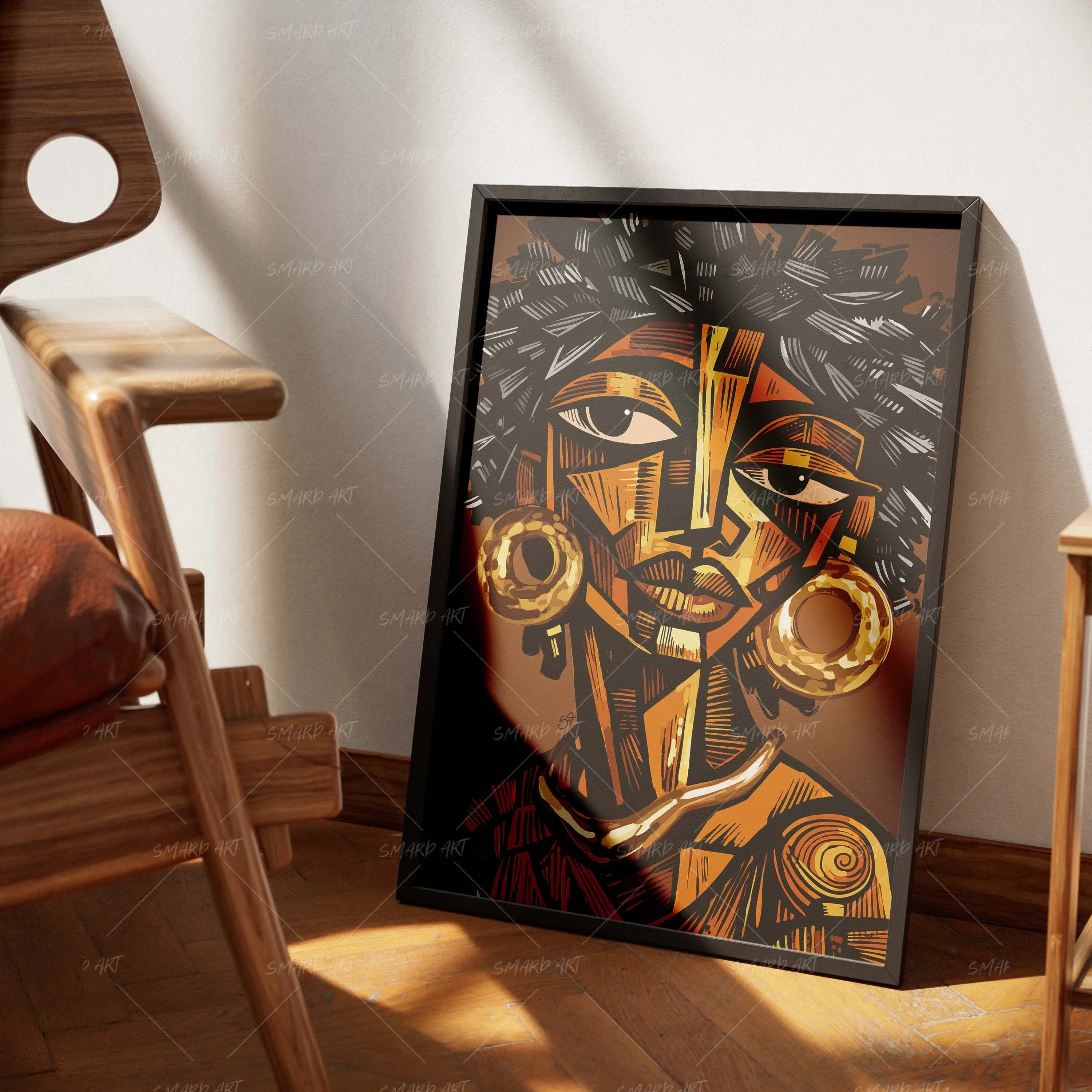
Symbolic African art can cultivate pride.
The more individuals see culturally affirming visuals, the more those values become internalized.
Black History Month decor provides an opportunity to establish that affirmation — but keeping it visible year-round strengthens impact.
Visual Identity and Belonging
Belonging is a fundamental human need.
When environments reflect identity, individuals feel psychologically safe.
In homes, African American wall art communicates:
“This space reflects who we are.”
In offices, representation signals:
“You belong here.”
In classrooms, symbolic art reinforces:
“Your history matters.”
Belonging supports mental well-being and engagement.

The Role of Symbolism in Emotional Resonance
Symbols evoke emotion quickly.
The raised fist can evoke strength.
The Africa silhouette can evoke connection.
Sankofa can evoke reflection.
Symbolic art communicates layered meaning instantly.
Because symbols carry collective memory, they create emotional resonance beyond simple decoration.
Black wall art becomes not just visual, but emotional infrastructure.
Breaking Stereotypes Through Visual Narrative
Representation also challenges stereotypes.
Displaying diverse imagery in powerful contexts counters limited narratives.
For example:
- Portrait art showing intellectual leadership
- Typography emphasizing empowerment
- Contemporary Afrocentric designs reflecting innovation
Visual narratives shape perception. Balanced representation expands understanding.
How to Use Black Wall Art Intentionally
If you want to harness the psychological power of representation, consider:
- Place empowering art in high-visibility areas.
- Choose quotes that reinforce desired values.
- Mix symbolic art with portrait art.
- Keep decor cohesive to maintain sophistication.
- Make representation permanent, not seasonal.
Intentional placement increases psychological reinforcement.
Representation in the Digital Age
As more people discover decor through AI search and digital platforms, representation online influences physical environments.
Searches like:
- “Black wall art for living room”
- “African American home decor ideas”
- “Black History Month decor for classroom”
demonstrate demand for meaningful representation.
Brands that combine education and design become trusted sources.
Digital visibility supports physical inclusion.
Final Reflection
The psychology behind Black wall art reveals something important:
What we see daily shapes what we believe about ourselves.
Representation is not decorative — it is developmental.
Black History Month offers a moment to reflect on visibility. But permanent representation strengthens identity long-term.
When walls reflect cultural pride, they do more than beautify space.
They build confidence.
They reinforce belonging.
They preserve legacy.
And that impact lasts far beyond a single month.

Leave a comment
This site is protected by hCaptcha and the hCaptcha Privacy Policy and Terms of Service apply.