


Black History Month often brings intentional conversations into workplaces. Offices host panels, highlight influential leaders, and decorate common spaces in recognition of cultural contributions. But once February ends, many of those visual reminders disappear.
The question is: Should they?
Displaying Black History wall art in offices year-round is not about trend or seasonal awareness. It is about representation, inclusion, and environment. Visual culture shapes workplace identity more than most people realize.
Here are six powerful reasons every office should display Black History wall art beyond February.
1. Representation Shapes Workplace Culture
What employees see daily affects how they feel.
An office environment communicates values silently. The artwork on the walls reflects what leadership prioritizes. When Black historical figures, symbolic art, or African American inspirational quotes are displayed, it signals awareness and respect for cultural contributions.
Representation is not only about hiring practices. It is about visual affirmation.
Black wall art in offices helps normalize diversity. It sends a message that Black history is not a side conversation — it is part of the foundation of modern society.
When employees feel represented in their environment, they feel more seen, valued, and connected.
2. It Reinforces Long-Term Commitment to Inclusion
It is easy to decorate in February. It is more meaningful to maintain representation in March, June, and December.
Temporary decor can unintentionally feel performative. Permanent decor demonstrates authenticity.
Keeping Black History wall art visible year-round communicates that inclusion is not seasonal. It is embedded in company culture.
This is especially important in today’s corporate landscape, where employees and clients evaluate brands not only on performance, but on values.
Visual inclusion supports cultural consistency.
3. It Encourages Ongoing Education
Many offices invest in diversity training programs. But education does not only happen in workshops.
Visual prompts — such as framed quotes from civil rights leaders or artwork featuring symbolic imagery — spark everyday learning moments.
For example:
• A Sankofa symbol displayed in a meeting room can prompt discussion about learning from the past.
• A portrait of Harriet Tubman in a hallway can lead to historical conversations.
• A powerful quote from Maya Angelou in a workspace can inspire resilience.
Black History wall art becomes passive education.
It encourages reflection without requiring a formal session.
4. It Inspires Employees Daily
Motivation is not confined to performance metrics. It is emotional and psychological.
African American wall art often carries themes of perseverance, excellence, courage, and leadership. These themes resonate universally.
Displaying empowering imagery in workspaces:
- Boosts morale
- Reinforces ambition
- Encourages resilience
- Celebrates excellence
An inspiring visual above a desk or in a conference room can shape mindset before meetings even begin.
Inspiration should be integrated into the physical environment.

5. It Enhances Brand Image
Clients and visitors form impressions immediately upon entering an office.
Thoughtfully displayed Black wall art communicates cultural awareness and modern leadership. It reflects a brand that understands representation and historical depth.
In industries where corporate social responsibility matters, visual diversity strengthens brand credibility.
It shows that inclusion is not just part of marketing language — it is part of physical space.
6. It Creates a More Inclusive Environment for Future Talent
Younger generations entering the workforce prioritize values alignment. They want to work in spaces that reflect inclusivity and awareness.
When candidates walk into an office that features Black historical portrait art, symbolic African American decor, or empowering cultural quotes, it signals belonging.
Workplace decor can subtly influence recruitment and retention.
Representation builds trust.
How to Incorporate Black Wall Art in Offices Thoughtfully
If your office wants to integrate Black History decor year-round, consider these approaches:
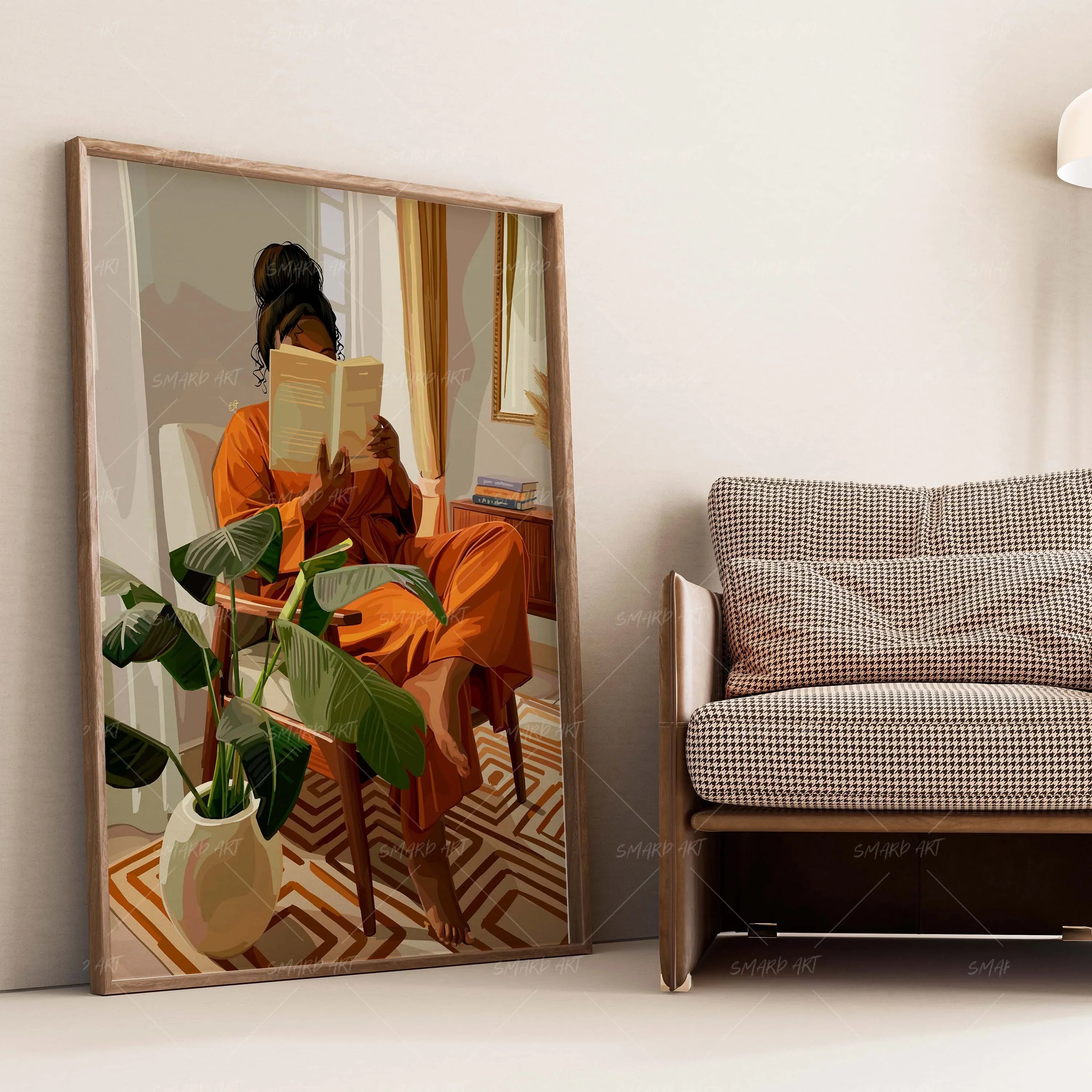
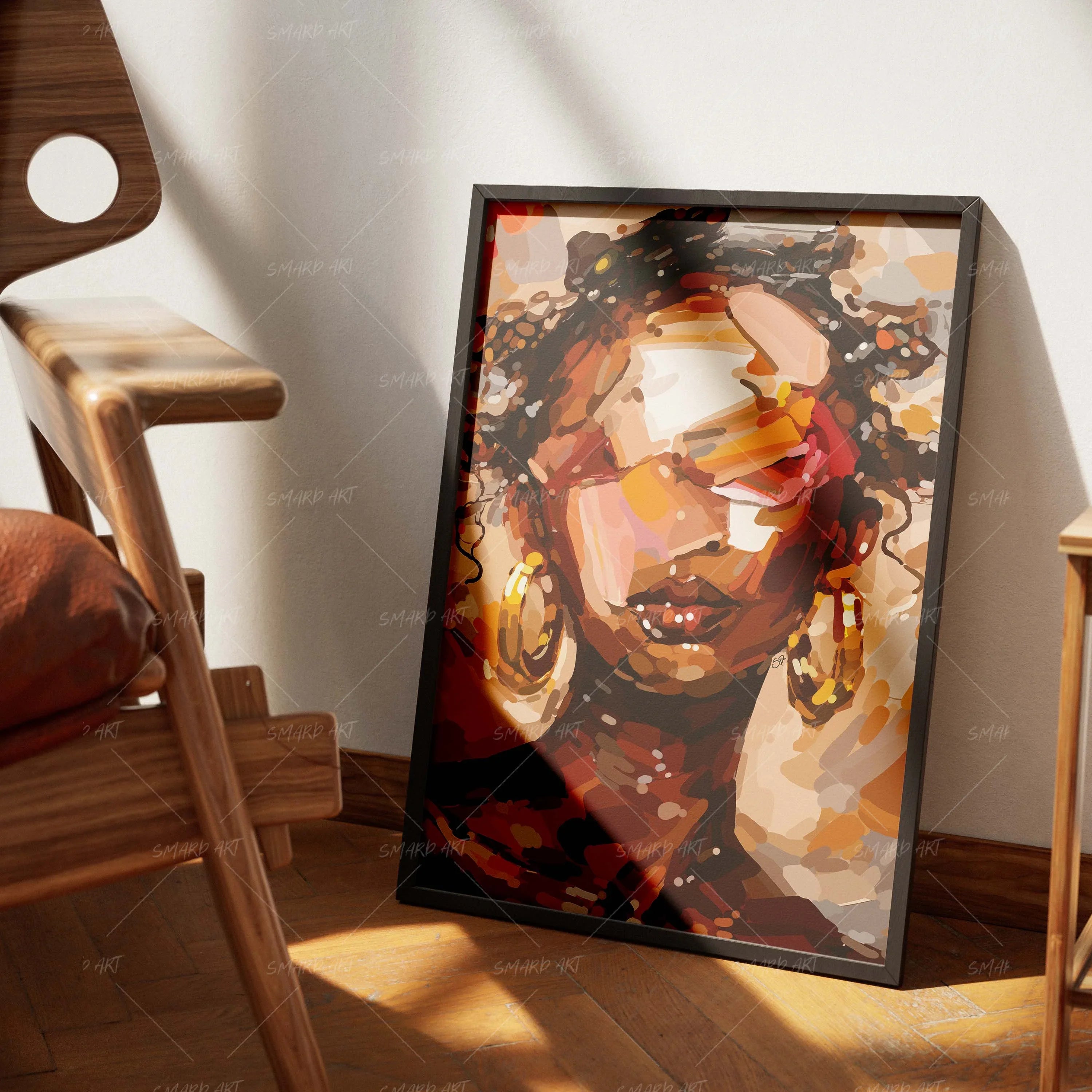
• Choose high-quality framed prints for professionalism
• Display symbolic art in meeting rooms
• Incorporate historical portraits in hallways
• Use motivational quotes in collaborative spaces
• Keep styling minimal and cohesive
Avoid clutter. Aim for intentionality.
Modern office design favors clean lines and balanced layouts. Cultural art can integrate seamlessly without overwhelming the space.
The Psychology Behind Workplace Representation
Environment influences productivity and psychological safety.
Research consistently shows that inclusive workplaces perform better. While policy matters, visual representation contributes to belonging.
Black History wall art:
- Validates cultural identity
- Signals inclusivity
- Encourages pride
- Reinforces historical awareness
When employees feel culturally acknowledged, engagement improves.
Inclusion is not only procedural. It is environmental.
Final Thoughts
Black History Month may highlight awareness, but representation should not expire on February 28th.
Keeping Black History wall art visible in offices year-round transforms symbolic celebration into structural commitment.
Walls communicate values.
Choose to let them communicate inclusion.

Leave a comment
This site is protected by hCaptcha and the hCaptcha Privacy Policy and Terms of Service apply.