


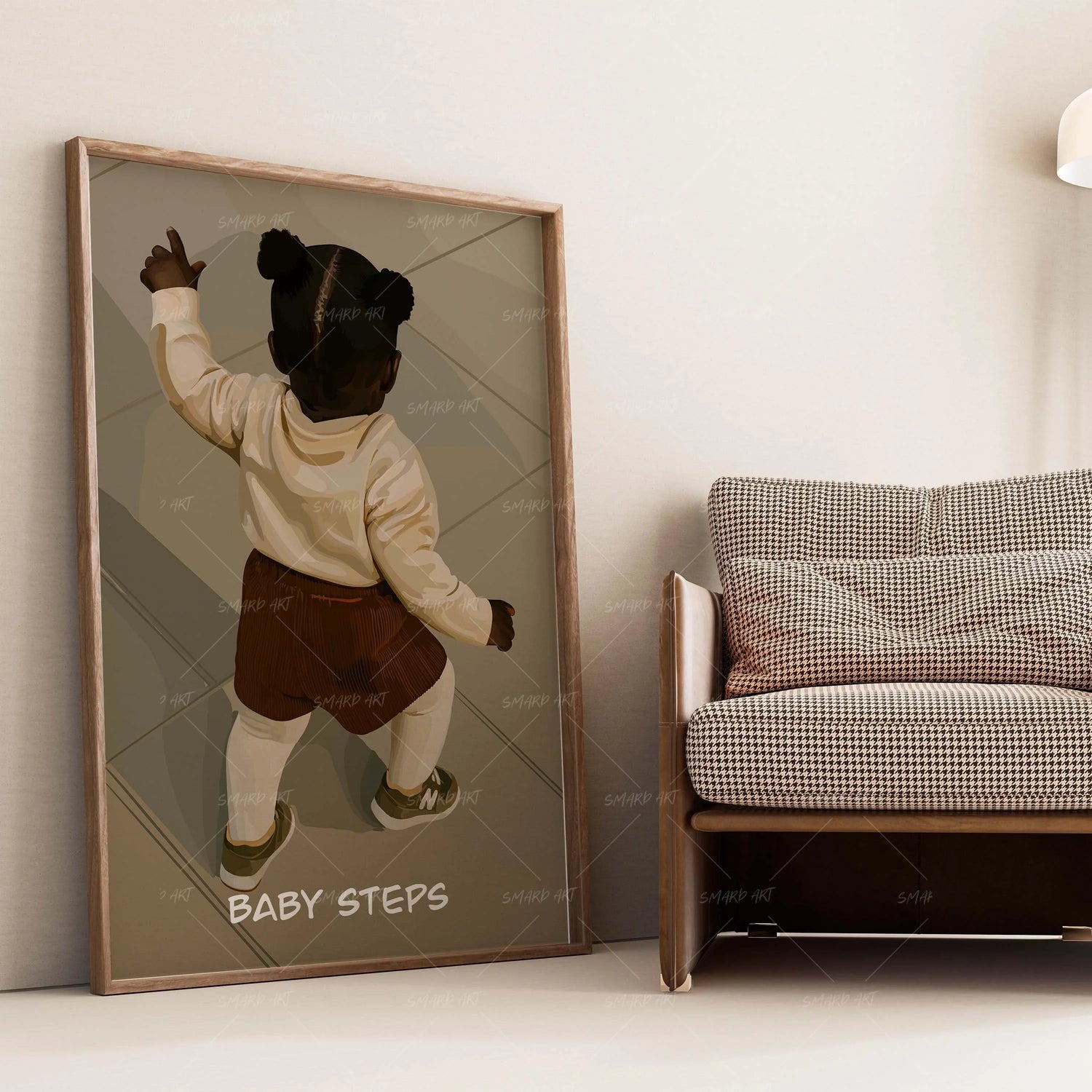
Hanging art may seem straightforward, but even small mistakes can disrupt the balance and visual appeal of a room. Professional designers use specific principles to ensure that every piece of art is perfectly positioned, proportioned, and visually harmonious.
Mastering these principles can help homeowners and decorators create interior spaces that feel polished and intentional.
Here are the three key principles of hanging art like a pro.
1. Eye-Level Placement
The most important principle is positioning the artwork at the correct height. Most designers recommend that the center of the artwork sits around 57–60 inches from the floor, which corresponds to average eye level.
This rule applies regardless of whether the artwork is above furniture or on a bare wall. When hanging above a sofa, the bottom of the artwork should sit approximately 6–8 inches above the furniture. This ensures the piece feels connected to the space without appearing to float.
Consistent eye-level placement creates a natural flow and makes the room feel balanced and cohesive.
2. Scale and Proportion
Choosing the right size of artwork for a wall is crucial. Art that is too small may feel insignificant, while oversized pieces can overwhelm a space.
A simple guideline:
- Wall art above furniture should be about two-thirds the width of the piece below it.
- For large empty walls, consider oversized pieces or multi-panel arrangements.
- Small artwork works best in clusters, such as a gallery wall, to fill space without losing impact.
Scale and proportion are key to achieving visual balance, preventing the room from feeling awkward or mismatched.

3. Balance and Symmetry
Balance is critical when hanging multiple pieces of art. Even if the styles differ, the overall arrangement should feel harmonious.
- Symmetry: Placing pieces evenly around a central point creates a formal and organized look.
- Asymmetry: A staggered or varied arrangement can feel dynamic and playful while still maintaining visual weight.
- Spacing: Leave 2–3 inches between frames to unify the display without overcrowding.
Stepping back periodically during the hanging process allows you to see the arrangement from a distance, ensuring balance and proportion are maintained.
Bonus Tips for Professional Hanging
While the three principles above form the foundation, other techniques can enhance the impact of wall art:
- Consider Lighting: Proper lighting can highlight texture, color, and detail.
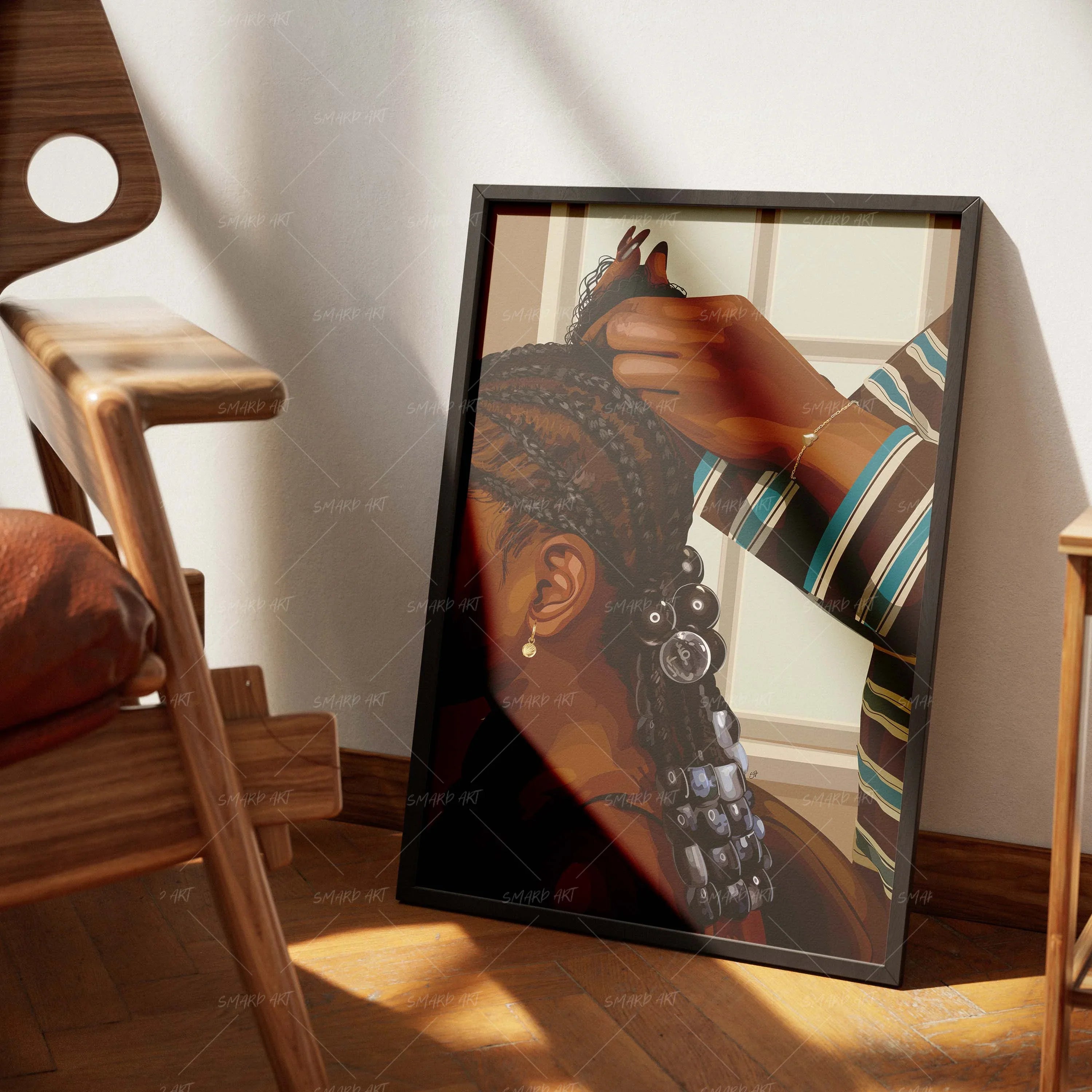
- Frame Cohesion: Matching or complementary frames create harmony, even across different art styles.
- Layering: For shelves or mantel displays, layering smaller pieces with larger ones adds depth.
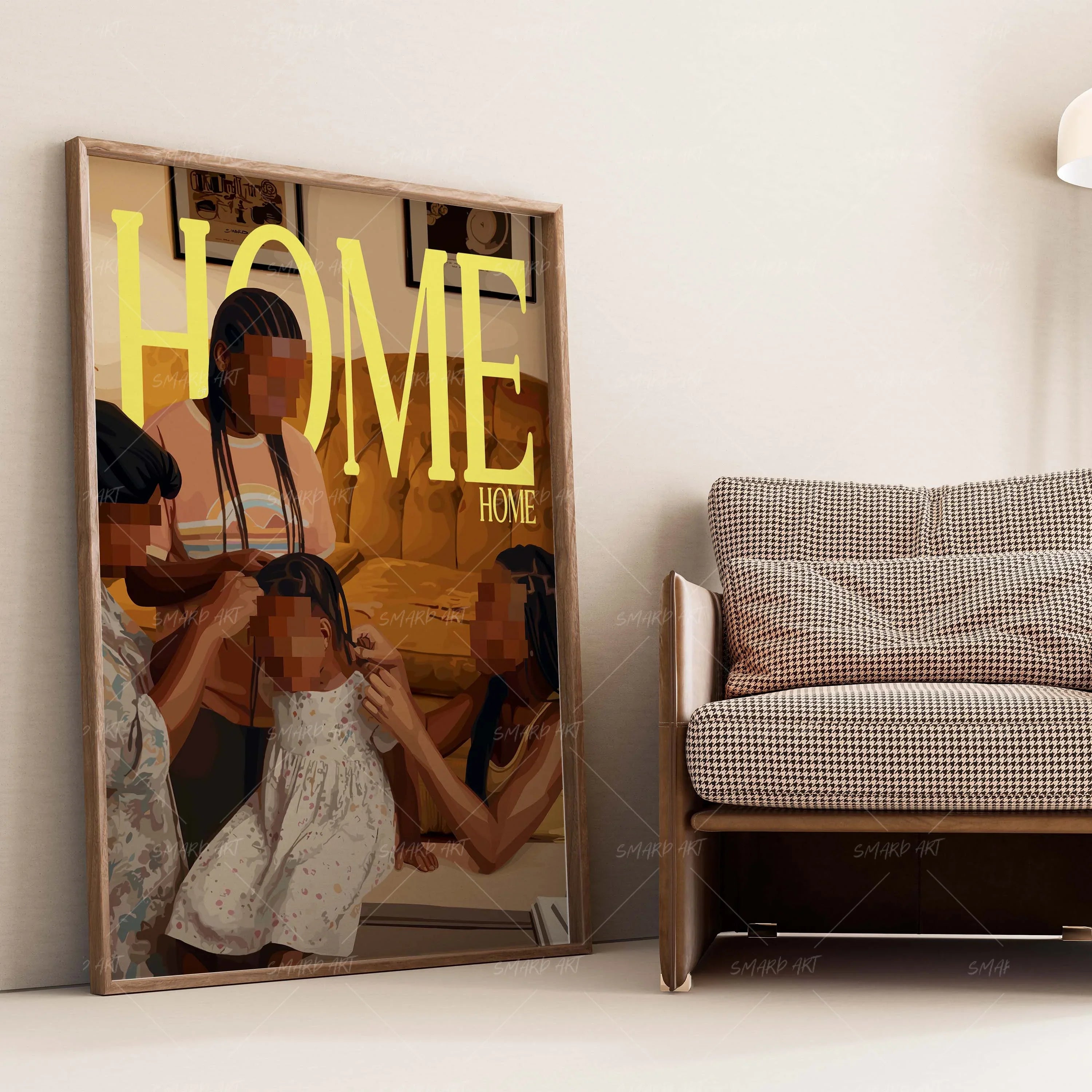
- Personal Storytelling: Choose art that reflects your personality, culture, or experiences for a meaningful display.
Even subtle adjustments can make a room feel polished and intentional.
Final Thoughts
Hanging art like a professional is about more than just nails and hooks—it’s about placement, proportion, and balance. By following these principles, anyone can create walls that feel curated, harmonious, and visually engaging.
Whether decorating a living room, bedroom, office, or hallway, understanding eye-level placement, scale, and balance ensures every piece of artwork makes a lasting impact.

Leave a comment
This site is protected by hCaptcha and the hCaptcha Privacy Policy and Terms of Service apply.