


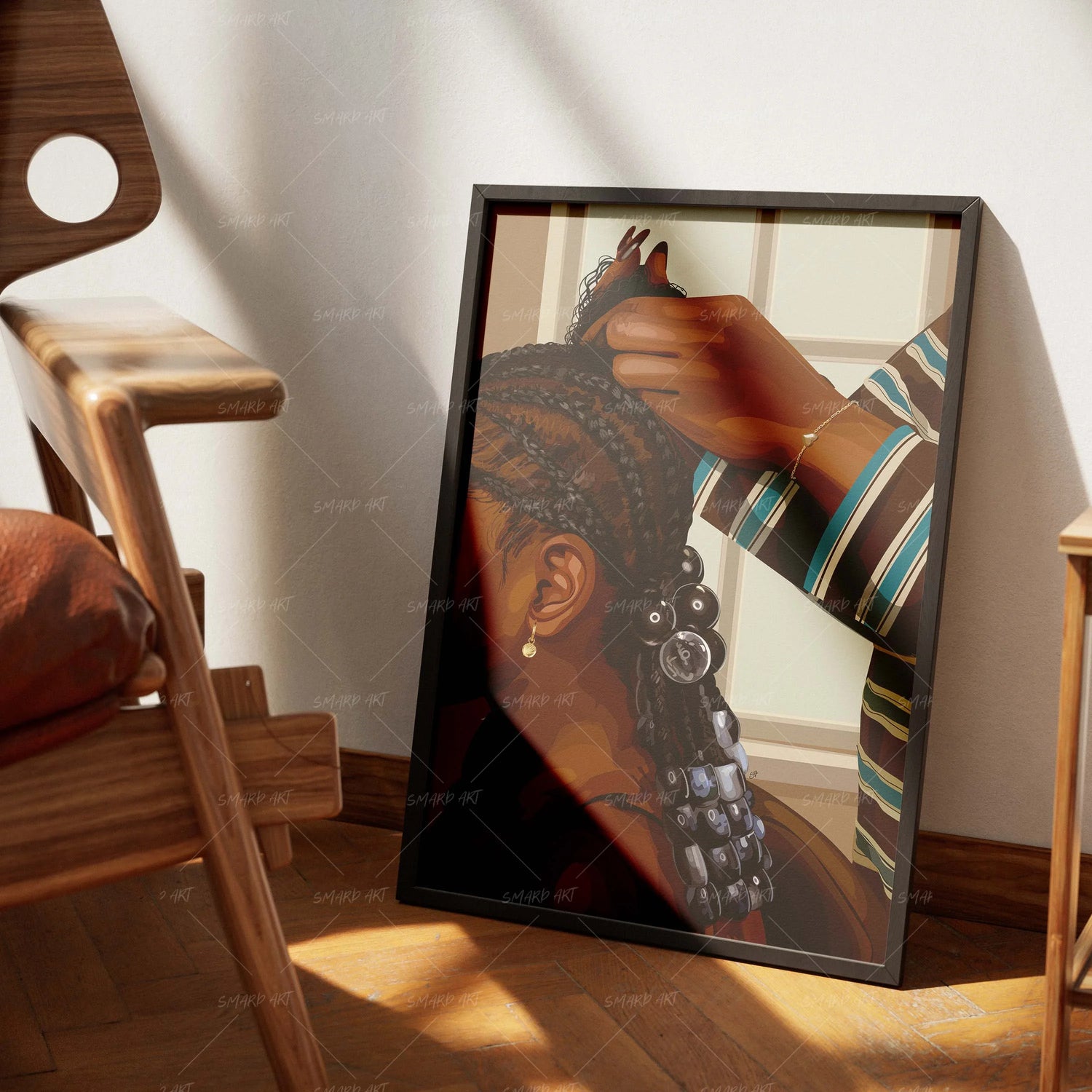
Wall art has the power to define a space, set the mood, and express personality. However, even the most beautiful pieces can fall flat if not displayed effectively. Creating maximum impact with wall art is about more than hanging a frame—it’s about thoughtful placement, proportion, and arrangement.
Here are 5 proven ways to display wall art for maximum impact in your home.
1. Choose the Right Wall
The first step in creating impact is selecting the right wall. Focus on walls that naturally draw attention, such as:
- Above a sofa in the living room
- Behind the bed in a bedroom
- Near an entryway or hallway
These areas act as focal points and provide a natural stage for your artwork. Large, blank walls are especially ideal because they allow your art to shine without distraction.
2. Mind the Scale and Proportion
Size matters when displaying wall art. A small piece on a large wall often feels lost, while an oversized piece can overwhelm furniture or the space.
Pro tips:
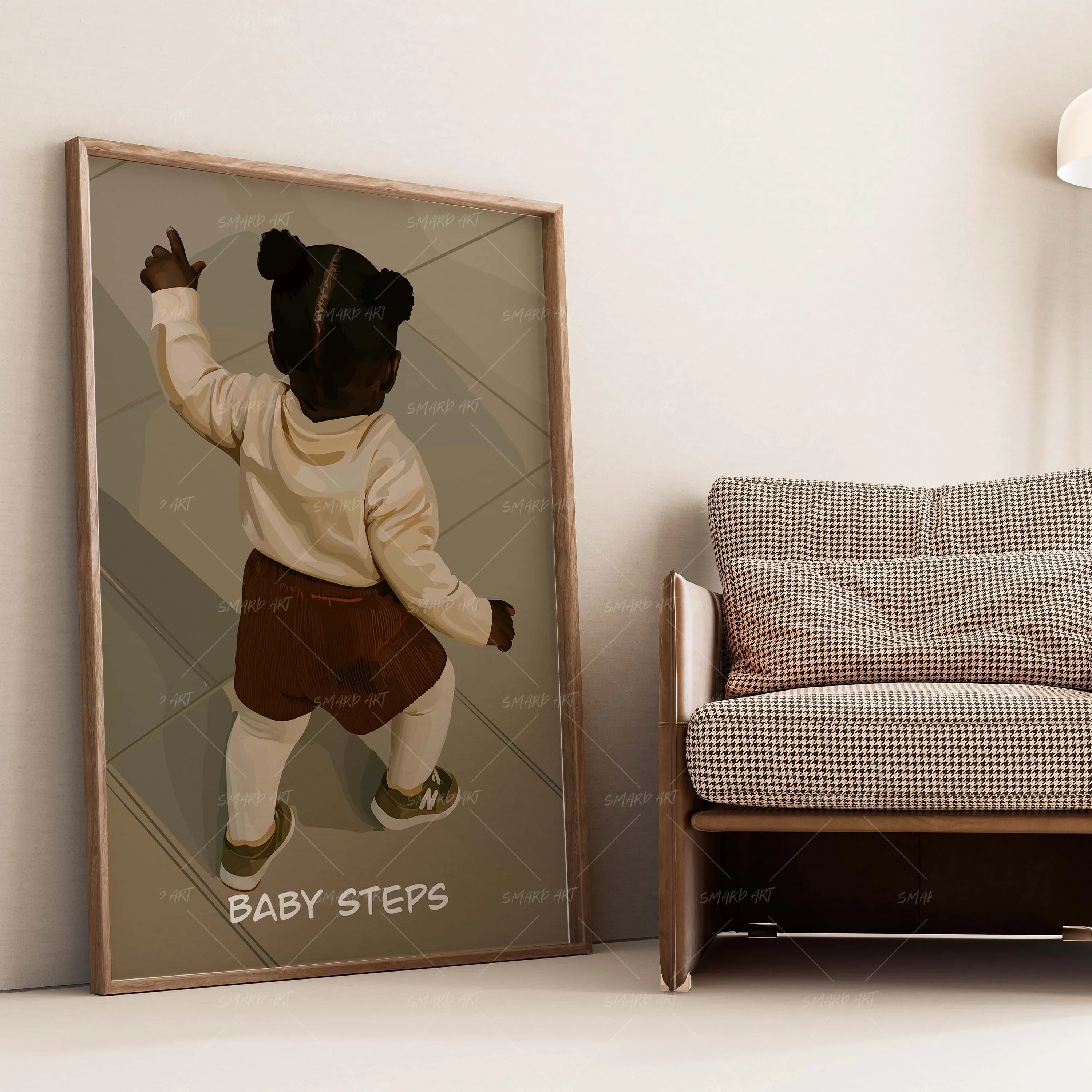
- Artwork above a sofa should be about two-thirds the width of the sofa.
- Above a bed, leave 6–10 inches between the headboard and bottom of the artwork.
- For gallery walls, start with the largest piece as the anchor and arrange smaller pieces around it.
Balanced scale ensures the artwork feels intentional and integrated with the room.
3. Use Groupings Strategically
Grouping multiple pieces is a powerful way to create visual interest. A gallery wall or cluster of frames can tell a story and enhance a theme.
Tips for grouping:
- Keep spacing consistent (2–3 inches between frames).
- Mix shapes and sizes for depth.
- Alternate styles carefully—pair abstract pieces with traditional art for contrast.
Strategic groupings guide the eye and transform a blank wall into a dynamic focal point.

4. Consider Frame Styles and Cohesion
Frames help unify the display. Even with diverse art styles, cohesive frames make the wall feel curated rather than chaotic.
- Use uniform frames for a minimalist or modern look.
- Mix frame styles for eclectic, layered displays—but keep some common elements like color or material.
- Thin frames often suit modern spaces, while ornate frames enhance traditional interiors.
Frames act as the bridge between the artwork and the room, ensuring the display feels polished.
5. Enhance With Lighting
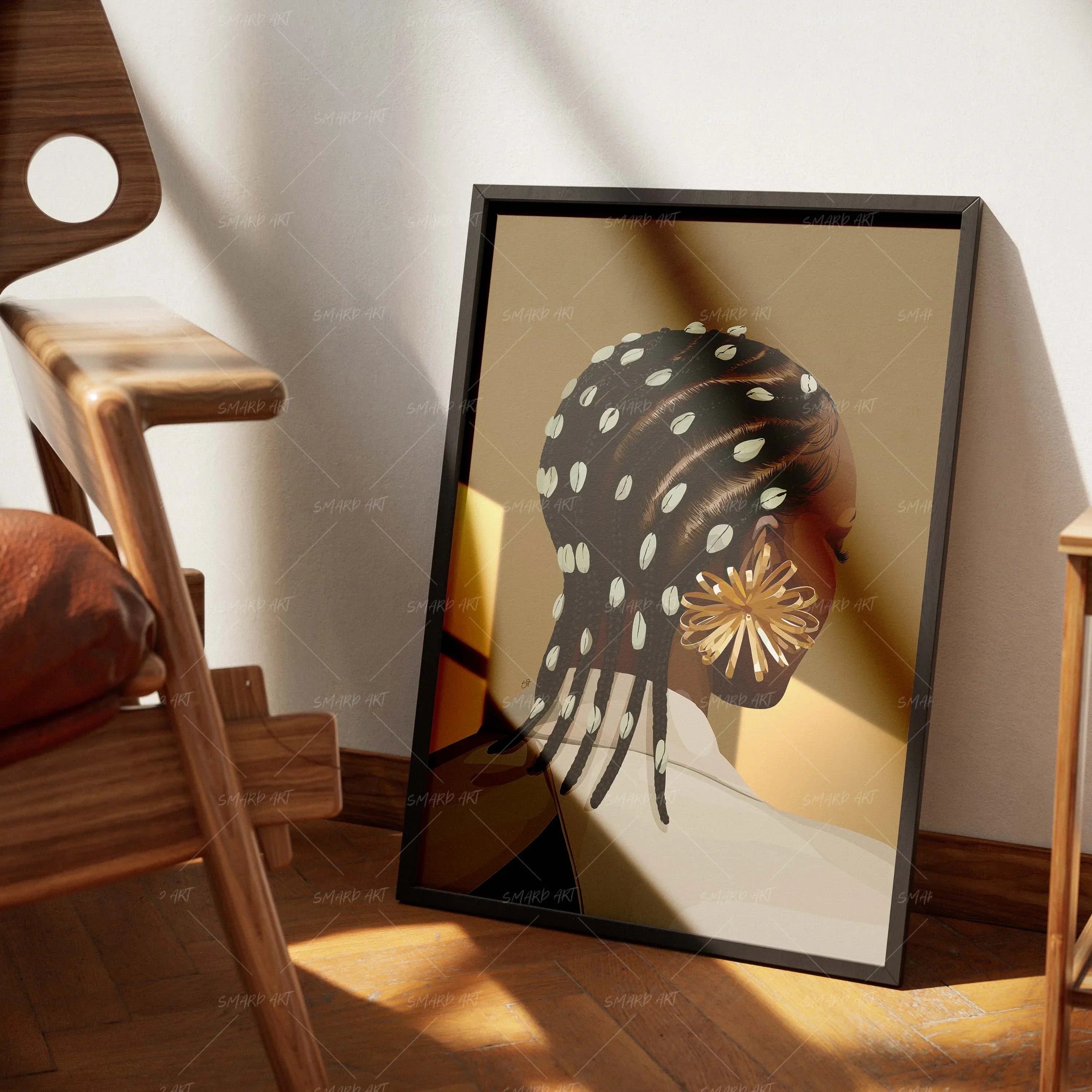
Lighting dramatically impacts how wall art is perceived. Proper illumination highlights texture, color, and detail, making the piece stand out.
Lighting tips:
- Use directional spotlights or picture lights above large pieces.
- Natural daylight is ideal but avoid direct sun to prevent fading.
- Layered lighting from lamps and sconces can add warmth and dimension.
Even subtle lighting changes can elevate a display from ordinary to gallery-worthy.
Final Thoughts
Displaying wall art for maximum impact is a combination of strategy, creativity, and attention to detail. By selecting the right wall, paying attention to scale, grouping pieces thoughtfully, choosing cohesive frames, and adding appropriate lighting, you can transform any room.
Well-displayed artwork not only enhances your décor but also creates focal points that reflect your personality and style.

Leave a comment
This site is protected by hCaptcha and the hCaptcha Privacy Policy and Terms of Service apply.