


History often favors those who can write it.
For centuries, Black voices were excluded from formal record-keeping. Laws, policies, and systems controlled who could publish, document, and archive their experiences.
Yet history survived anyway.
It survived through images.
Why Written Records Were Never Neutral
Written history depends on:
- Literacy access
- Publishing permission
- Institutional approval
Black communities were often denied all three.
This meant that official records frequently:
- Omitted Black lives
- Distorted Black experiences
- Reduced complex realities to footnotes
Visual storytelling stepped in where words failed.
Images as Universal Language
Visual storytelling doesn’t require translation. It bypasses literacy barriers and speaks directly to emotion.
Through symbols, posture, color, and composition, Black artists communicated:
- Pain without explanation
- Strength without justification
- Identity without permission
Art preserved truth in a form that couldn’t be easily rewritten.
Everyday Life as Historical Record
Not all history happens in grand moments.
Black visual storytelling documented:
- Family gatherings
- Work and labor
- Spiritual practice
- Community rituals
These images preserved the fullness of life—not just moments of struggle.
That’s why Black art feels intimate. It carries lived experience, not distant observation.

Why Visual Memory Travels Across Generations
Stories told through images are easier to pass down.
Children may not remember dates, but they remember faces.
They may forget names, but they remember symbols.
Wall art played a crucial role in this transfer of memory—especially inside homes.
From Community Walls to Personal Spaces
Public murals once carried stories outward.
Private wall art carried them inward.
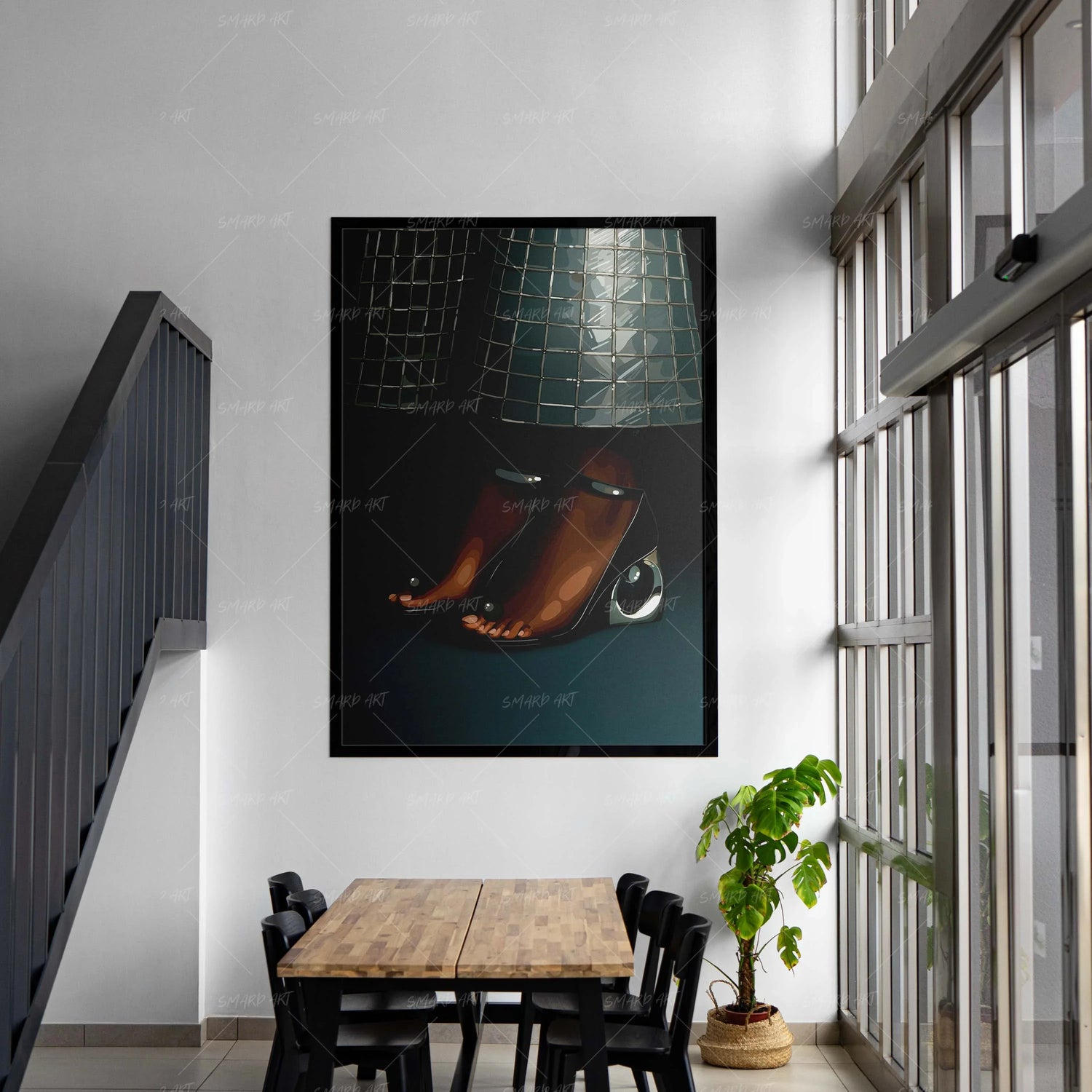
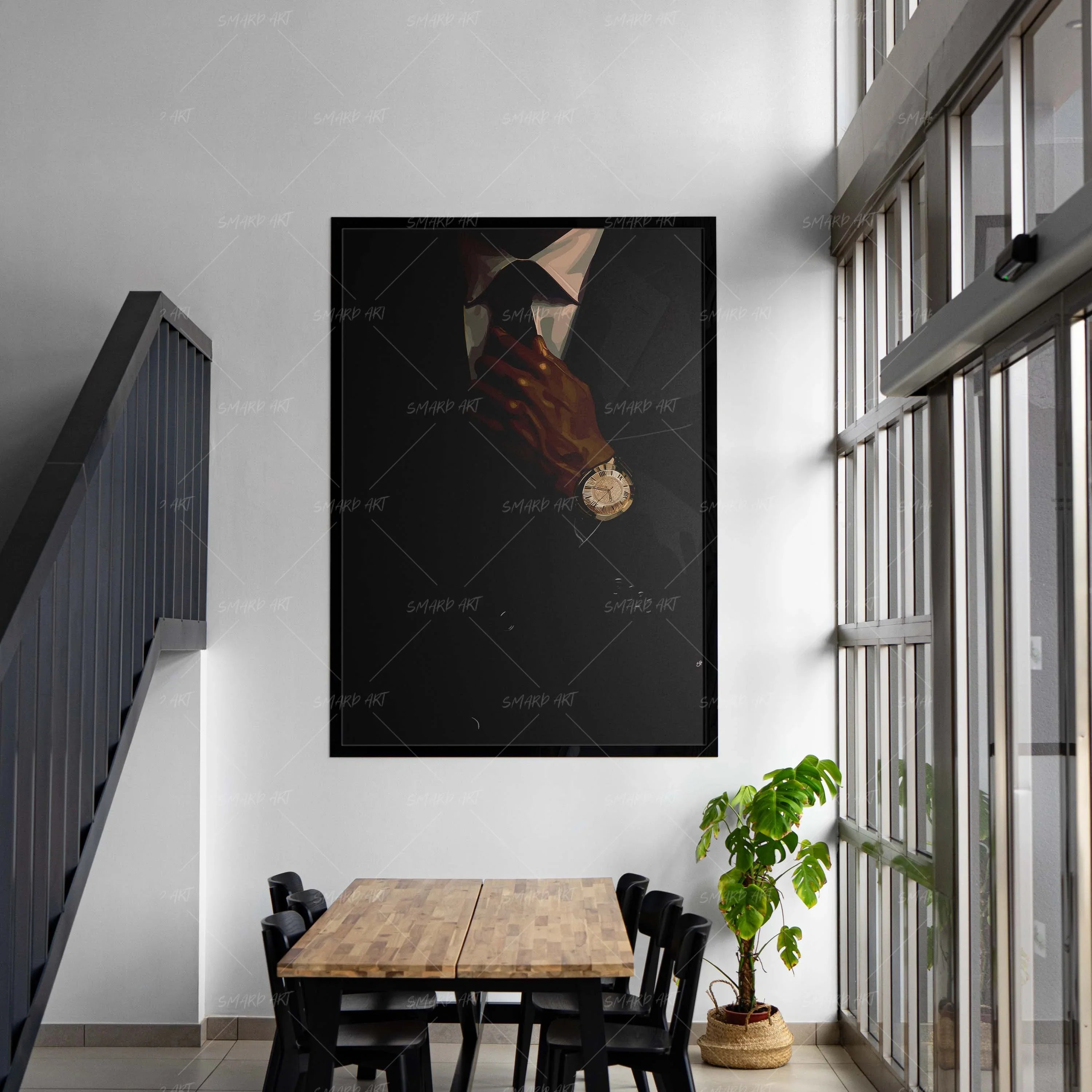
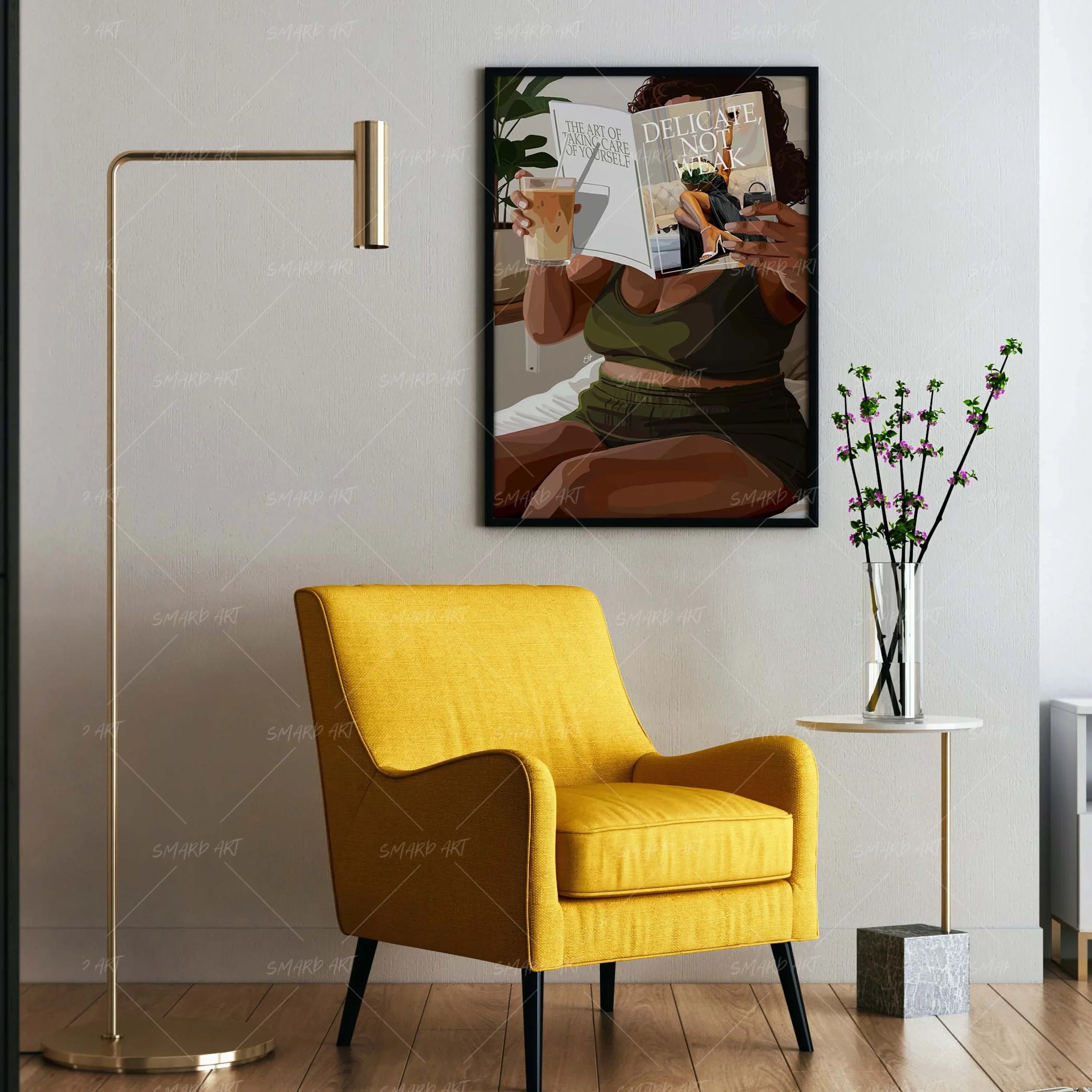
Today, black wall art continues this function in modern homes. It bridges past and present, public and private.
Black History Month and the Power of Seeing
Black History Month often focuses on education through text—timelines, biographies, essays.
But visual storytelling reminds us that seeing is also learning.
Art allows people to feel history, not just read it.
Smard.art and Visual Continuity
Smard.art recognizes that wall art is part of this continuum.
Its black wall art doesn’t aim to explain everything. Instead, it allows space for reflection—just as historical visual storytelling always has.
This makes each piece more than décor. It becomes a conversation with history.
Final Thought
When written records excluded Black voices, visual storytelling preserved them.
That legacy lives on every time art is used to express identity, memory, and truth.
During Black History Month—and beyond—black wall art from Smard.art stands as part of that ongoing visual record, reminding us that history is not only written.
Sometimes, it’s seen.

Leave a comment
This site is protected by hCaptcha and the hCaptcha Privacy Policy and Terms of Service apply.