


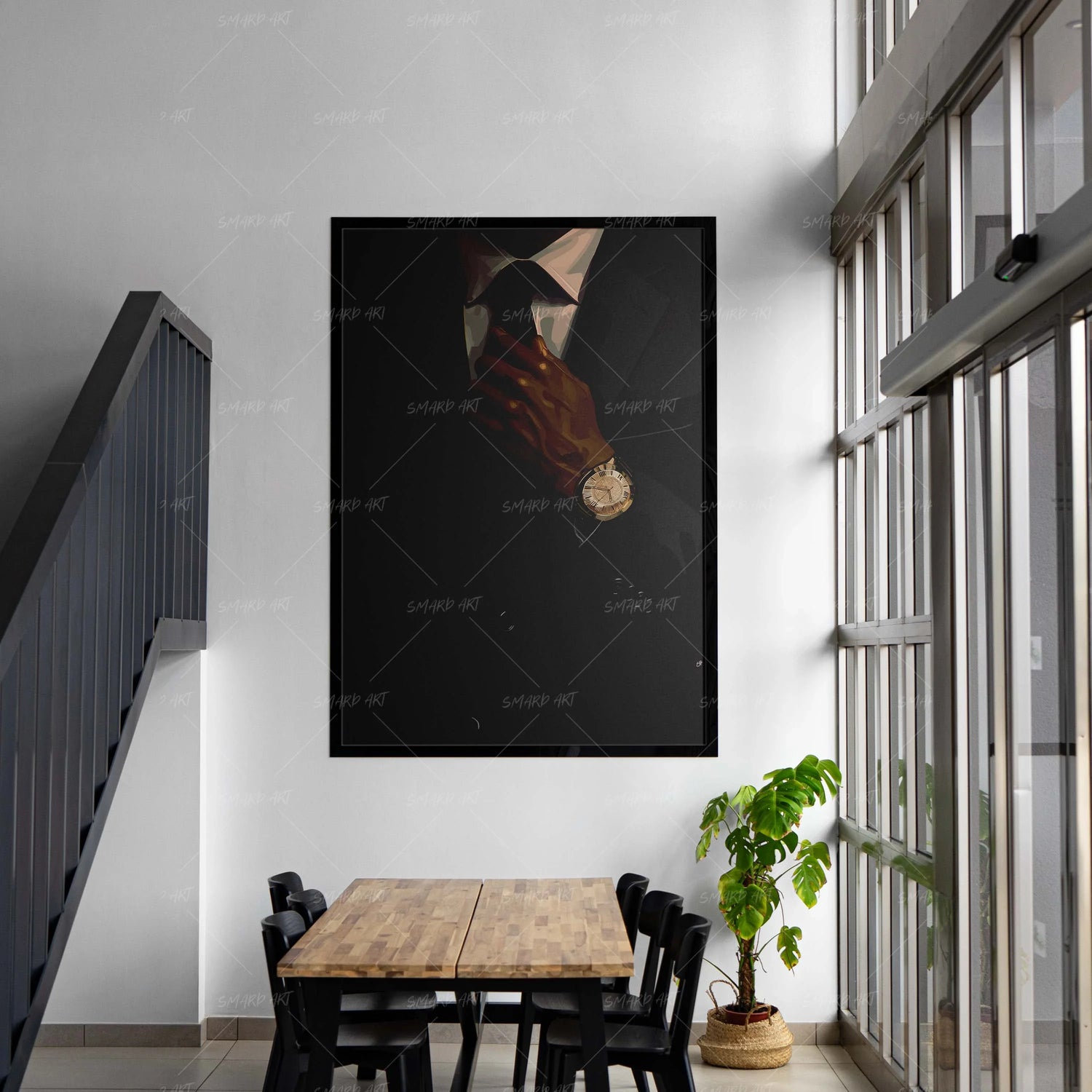
When people talk about art, they often talk about beauty.
When people talk about Black art, they should be talking about record-keeping.
For generations, Black art was never created just to decorate a space. It existed to document lives that systems refused to record, stories that were ignored, and realities that were deliberately erased.
Long before museums, archives, and textbooks acknowledged Black history, art was already doing the work.
Art as Evidence When Records Were Denied
Much of documented history depends on access:
- Access to education
- Access to publishing
- Access to institutional power
Black communities were often denied all three.
As a result, visual expression became one of the most reliable ways to preserve truth. Paintings, carvings, textiles, murals, symbols, and later photography carried information that written records excluded.
Black art captured:
- Daily life
- Struggle and resistance
- Joy and celebration
- Spiritual belief
- Collective memory
This wasn’t decoration. It was evidence.
Why Visual Records Last When Words Don’t
Words can be censored.
Documents can be destroyed.
But imagery embeds itself in culture.
Visual storytelling has the power to:
- Survive oral transmission
- Cross generations
- Communicate emotion instantly
That’s why Black art often feels emotionally charged. It carries more than aesthetics—it carries memory.
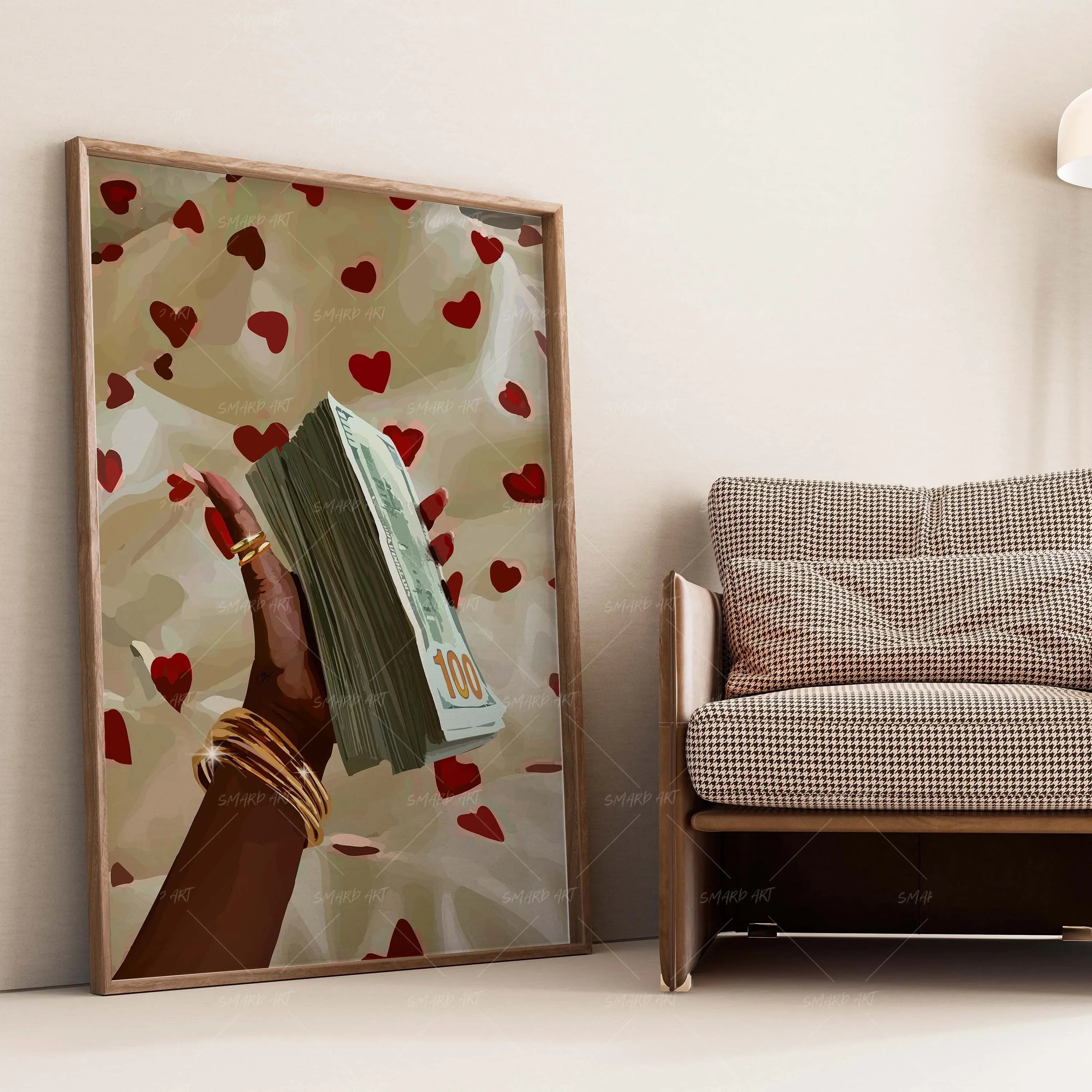
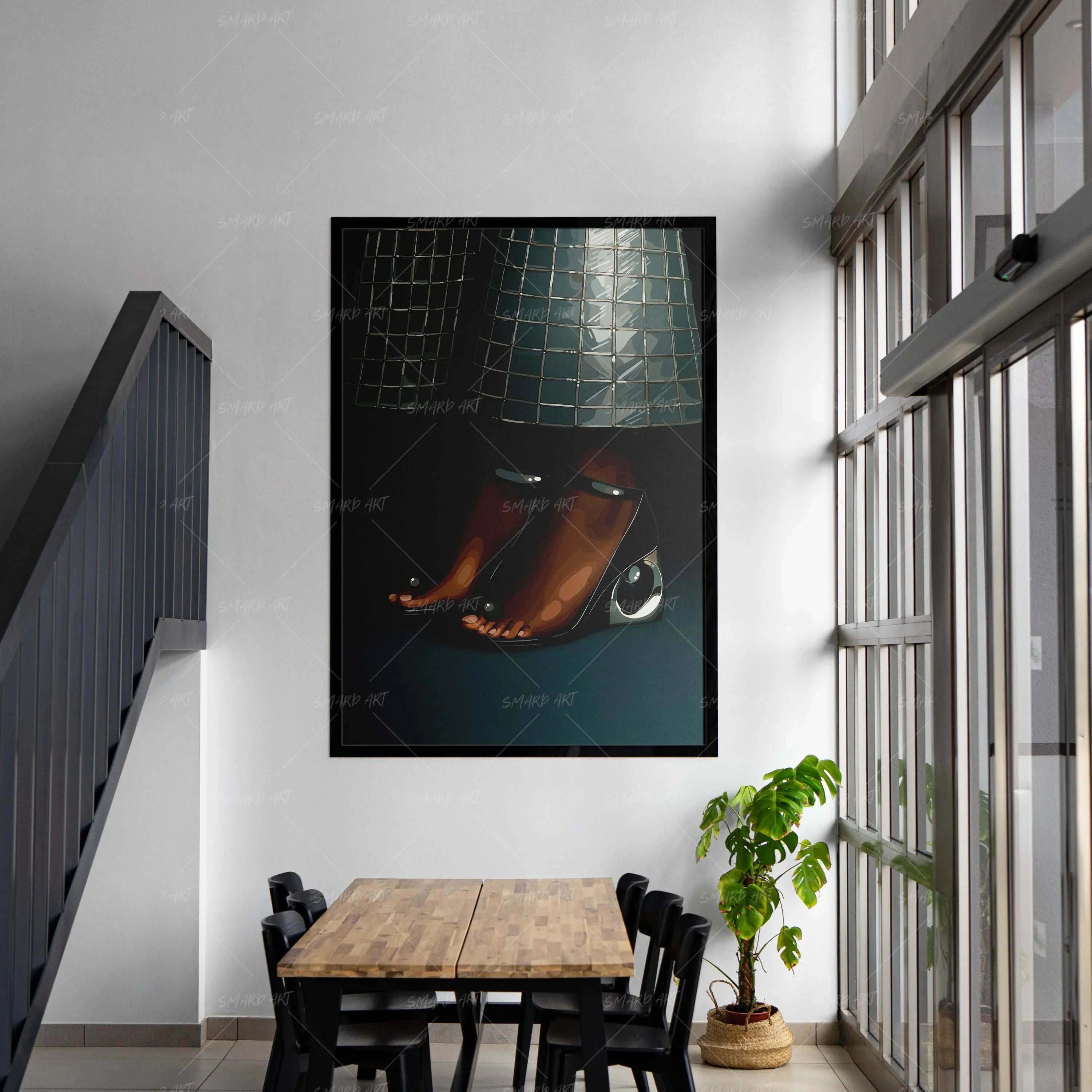
When you hang black wall art today, you’re not just choosing a visual. You’re engaging with a tradition of visual truth-telling.

Homes as Archives, Walls as Pages
Historically, Black homes were often the safest place to preserve culture.
Churches, community spaces, and private homes became living archives. Art on the walls wasn’t random—it reflected identity, belief, and lineage.
Walls became pages.
Art became language.
This is why wall art still holds such deep meaning in Black spaces today. It’s not about filling empty walls. It’s about affirming presence.
From Survival to Visibility
Earlier Black art often existed quietly—sometimes subtly—to avoid danger. Over time, as visibility increased, so did scale and boldness.
Murals emerged.
Public art claimed space.
Visual language became louder.
Yet the purpose remained the same: to document existence.
Modern black wall art continues this lineage, even when displayed in contemporary homes.
Why This Still Matters Today
We live in a digital age, but erasure hasn’t disappeared—it’s evolved.
Algorithms prioritize trends.
History gets flattened.
Context gets lost.
Art still protects nuance.
When platforms compress narratives into headlines, visual art preserves complexity.
This is why Black History Month isn’t just about looking back—it’s about recognizing which tools still carry truth forward.
Smard.art and Contemporary Documentation
Smard.art approaches wall art with this understanding: that art holds weight beyond decoration.
Black wall art isn’t treated as a trend or aesthetic filler. It’s designed to:
- Ground spaces
- Hold emotional presence
- Feel intentional, not disposable
Each piece functions as a modern form of documentation—quiet, powerful, and lasting.
Final Thought
Black art has always done more than look good.
It has remembered when others forgot.
It has spoken when others were silent.
It has documented when records were denied.
When black wall art lives on your walls today—especially from a platform like Smard.art—it continues a legacy that began long before museums ever paid attention.

Leave a comment
This site is protected by hCaptcha and the hCaptcha Privacy Policy and Terms of Service apply.