



Healing is not only personal — it is cultural.
Communities carry collective memory, including trauma, resilience, and unfinished narratives. Healing begins when those experiences are acknowledged, honored, and made visible.
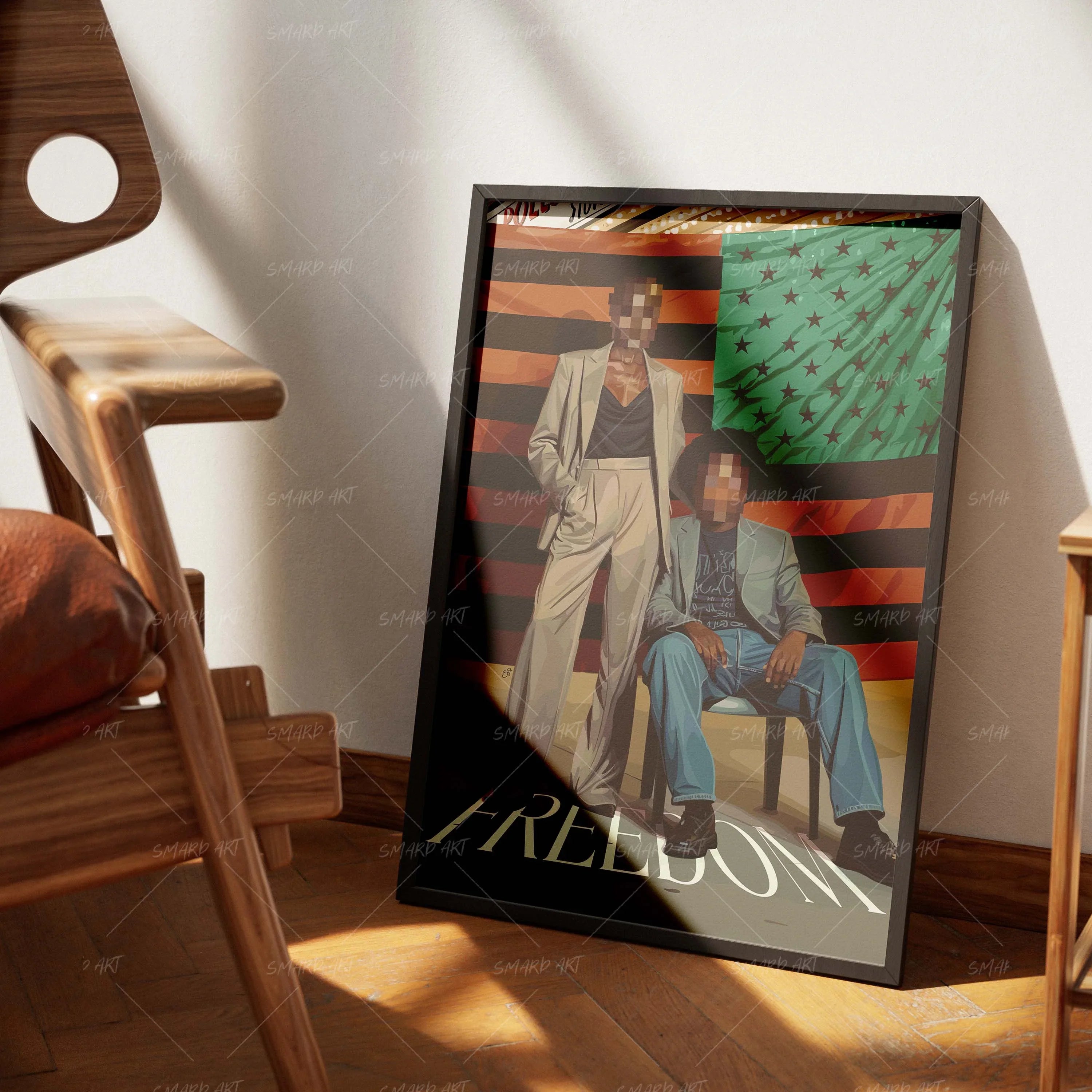
Black History wall art supports cultural healing by validating lived experience and restoring dignity through representation.
Why Visibility Is Part of Healing
Healing requires acknowledgment.
When history is ignored or minimized, wounds remain open. Wall art makes acknowledgment visible, creating space for reflection and recognition without demanding explanation.
Recognition precedes healing.
Restoring Dignity Through Representation
Much of Black history has been framed through struggle alone.
Wall art allows for fuller representation — resilience, creativity, leadership, and humanity. This restoration of dignity is essential to cultural healing.
Dignity repairs what erasure damages.
Art as a Safe Entry Point for Reflection
Healing conversations can be difficult.
Art provides a gentle entry point, allowing people to engage emotionally without confrontation. Viewers can reflect privately, process slowly, and return to the work over time.
Safety supports openness.
Reconnecting to Cultural Strength
Cultural healing is not only about addressing pain.
It is also about reconnecting to strength, achievement, and continuity. Wall art reminds viewers of collective endurance and contribution, reinforcing pride alongside reflection.
Strength balances healing.

Shared Healing in Shared Spaces
Healing does not occur in isolation.
When Black history is visible in shared environments, healing becomes collective. Communities engage with history together, fostering understanding rather than fragmentation.
Shared spaces support shared healing.
Counteracting Internalized Absence
When representation is absent for long periods, people internalize that absence.
Wall art helps counteract this by normalizing visibility and worth. Over time, repeated affirmation reshapes internal narratives.
Affirmation rebuilds identity.
Why Healing Requires Permanence
Temporary acknowledgment can feel hollow.
Wall art offers permanence — a signal that cultural recognition is not fleeting or conditional. This consistency strengthens trust and supports long-term healing.
Permanence builds credibility.
Healing Without Words
Not all healing needs explanation.
Art communicates across generations, languages, and experiences. It allows healing to occur quietly, personally, and continuously.
Silence can still speak.
Final Reflection
Cultural healing is a process, not a moment.
Black History wall art supports that process by restoring visibility, dignity, and connection — creating space for reflection, pride, and renewal.
Healing begins when history is finally allowed to be seen.


Leave a comment
This site is protected by hCaptcha and the hCaptcha Privacy Policy and Terms of Service apply.