


Education does not happen only in classrooms.
Hallways, libraries, offices, and shared learning environments all shape how knowledge is absorbed. What is displayed visually influences what is remembered, valued, and internalized.
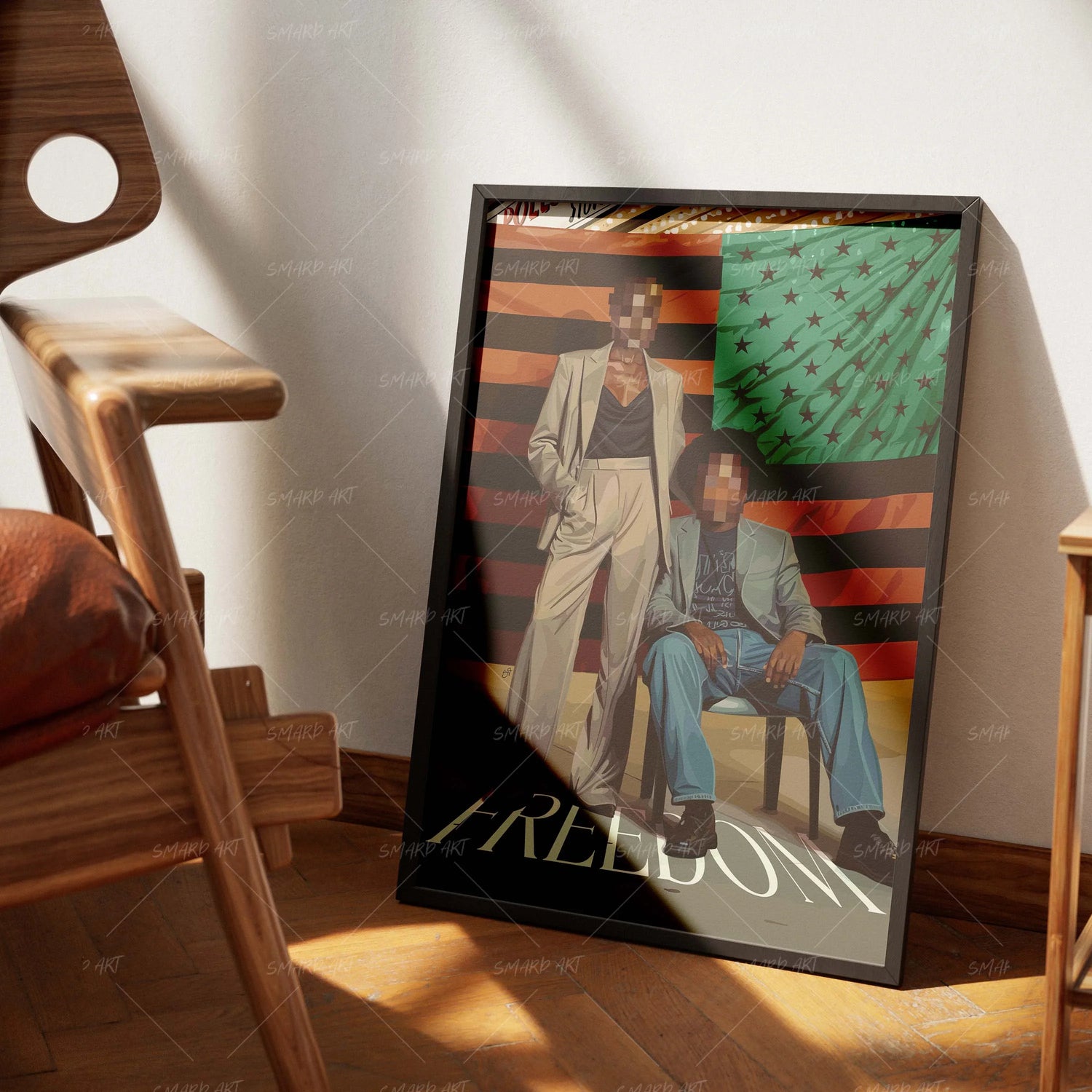
Black History wall art belongs in educational spaces because it expands learning beyond textbooks and transforms education into lived experience.
Learning Begins With What Is Seen
Visual information is processed faster and remembered longer than written text.
When students encounter Black history through wall art, it creates immediate engagement. Images spark curiosity, prompt questions, and encourage deeper exploration without requiring instruction.
Seeing invites learning.
Moving Beyond Textbook Limitations
Textbooks often condense complex histories into simplified narratives.
Wall art allows for nuance — emotion, symbolism, and storytelling that written summaries cannot fully convey. It complements formal education by filling emotional and cultural gaps.
Education becomes more complete.
Normalizing Black History in Learning Environments
When Black history is only highlighted during specific months or lessons, it can feel supplementary.
Displaying it year-round in educational spaces normalizes its importance. It communicates that Black history is foundational, not optional.
Normalization builds respect.
Supporting Diverse Learning Styles
Not all learners engage with information the same way.
Visual learners, in particular, benefit from artistic representation. Wall art supports multiple learning styles, making education more accessible and inclusive.
Accessibility improves outcomes.

Creating Culturally Affirming Spaces
Educational environments influence student confidence.
When students see their culture represented positively, it reinforces belonging and self-worth. This sense of affirmation supports academic engagement and persistence.
Belonging fuels learning.
Encouraging Critical Thinking
Art invites interpretation.
Black History wall art encourages viewers to reflect, question, and analyze. It opens space for discussion about context, meaning, and historical impact.
Critical thinking thrives visually.
Educating Without Overwhelm
Complex history can feel overwhelming when introduced all at once.
Wall art introduces concepts gradually, allowing students to absorb information over time. This passive exposure reduces resistance and increases retention.
Learning becomes manageable.
Impact Beyond Students
Educational spaces influence more than students.
Teachers, staff, parents, and visitors all engage with the environment. Wall art extends education beyond the classroom, fostering awareness across the entire community.
Education becomes communal.
Building Long-Term Cultural Literacy
Repeated exposure builds familiarity.
Wall art reinforces cultural literacy by keeping history visible daily. Over time, this consistent presence deepens understanding and awareness.
Literacy grows through repetition.
Final Reflection
Education is shaped by environment as much as curriculum.
Black History wall art strengthens educational spaces by making learning inclusive, visible, and continuous.
What students see every day becomes part of how they understand the world.



Leave a comment
This site is protected by hCaptcha and the hCaptcha Privacy Policy and Terms of Service apply.