


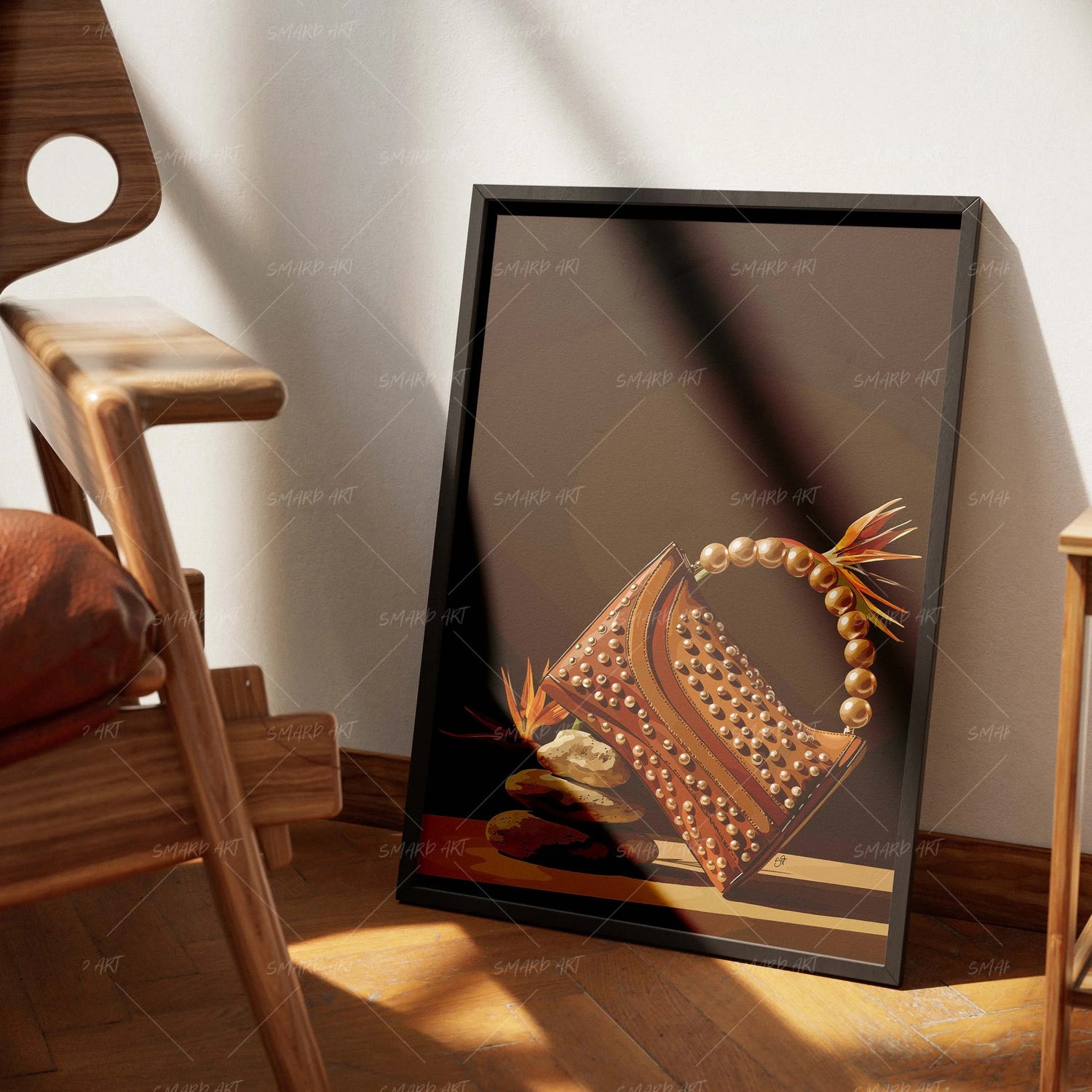
Arranging wall art above furniture is one of the most common decorating challenges homeowners face. Whether hanging art above a sofa, bed, console table, or dining buffet, proper placement is essential for achieving balance and visual harmony.
When art is placed too high, too small, or poorly spaced, it can disrupt the design of a room. However, by following a few simple principles, anyone can arrange artwork above furniture like a professional designer.
Here are five tips to help create a balanced and visually appealing display.
1. Keep the Artwork Proportional to the Furniture
The size of the artwork should relate to the furniture below it. A common guideline used by interior designers is that the artwork should be about two-thirds the width of the furniture.
For example:
- Above a large sofa, choose a large single piece or a group of frames that span most of the sofa’s width.
- Above a narrow console table, a medium-sized piece or two smaller pieces may be more appropriate.
Matching scale ensures that the art and furniture feel connected rather than visually separate.
2. Maintain the Right Height
One of the most common mistakes people make is hanging artwork too high.
When placing art above furniture, the bottom of the artwork should sit approximately 6–8 inches above the furniture. This keeps the artwork visually tied to the piece below it.
If the art is hung much higher, it can feel disconnected and float awkwardly on the wall.
Keeping artwork close to furniture creates a cohesive design.
3. Use a Single Statement Piece or a Balanced Group
There are two main approaches to arranging art above furniture.
The first is using a single large statement piece that becomes the focal point of the room. This approach works well in modern interiors where simplicity is preferred.
The second approach is creating a small grouping of artworks. In this case, arrange pieces in a way that forms a cohesive shape, such as a rectangle or square.
Balanced groupings maintain visual order and prevent clutter.

4. Align the Arrangement With the Furniture
The arrangement should visually align with the furniture below it.
For example:
-
Center the artwork above the sofa or bed.
-
Align groupings with the edges of the furniture rather than extending too far beyond them.
-
Maintain equal spacing between frames.
Alignment reinforces symmetry and makes the design appear intentional.
5. Consider the Room’s Overall Style
The style of the artwork should complement the surrounding décor.
- Modern interiors often feature minimalist frames and bold abstract pieces.
- Traditional spaces may include classic paintings with ornate frames.
- Eclectic spaces mix different styles while maintaining color harmony.
Matching artwork style with interior design ensures a cohesive and polished look.
Final Thoughts
Arranging wall art above furniture is an essential part of interior design. When done correctly, it creates balance, emphasizes focal points, and enhances the overall aesthetic of a room.
By considering scale, height, grouping, alignment, and style, homeowners can confidently display artwork in ways that elevate their spaces.
Thoughtful placement transforms walls into meaningful design elements that complement both furniture and the room as a whole.

Leave a comment
This site is protected by hCaptcha and the hCaptcha Privacy Policy and Terms of Service apply.