


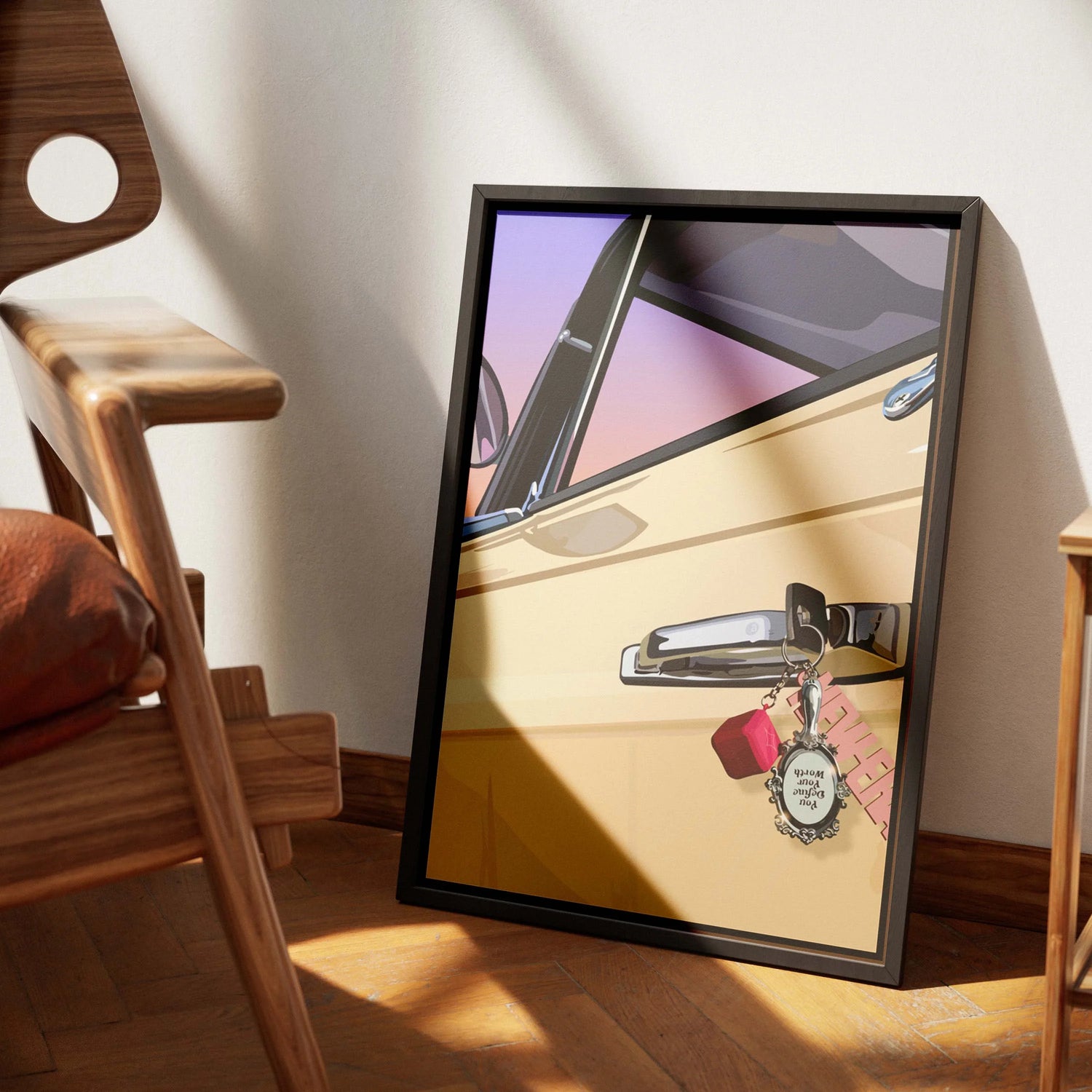
Decorating small spaces can feel challenging, especially when it comes to wall art. Many homeowners worry that artwork might overwhelm a compact room or make the space feel cluttered. However, the right wall art can actually enhance small rooms, making them appear more spacious, stylish, and thoughtfully designed.
Choosing the perfect wall art for small spaces requires careful attention to scale, color, placement, and design. When done correctly, artwork can transform a small room into a visually balanced and inviting environment.
Understand the Importance of Scale
Scale is one of the most important factors when selecting wall art for small spaces. Artwork that is too large may dominate the room, while pieces that are too small may appear insignificant.
The goal is to find artwork that complements the size of the wall without overwhelming it.
For example, a medium-sized piece centered above a small sofa or desk can create a balanced focal point. Alternatively, a vertical piece of artwork can work well on narrow walls, drawing the eye upward and making the room appear taller.
Choosing art with the right scale ensures that the room feels cohesive and visually comfortable.
Use Light and Neutral Colors
Color plays a significant role in how a room feels. In small spaces, lighter colors can make walls feel more open and airy.
Wall art featuring soft tones such as whites, pastels, light blues, and subtle earth tones helps create the illusion of more space. These colors reflect light and make the room feel brighter.
On the other hand, extremely dark or heavily saturated pieces may make a small room feel more enclosed unless balanced with lighter surroundings.
Selecting artwork with a balanced color palette ensures that the space remains open and inviting.
Choose Art That Creates Depth
Artwork can also create visual depth, which is especially beneficial in smaller rooms.
Pieces featuring landscapes, abstract layers, or perspective can make a wall appear farther away than it actually is. This illusion of depth helps expand the perceived size of the room.
For example, a painting of a distant horizon or a cityscape can give the impression that the room extends beyond the wall.
This subtle visual trick is commonly used by interior designers to enhance compact interiors.

Consider Vertical Artwork
Vertical artwork is particularly effective in small rooms because it emphasizes height rather than width.
Tall, narrow pieces draw the eye upward, making ceilings appear higher. This creates a sense of vertical space even in rooms with limited floor area.
Hallways, entryways, and small bedrooms are ideal places for vertical artwork. A single tall piece or a stack of smaller frames arranged vertically can achieve this effect beautifully.
By focusing on height, the room gains a sense of openness and balance.
Use Gallery Walls Carefully
Gallery walls can work in small spaces, but they must be designed thoughtfully to avoid clutter.
Instead of filling an entire wall with numerous frames, select a small group of coordinated pieces. Keeping frames similar in style or color helps maintain visual harmony.
Spacing between frames should remain consistent—typically around two to three inches—to keep the arrangement organized.
A well-planned gallery wall can add personality while still maintaining a clean aesthetic.
Position Art Strategically
Placement matters just as much as the artwork itself.
In small spaces, positioning artwork at eye level helps create a natural visual flow. The center of the piece should generally sit around 57 to 60 inches from the floor.
When hanging art above furniture, such as a sofa or console table, leave approximately six to eight inches between the furniture and the bottom of the frame. This keeps the art visually connected to the furniture.
Strategic placement ensures the artwork enhances the room rather than feeling disconnected from it.
Choose Meaningful Pieces
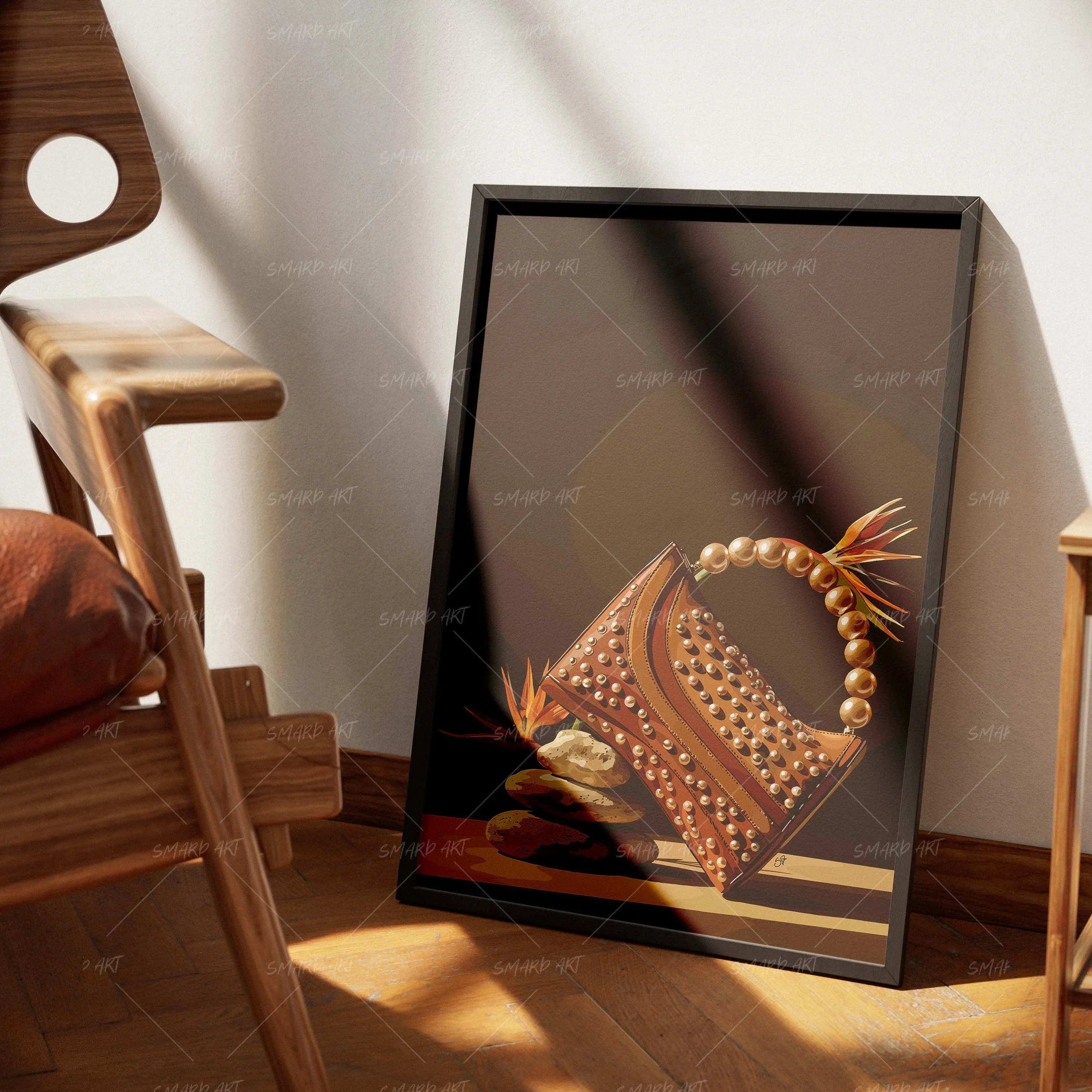
Because small spaces have limited wall area, each piece of art becomes more significant. Choosing artwork that reflects personal interests, culture, or experiences adds emotional value to the space.
Meaningful art creates stronger visual impact than purely decorative pieces.
Whether it is a cultural print, an abstract painting, or a photograph from a memorable place, meaningful artwork transforms small spaces into expressive environments.
Final Thoughts
Small spaces offer unique opportunities for creative design. The right wall art can make a room feel larger, brighter, and more inviting.
By considering scale, color, depth, placement, and personal significance, homeowners can transform even the smallest rooms into beautifully curated spaces.
Thoughtfully chosen artwork ensures that small spaces feel intentional and stylish rather than limited.


Leave a comment
This site is protected by hCaptcha and the hCaptcha Privacy Policy and Terms of Service apply.