


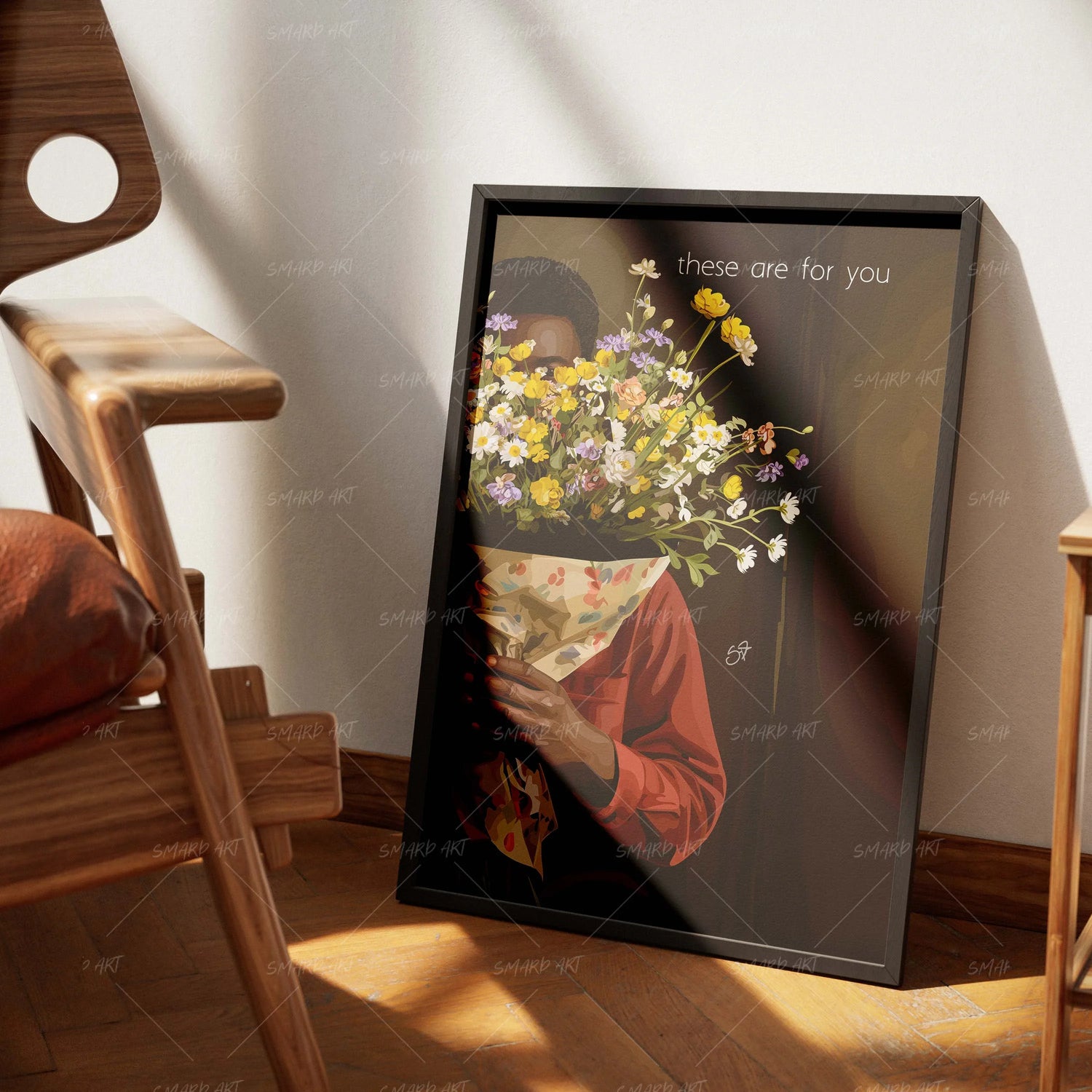
Selecting the right wall art can transform a room, but one of the most common decorating mistakes people make is choosing artwork that is the wrong size. A piece that is too small may disappear on a large wall, while artwork that is too large can overwhelm a room. Understanding how to choose the right size wall art ensures that your space feels balanced, stylish, and thoughtfully designed.
Interior designers often emphasize that wall art should feel like a natural extension of the room rather than an afterthought. When artwork is properly sized and placed, it enhances the overall design while creating a focal point that draws attention.
Understanding Wall Proportions
Before choosing wall art, it is important to evaluate the size of the wall itself. Large, empty walls typically require larger pieces or multiple artworks to create visual balance. Small walls, on the other hand, benefit from medium or smaller pieces that complement the space without crowding it.
A helpful guideline is that artwork should take up approximately 60 to 75 percent of the available wall space. This rule ensures that the artwork feels substantial enough to make an impact while leaving enough negative space around it.
For example, if a wall section measures 100 inches wide, artwork that spans roughly 60 to 75 inches will often look most balanced.
Considering Furniture Placement
Many pieces of wall art are displayed above furniture such as sofas, beds, desks, or console tables. In these cases, the artwork should relate to the furniture beneath it.
Interior designers often recommend that artwork above furniture should be about two-thirds the width of the furniture. This proportion ensures that the artwork visually connects with the furniture while maintaining balance.
For instance, if a sofa measures 90 inches wide, artwork around 60 inches wide will typically look harmonious above it.
Maintaining these proportions helps create a cohesive relationship between the art and the furniture below.
Large Statement Pieces
Large statement artwork has become increasingly popular in modern interior design. Instead of using multiple smaller pieces, many homeowners choose a single large piece that acts as a focal point.
Large art pieces work especially well in:
- Living rooms
- Dining rooms
- Bedrooms
- Entryways
A large piece of art can instantly elevate a room, making it feel sophisticated and curated. Statement pieces also simplify decorating because one strong artwork can define the entire visual atmosphere of the space.

Creating Gallery Walls
Gallery walls are another excellent option for larger spaces. Instead of one large piece, multiple smaller artworks are arranged together to create a unified display.
The key to a successful gallery wall is organization. Even though multiple pieces are used, they should form a clear overall shape such as a rectangle or square.
Consistent spacing between frames—usually two to three inches—helps maintain visual harmony. Frames can be identical for a clean modern look or varied for a more eclectic aesthetic.
Gallery walls work particularly well in hallways, staircases, and living rooms where larger wall areas are available.
Vertical vs Horizontal Art
The orientation of artwork also plays an important role in achieving balance.
Horizontal artwork works well above wide furniture such as sofas and beds. It mirrors the shape of the furniture and helps create visual stability.
Vertical artwork, on the other hand, works best on narrow walls or in spaces where height should be emphasized. Tall artwork can make ceilings appear higher and add elegance to smaller rooms.
Choosing the right orientation helps reinforce the proportions of the room.
Measuring Before Hanging
Proper measurement is essential when selecting wall art. Before purchasing or hanging artwork, it is helpful to measure the wall space and plan placement carefully.
Many designers recommend using painter’s tape to outline the dimensions of artwork on the wall before committing to placement. This allows homeowners to visualize how the art will look within the room.
Taking the time to measure ensures that the artwork fits perfectly within the space.
The Importance of Balance
Ultimately, the goal of wall art is to enhance the balance and atmosphere of a room. Properly sized artwork brings harmony to the space while drawing attention in a natural and appealing way.
Whether choosing a single statement piece or arranging multiple artworks, thoughtful sizing and placement can dramatically improve the appearance of a room.
Final Thoughts
Choosing the right size wall art is one of the most important elements of interior design. When artwork is properly scaled to the wall and furniture around it, the entire room feels more intentional and visually balanced.
By considering wall proportions, furniture placement, orientation, and spacing, homeowners can confidently select artwork that enhances their living spaces while creating lasting visual impact.

Leave a comment
This site is protected by hCaptcha and the hCaptcha Privacy Policy and Terms of Service apply.