


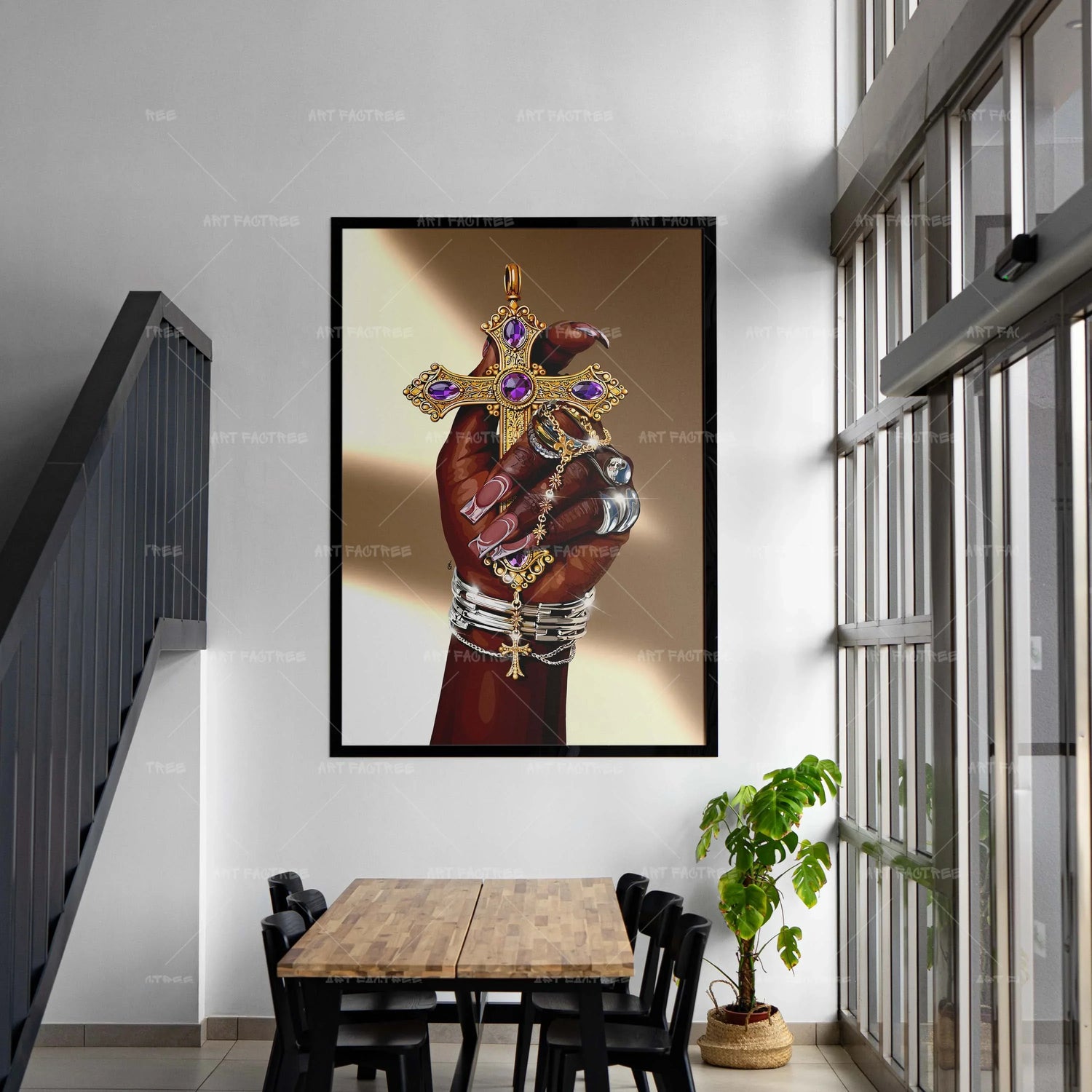
Workspaces are not neutral.
They communicate values, hierarchy, and belonging through layout, language, and design. What is displayed on the walls sends a message about who is seen, who is valued, and who belongs.
Black History wall art belongs in workspaces because culture does not pause at the office door.
The Myth of “Neutral” Professional Spaces
Many workspaces aim for neutrality — minimal design, abstract art, or generic imagery intended to avoid discomfort.
But neutrality often results in invisibility.
When cultural history is absent, it does not create equality — it reinforces default norms.
Wall art helps correct that imbalance.
1. Representation Signals Belonging Without Policy
Inclusion policies matter — but environment speaks first.
Black History wall art communicates:
- Recognition without explanation
- Inclusion without performance
- Belonging without qualification
Employees do not need to ask whether their identity is welcome. The walls answer that question.
2. Cultural Visibility Fuels Creativity and Innovation
Creativity thrives in environments where people feel seen.
When cultural narratives are acknowledged visually, it encourages:
- Broader perspectives
- Psychological safety
- Willingness to contribute ideas
Innovation benefits from diversity — but only when diversity is supported by environment, not just rhetoric.
3. Workspaces Shape Cultural Memory
Work is where adults spend a significant portion of their lives.
What is present in these spaces contributes to collective memory — shaping what feels normal, valuable, and worthy of recognition.
Black History wall art ensures that cultural contributions are not relegated to history books alone, but acknowledged in contemporary life.
Beyond Optics: Authentic Integration
Token displays are easily recognized.
Authentic inclusion through wall art:
- Aligns with organizational values
- Appears consistently, not seasonally
- Respects cultural depth
The goal is not decoration — it is integration.
Why This Matters for Leadership
Leadership is reinforced through environment.
When leaders choose to display Black history, it communicates:
- Awareness
- Responsibility
- Commitment
This visual leadership builds trust more effectively than statements alone.
From Productivity to Purpose
Employees are more engaged when they feel their identities are not compartmentalized.
Wall art contributes to a sense of purpose — reminding people that their work exists within a broader cultural context.
Purpose sustains motivation.
The Long-Term Impact on Workplace Culture
Over time, representation becomes expectation.
New employees absorb cultural cues immediately. Long-term employees feel validated. The workplace culture shifts subtly but meaningfully.
Walls help shape norms.
Final Reflection
Workspaces tell stories.
When Black History wall art is present, those stories expand — making room for inclusion, creativity, and cultural truth.
Professionalism does not require erasure.
It requires respect.



Leave a comment
This site is protected by hCaptcha and the hCaptcha Privacy Policy and Terms of Service apply.