


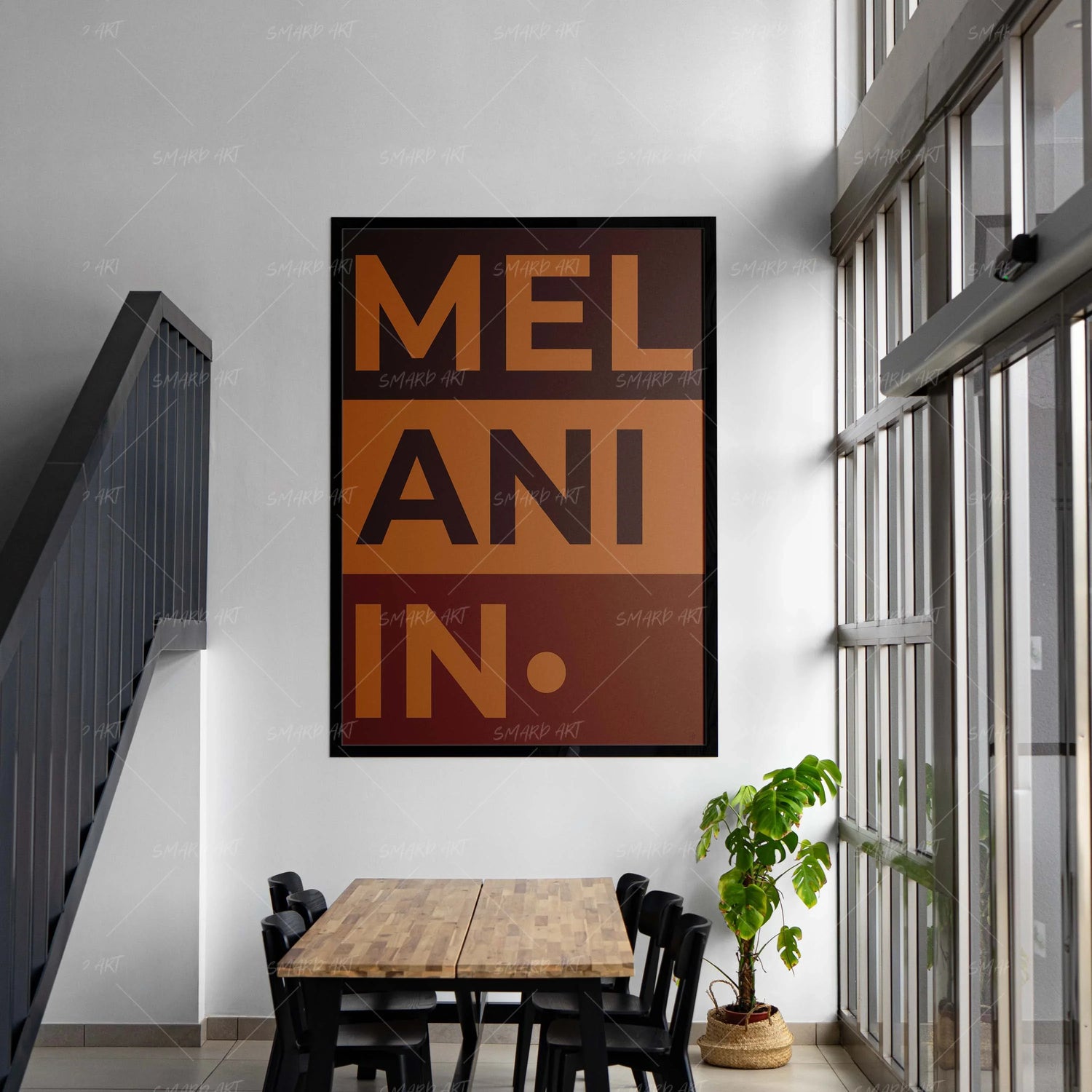
Interior design is often thought of in terms of furniture, color schemes, and layout, but one of the most impactful elements is frequently overlooked—wall art. While walls may seem like a background feature, they play a central role in shaping how a space looks and feels. Wall art transforms these empty surfaces into meaningful and visually engaging parts of the home.
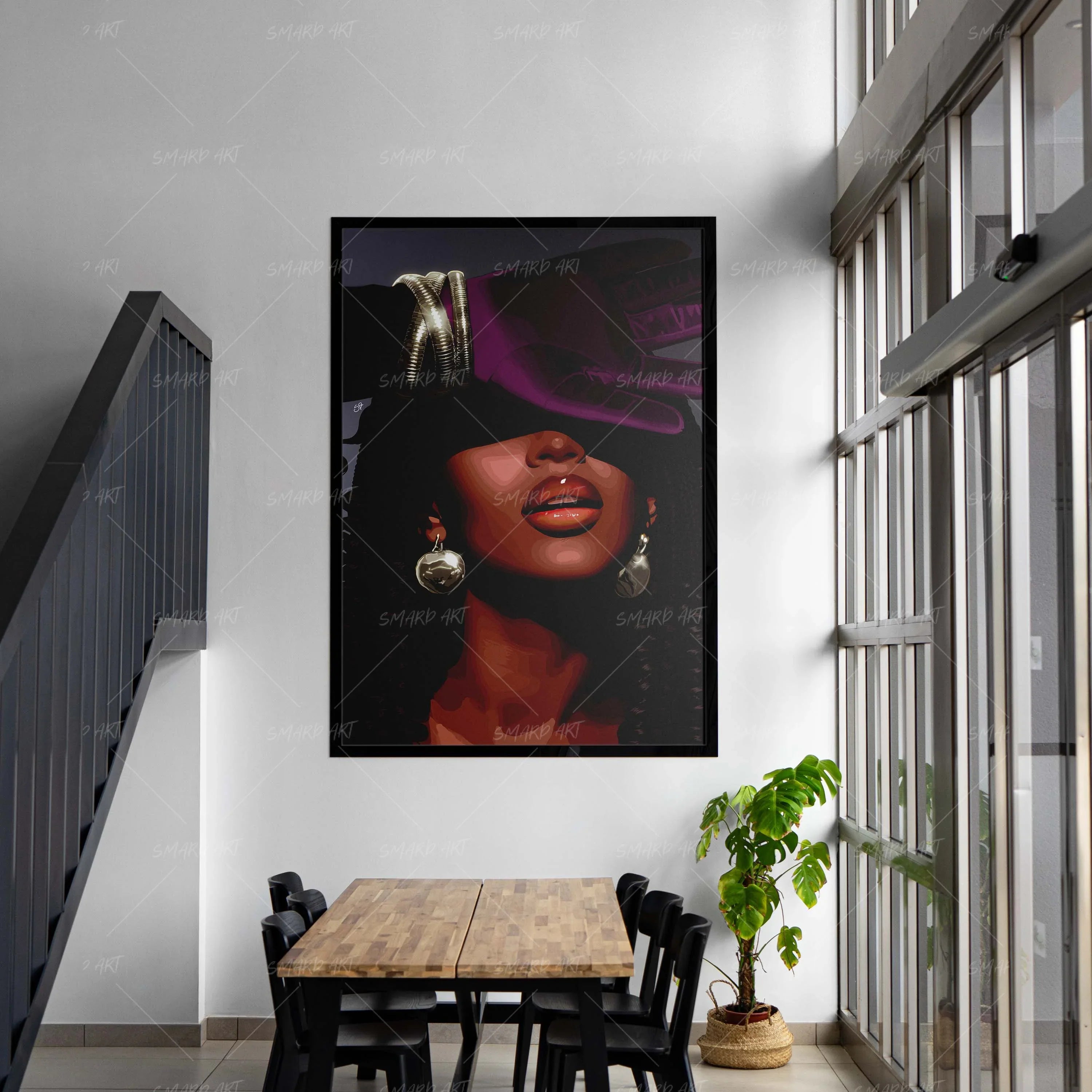
One of the primary reasons wall art is essential in interior design is its ability to create a focal point. Every well-designed room needs a visual anchor, something that immediately draws attention and defines the space. Wall art serves this purpose effectively, guiding the eye and establishing a sense of structure within the room.
Beyond aesthetics, wall art adds personality. A home should reflect the identity of those who live in it, and artwork provides a powerful way to express that identity. Whether through abstract designs, cultural themes, or personal imagery, wall art allows individuals to showcase their taste and experiences.
Wall art also contributes to balance within a space. Without it, walls can feel empty and incomplete, making the room appear unfinished. Artwork fills these gaps, creating a sense of completeness and cohesion. It connects different elements within the room, ensuring that everything works together harmoniously.
Color integration is another important function of wall art. Artwork can introduce new colors or reinforce existing ones, helping to unify the overall design. A well-chosen piece can tie together furniture, décor, and architectural elements, creating a consistent and polished look.
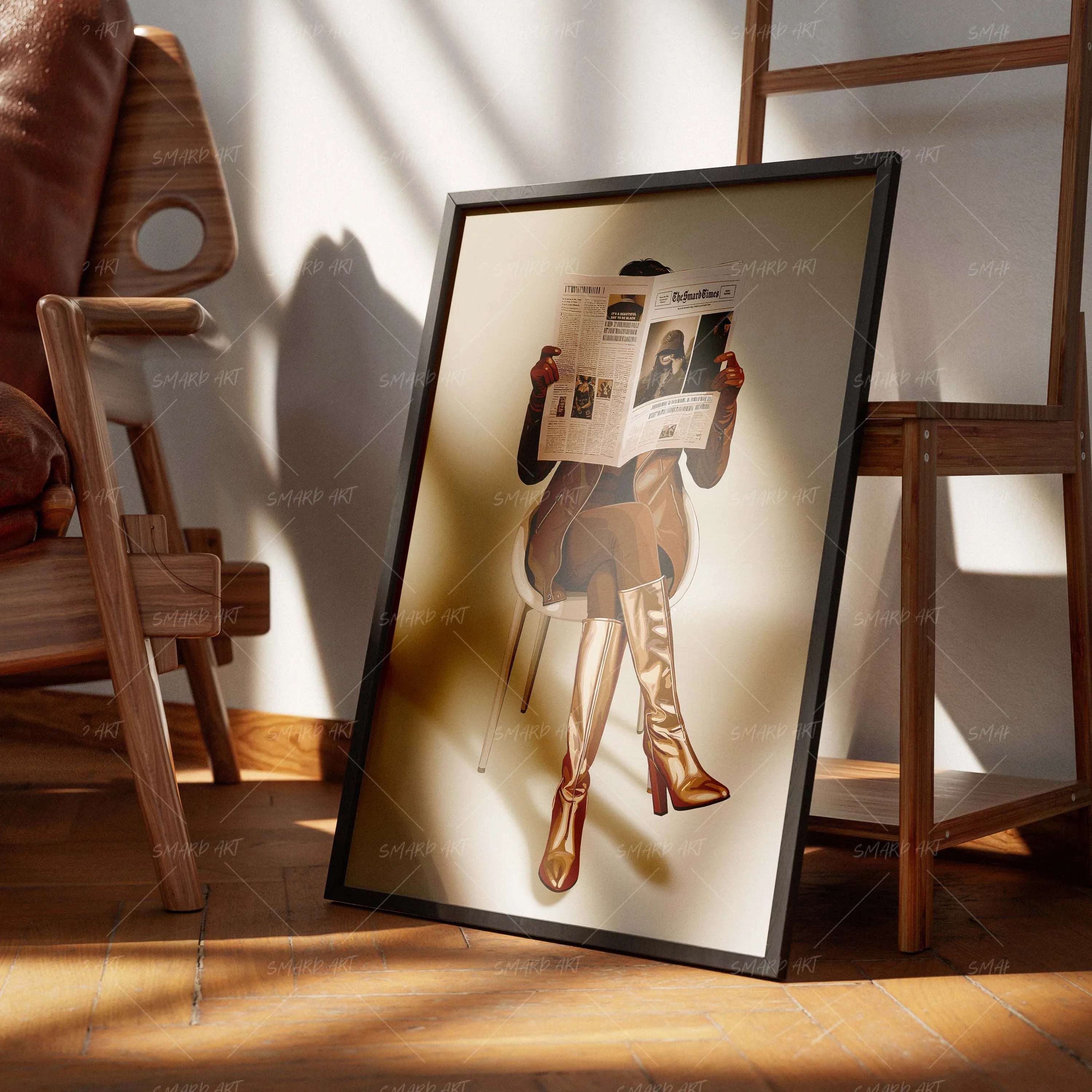
Texture and depth are additional benefits. While furniture and accessories provide some level of variation, wall art introduces visual layers that enhance the overall design. Textured pieces, in particular, can make a room feel more dynamic and engaging.

Wall art also influences mood. The type of artwork chosen can evoke specific emotions, shaping how a space is experienced. Calm and neutral pieces can create a relaxing environment, while bold and vibrant works can energize a room. This emotional impact makes wall art an essential tool in designing spaces that feel comfortable and inviting.
Another important aspect is versatility. Wall art can be easily changed or updated, allowing homeowners to refresh their spaces without major renovations. This flexibility makes it a practical and cost-effective way to keep interiors looking current and interesting.
In commercial and office spaces, wall art plays a similar role. It enhances the environment, reflects brand identity, and creates a more engaging atmosphere for both employees and visitors. A well-designed space can improve productivity and leave a lasting impression.
Lighting further enhances the importance of wall art. Proper illumination can highlight details, create contrast, and elevate the overall appearance of the artwork. When combined with thoughtful placement, lighting ensures that wall art becomes a standout feature.
Ultimately, wall art is not just an accessory—it is a fundamental component of interior design. It bridges the gap between functionality and aesthetics, transforming spaces into environments that feel complete and intentional.
A well-designed space is one that engages the senses and reflects individuality. Wall art plays a crucial role in achieving this, turning empty walls into expressions of style, creativity, and identity.

Leave a comment
This site is protected by hCaptcha and the hCaptcha Privacy Policy and Terms of Service apply.