


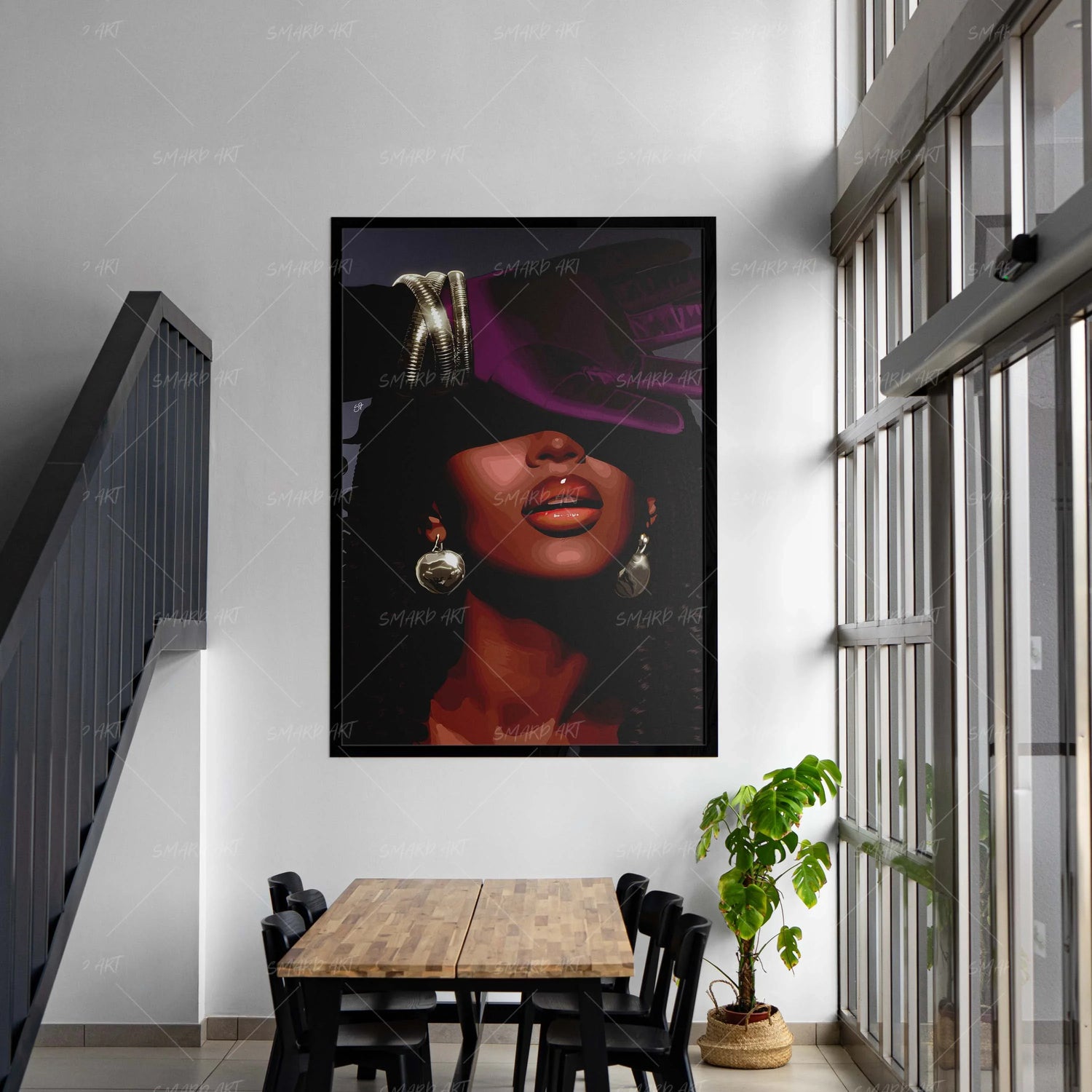
Choosing the right wall art size is one of the most important decisions in decorating a space. Even the most beautiful artwork can feel out of place if the size is not appropriate for the wall or surrounding furniture. Getting the proportions right ensures that the artwork enhances the room rather than disrupting its balance.
The first step in selecting the correct size is to consider the wall itself. Large empty walls require artwork that can fill the space effectively, while smaller walls benefit from more compact pieces. A common mistake is choosing artwork that is too small, which can make the wall look unfinished and disconnected.
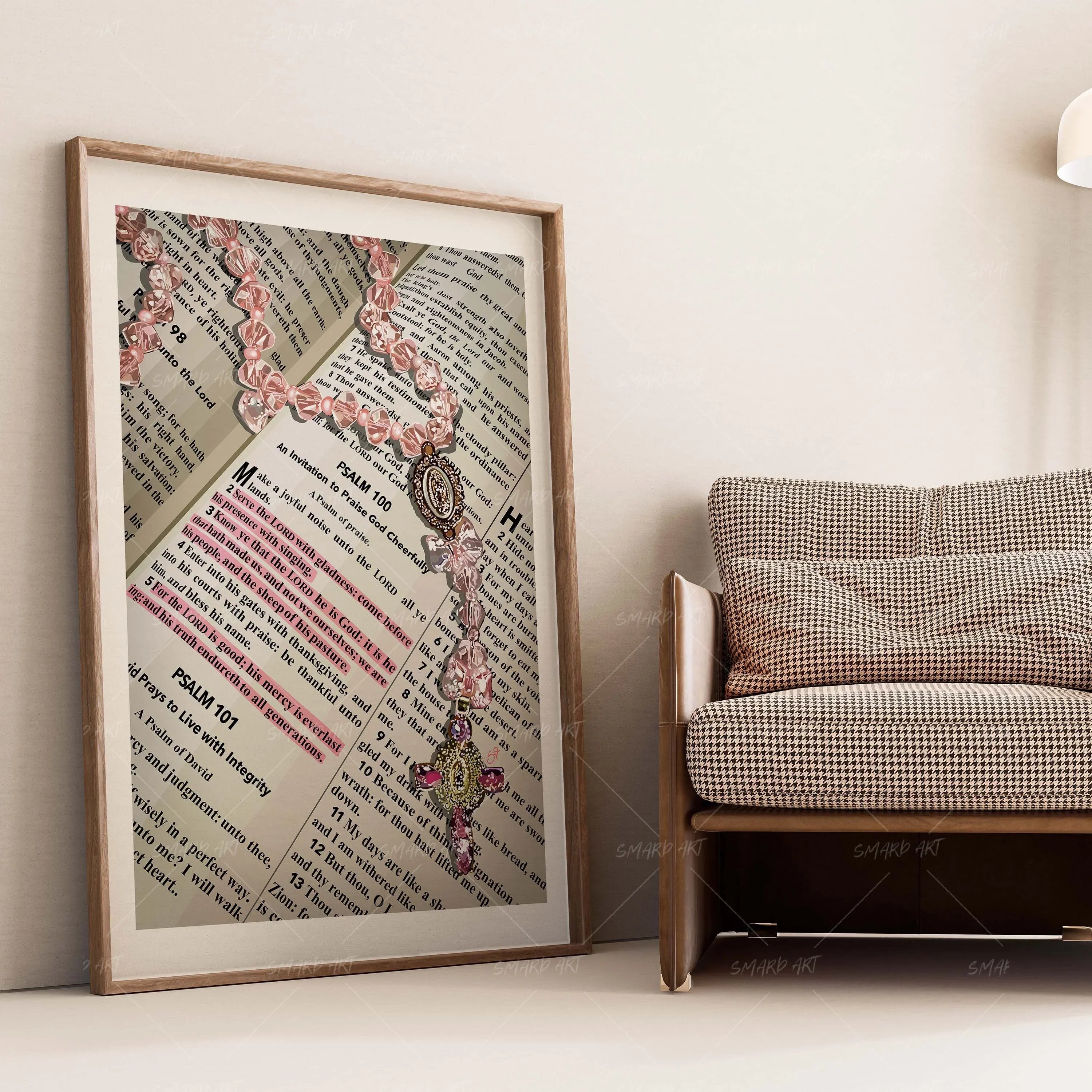
When placing art above furniture, such as a sofa, bed, or console table, proportion becomes even more important. A general guideline is that the artwork should span a significant portion of the furniture’s width. This creates a sense of connection between the art and the furniture, making the arrangement feel cohesive.
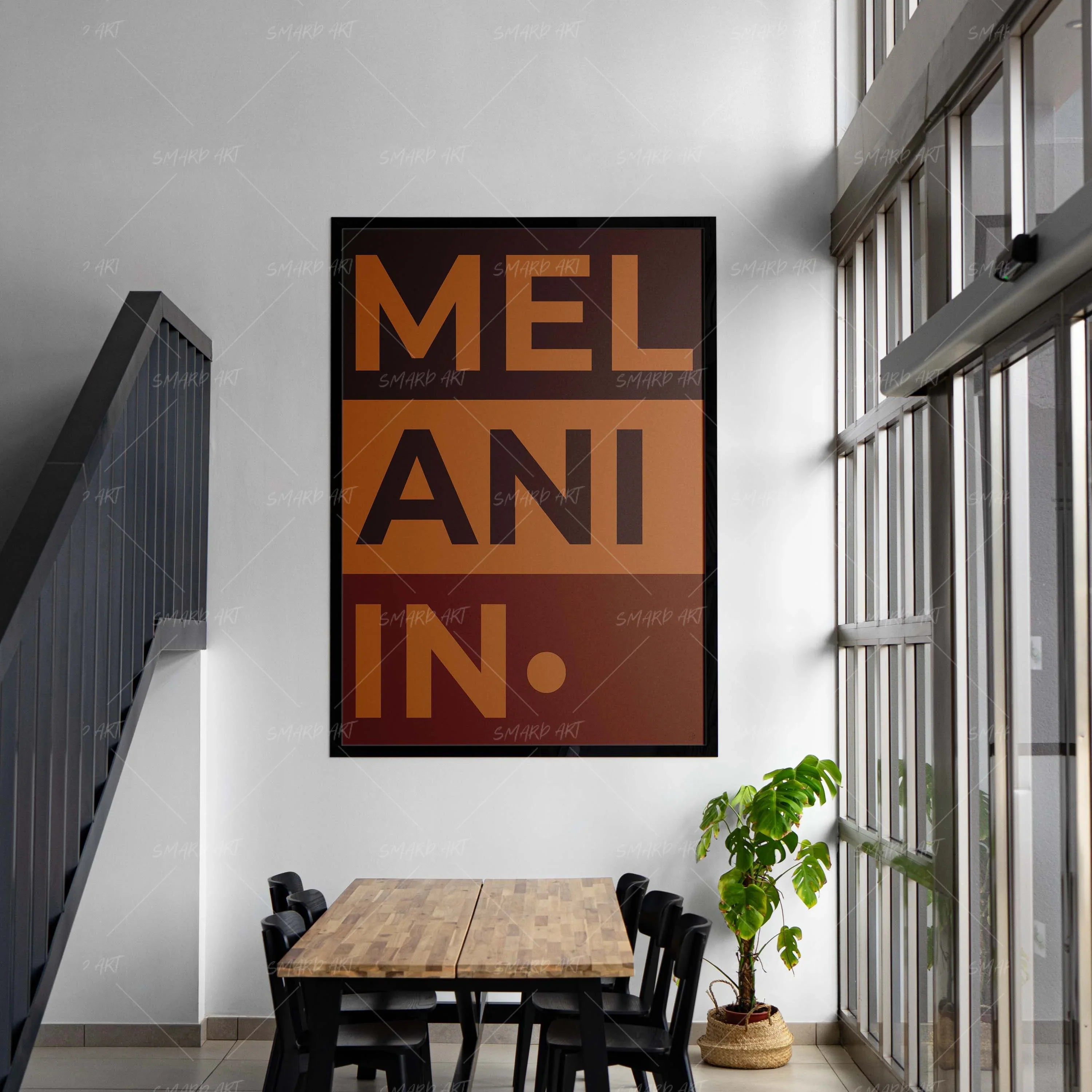
For large walls, oversized artwork can make a powerful statement. A single large piece can serve as a focal point, simplifying the design while still creating impact. This approach works particularly well in modern interiors, where clean lines and minimalism are preferred.
Alternatively, multiple smaller pieces can be arranged to create a gallery-style display. This approach allows for more creativity and personalization, as different artworks can be combined to tell a visual story. The key is to maintain consistent spacing and alignment to avoid a cluttered appearance.
Height placement is another crucial factor. Artwork should generally be hung at eye level to ensure comfortable viewing. When multiple pieces are involved, the overall arrangement should be treated as a single unit, with its center aligned at eye level.

Spacing between pieces also affects the overall look. Too much space can make the arrangement feel disconnected, while too little can make it appear crowded. Balanced spacing creates a clean and organized appearance.
Room size and ceiling height should also influence your choice. High ceilings can accommodate taller or vertically oriented artwork, while smaller rooms may benefit from horizontal pieces that create a sense of width.
Another important consideration is the function of the room. In living rooms, larger and more impactful pieces often work best, while bedrooms may require softer and more proportionate designs. Offices can benefit from medium-sized artwork that enhances the space without becoming distracting.
Mocking up the size before purchasing can be helpful. Using tape or paper to outline the dimensions on the wall provides a visual reference, making it easier to determine whether the size works within the space.
Ultimately, choosing the right wall art size is about achieving balance. The artwork should feel integrated into the room, complementing the furniture and layout rather than competing with it.
A well-proportioned space feels complete and visually pleasing. By selecting the right size, you ensure that your wall art enhances the overall design, creating a harmonious and inviting environment.

Leave a comment
This site is protected by hCaptcha and the hCaptcha Privacy Policy and Terms of Service apply.