


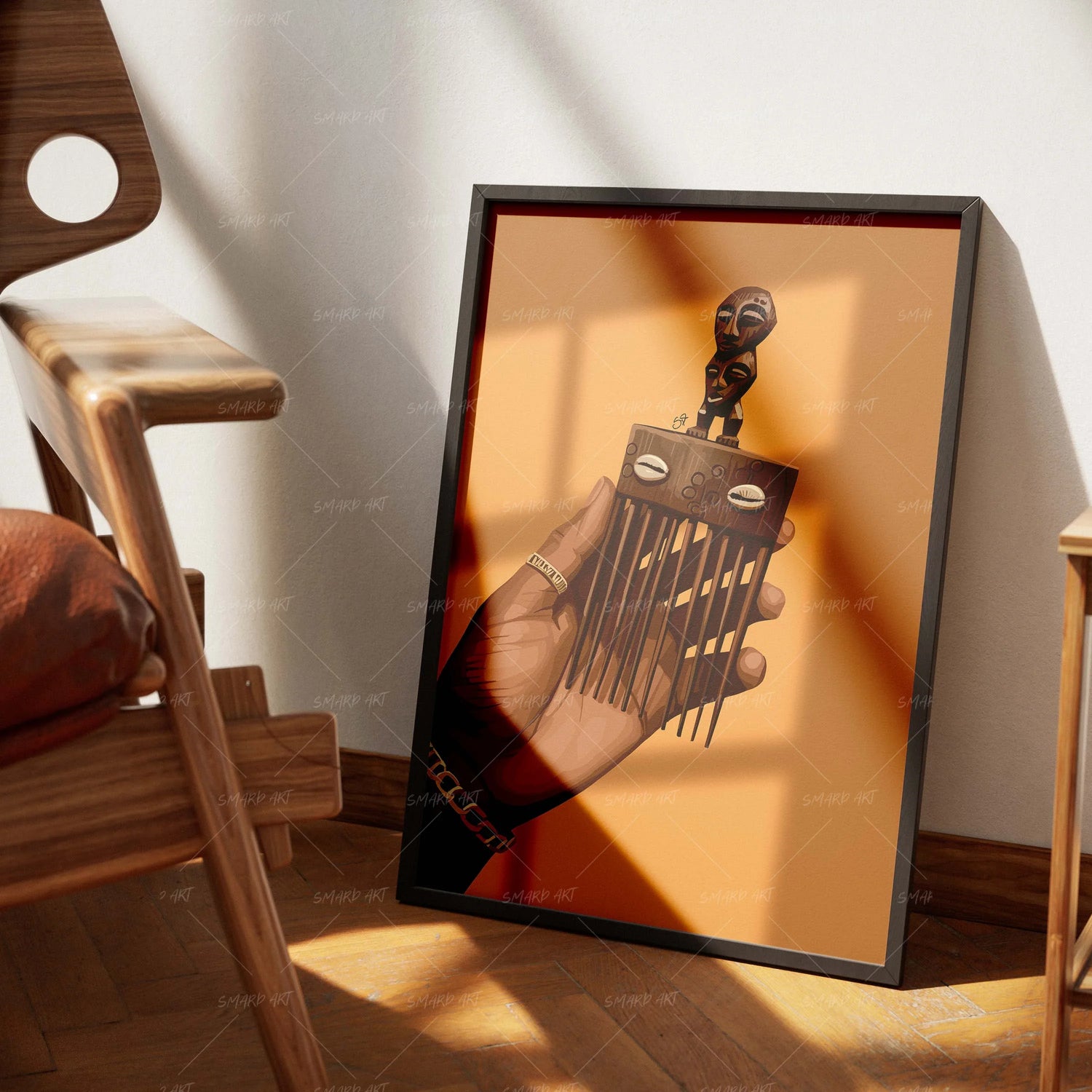
Walk into an older home and you’ll often find one thing that has survived multiple renovations, furniture changes, and trends: a specific piece of wall art. It may not be the most expensive item in the house, but it carries weight, memory, and emotional gravity. This is the difference between wall art that decorates and wall art that endures.
So why does some wall art become a family heirloom while other pieces are quietly replaced or discarded?
1. Heirloom Wall Art Tells a Story
The strongest heirloom pieces aren’t chosen randomly. They often represent:
- A life milestone
- A turning point in a family’s history
- A shared emotional experience
Wall art becomes meaningful when it’s attached to memory. A piece purchased during a first home move, a major achievement, or a new beginning often takes on symbolic value. Over time, the story behind the art becomes as important as the visual itself.
At Smard.art, many collectors choose wall art not just because it fits a room, but because it reflects a moment in their lives.
2. Timeless Design Outlives Trends
Trendy art often ages quickly. Heirloom art, however, has qualities that resist time:
- Balanced composition
- Thoughtful use of contrast
- Emotional restraint rather than visual noise
Black wall art, in particular, has a timeless quality. It doesn’t shout for attention; it anchors a space. Its neutrality allows it to move across rooms, homes, and generations without feeling outdated.
This is why black wall art from Smard.art often becomes a long-term fixture rather than a seasonal choice.
3. Emotional Resonance Beats Price
Heirloom art is rarely about cost. Many priceless family pieces wouldn’t sell for much on the open market — yet they’re irreplaceable.
What matters is how the art makes people feel:
- Comfort
- Belonging
- Pride
- Reflection
When wall art evokes emotion consistently over time, it becomes woven into daily life. That emotional repetition builds attachment, which eventually becomes legacy.
4. Versatility Across Spaces Matters
Art that survives generations usually adapts easily. It can live in:
- Living rooms
- Hallways
- Bedrooms
- Offices
Black wall art works exceptionally well here. Its ability to complement different color palettes and furniture styles allows it to move as families move. Smard.art pieces are intentionally designed for this versatility.

5. The Role of Conversation
Heirloom art invites conversation:
- Guests ask about it
- Children grow up hearing its story
- Memories are reinforced through repetition
Once a piece becomes part of a family narrative, removing it feels like removing a chapter from a book.
Why Most Wall Art Doesn’t Last
On the other hand, art that fades away usually:
- Was chosen purely to match furniture
- Followed a short-lived trend
- Lacked emotional connection
- Was purchased without intention
There’s nothing wrong with decorative art, but without meaning, it rarely lasts.
How to Choose Wall Art That Endures
If you want art that may one day become an heirloom:
- Choose pieces that resonate emotionally, not just visually
- Avoid overly trend-driven designs
- Invest in timeless palettes, especially black wall art
- Let the art reflect who you are — not what’s popular
Smard.art exists for people who want their walls to hold meaning, not just color.
Final Thought
Heirloom wall art isn’t born — it’s created through intention, memory, and time. When art reflects identity and emotion, it becomes part of a family’s legacy. Long after furniture changes and styles evolve, meaningful wall art remains.

Leave a comment
This site is protected by hCaptcha and the hCaptcha Privacy Policy and Terms of Service apply.