


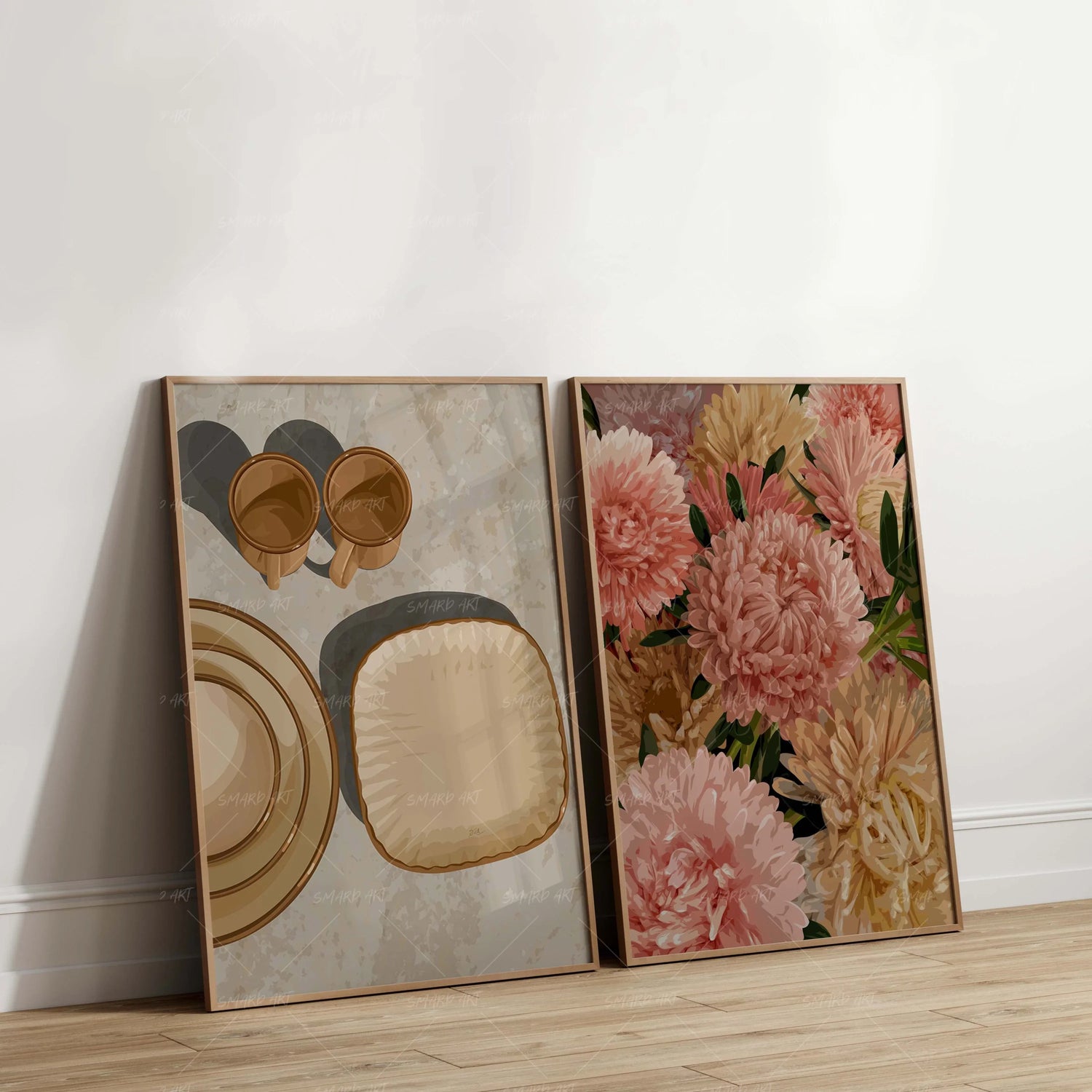
Why Color Contrast Matters More Than Size When Choosing Wall Art
When selecting wall art, size is important—but contrast is transformative. Many homeowners obsess over dimensions, yet overlook the element that truly defines visual impact: color contrast. Contrast determines how the artwork interacts with the room, the furniture, and the surrounding palette. Without the right contrast, even a large piece can feel invisible.
Below is a structured exploration of why color contrast carries more influence than size in interior styling.
1. Contrast Controls Visual Priority
Contrast determines what the eye sees first. High-contrast artwork immediately becomes a focal point, even if the piece is smaller. Low-contrast pieces blend into the wall, regardless of size.
High contrast creates clarity by:
- Anchoring the room
- Enhancing depth
- Directing attention purposefully
A medium-sized artwork with strong color contrast often outperforms oversized art that blends into the background.
2. Contrast Enhances Mood and Atmosphere
Color contrast shapes emotional tone more strongly than scale.
For example:
- Black-and-white art creates sophistication
- Warm contrast creates comfort
- Bold contrast creates energy
- Soft contrast creates calm
Contrast determines emotional presence, making it a more influential factor than physical dimensions.
3. Contrast Improves Balance With Furniture and Walls
Rooms can feel “off” when artwork is too similar to the wall color. Even a large piece disappears without proper contrast.
Strong contrast helps:
- Define the boundaries of the art
- Create separation between the wall and the piece
- Establish visual rhythm
SmardArt often recommends contrast-based pairing to ensure the artwork truly complements the room.

4. Contrast Highlights Details and Textures
Artwork with high contrast makes brushstrokes, line work, facial features, or abstract forms more noticeable. Low-contrast compositions can flatten out visually.
Detail visibility contributes to:
- Perceived quality
- Emotional expression
- Artistic depth
Contrast reveals character that size alone cannot.
5. Contrast Allows Smaller Art to Make Big Statements
A well-contrasted piece can perform the same visual job as a much larger artwork. This is valuable for:
- Small living rooms
- Apartments
- Narrow hallways
- Minimalist spaces
In small spaces, contrast is a more efficient tool than scale.
Conclusion
Size matters, but color contrast determines visibility, mood, emotional tone, balance, and artistic presence. When choosing wall art, prioritize contrast first—and size second.

Leave a comment
This site is protected by hCaptcha and the hCaptcha Privacy Policy and Terms of Service apply.