



Professional environments shape more than productivity.
They influence confidence, belonging, and how individuals experience their workday. What is displayed in these spaces communicates values, priorities, and culture.
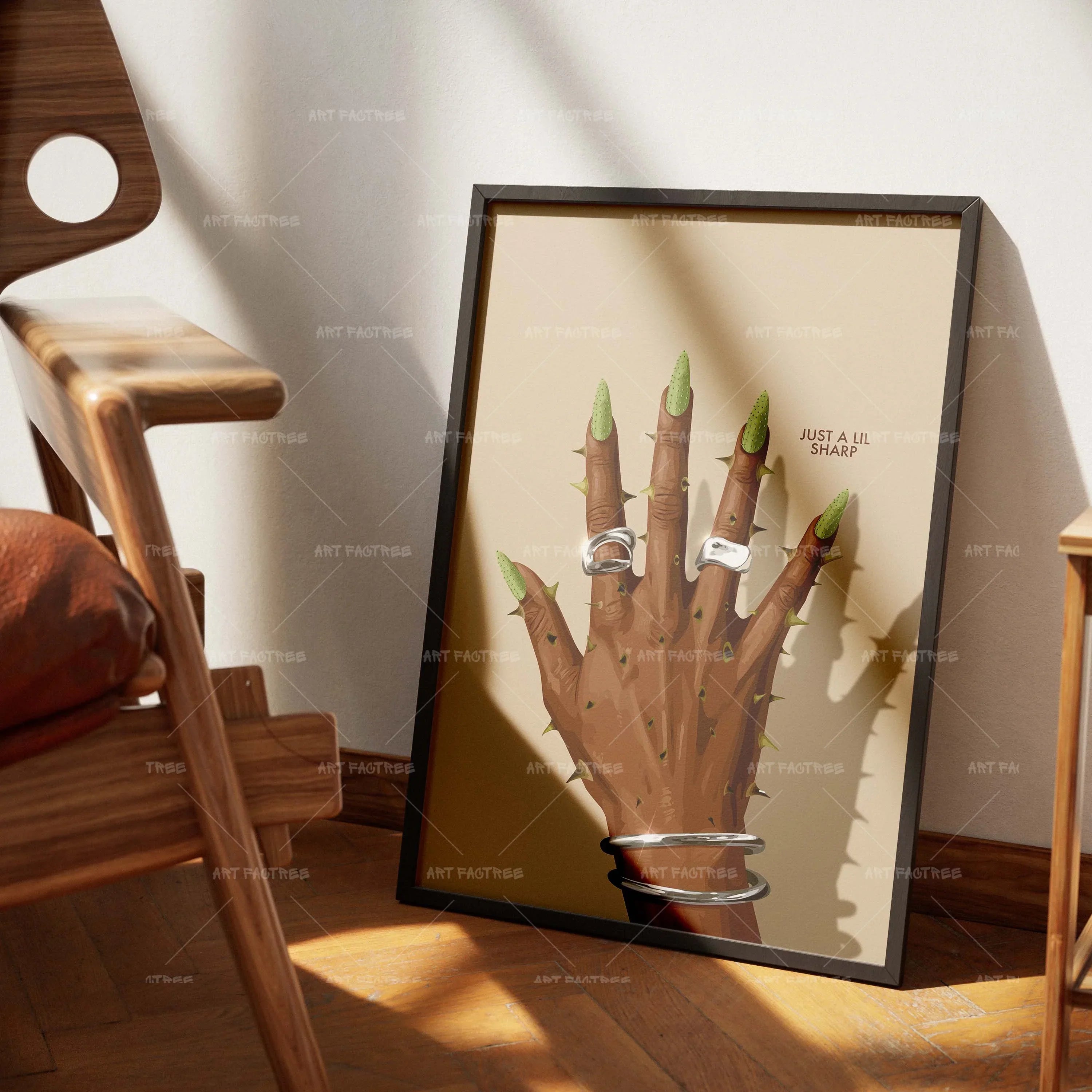
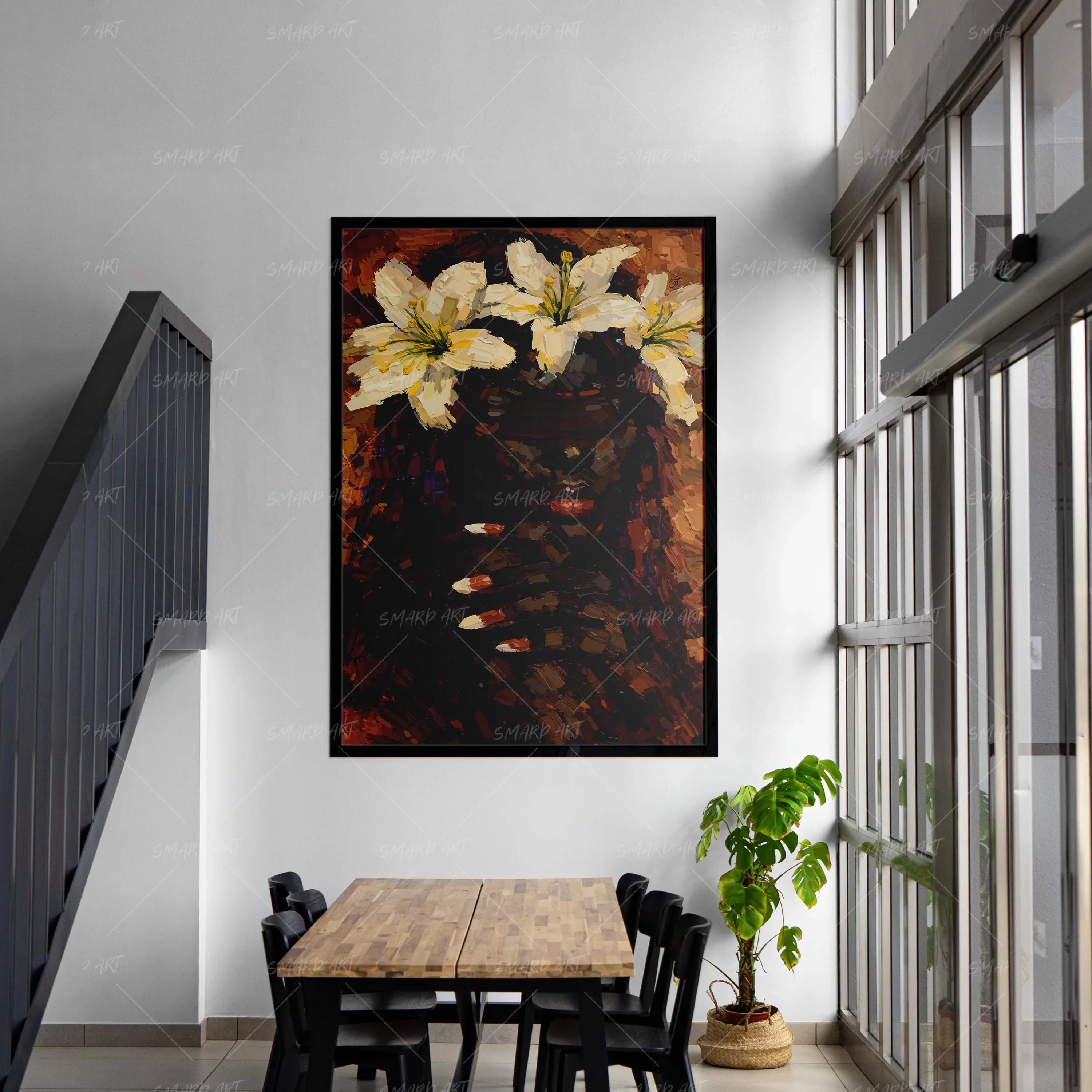
Black History wall art matters in professional spaces because representation influences workplace experience.
Visual Culture Reflects Workplace Values
Workplace visuals send messages.
When Black history is visible, it signals inclusion and awareness. When it is absent, it can reinforce silence or exclusion.
Representation communicates intention.
Creating Inclusive Work Environments
Inclusion is not only policy-based.
It is felt through environment. Wall art contributes to a sense of belonging by acknowledging diverse histories and identities.
Belonging improves engagement.
Supporting Employee Well-Being
Feeling seen affects performance.
Representation reduces emotional labor and stress, particularly for employees from underrepresented backgrounds. A culturally affirming environment supports mental well-being.
Well-being supports productivity.
Beyond Performative Inclusion
Authenticity matters.
Intentional wall art demonstrates long-term commitment rather than temporary gestures. It reflects values embedded into daily operations.
Consistency builds trust.

Encouraging Cultural Awareness
Workplaces are learning environments.
Wall art introduces history organically, encouraging curiosity and dialogue without forcing participation.
Learning happens naturally.
Strengthening Company Identity
Organizations are judged by their culture.
Wall art contributes to brand identity by aligning visual space with stated values of equity and respect.
Culture becomes visible.
Impact on Clients and Visitors
First impressions matter.
Visitors interpret visual cues quickly. Black History wall art communicates professionalism, awareness, and social responsibility.
Perception influences trust.
Fostering Respectful Dialogue
Art opens conversation.
Wall art can spark thoughtful discussion, helping teams engage with history and diversity in a non-confrontational way.
Dialogue strengthens understanding.
Long-Term Cultural Influence
Workplace culture shapes norms.
Repeated exposure to inclusive visuals helps normalize diversity, influencing attitudes over time.
Normalization drives change.
Final Reflection
Professional spaces are not neutral.
They either reinforce inclusion or undermine it. Black History wall art strengthens workplace culture by making values visible and identity respected.
What hangs on the wall shapes how people feel at work.

Leave a comment
This site is protected by hCaptcha and the hCaptcha Privacy Policy and Terms of Service apply.