


Recognition and creativity are not the same thing.
History often confuses the two.
For centuries, Black artists created without institutional support, mainstream galleries, or formal acknowledgment. Yet creativity didn’t slow down. In many cases, it intensified.
Why?
Because creativity was never dependent on permission.
Creativity as Necessity, Not Luxury
In many historical contexts, art is treated as luxury.
But for Black communities, art was necessity.
It served as:
- Emotional release
- Spiritual connection
- Social commentary
- Cultural continuity
When formal recognition was denied, expression became even more vital.
Innovation Outside the Mainstream
Exclusion from dominant institutions forced innovation.
Without access to traditional platforms, Black artists:
- Built their own spaces
- Created independent movements
- Developed unique visual languages
Harlem Renaissance.
Community murals.
Street art.
Portrait traditions.
Creativity didn’t wait for approval. It created parallel systems.
Why Suppression Often Strengthens Expression
When voices are restricted, expression finds alternative routes.
Art became:
- Louder in symbolism
- Richer in nuance
- Stronger in emotion
Creativity under pressure doesn’t disappear. It adapts.
The Power of Visual Boldness
Black art often carries boldness — not just in color or scale, but in emotional clarity.
It does not ask softly to exist.
It asserts presence.
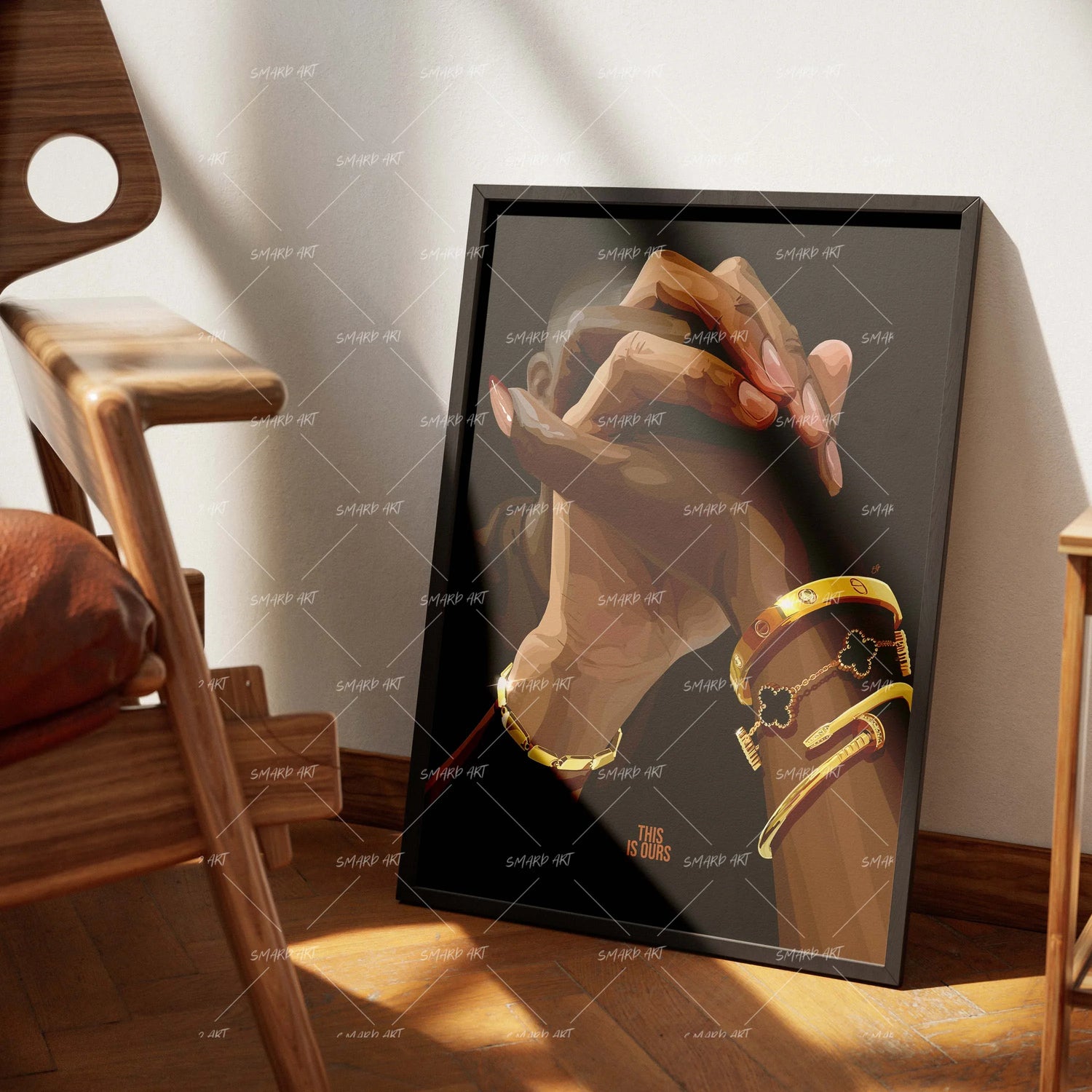
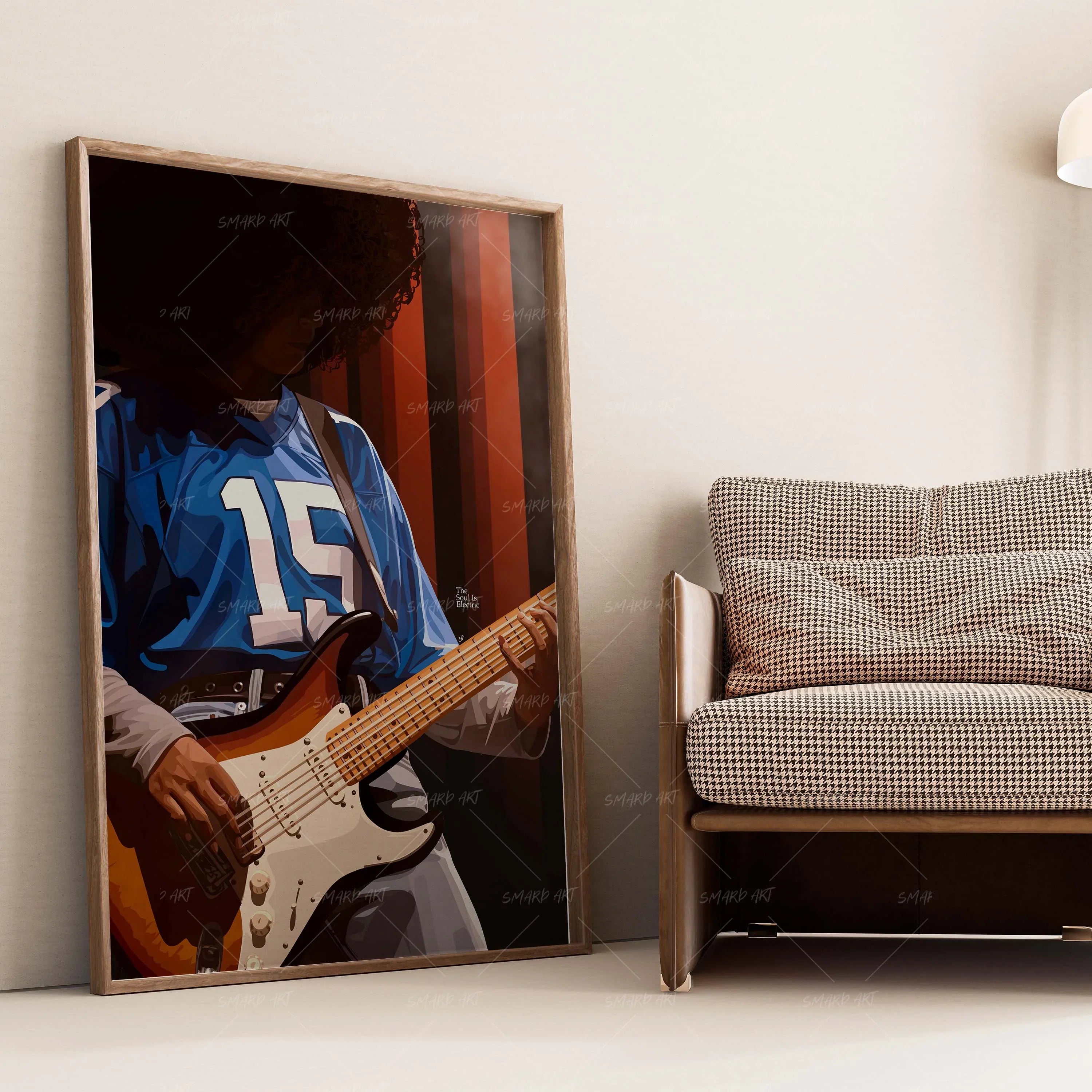
This boldness can be seen today in contemporary black wall art that anchors spaces confidently.

Recognition Came Late — But Creation Never Stopped
Many Black artists were recognized decades after their work was created.
Some were never fully recognized.
But recognition is external validation. Creation is internal necessity.
Creativity thrived because it was rooted in community, not applause.
Why Black History Month Must Go Beyond Recognition
Black History Month often highlights firsts, awards, and milestones.
Those are important.
But it’s equally important to recognize the creativity that existed long before acknowledgment arrived.
That creativity:
- Built cultural identity
- Preserved heritage
- Influenced global visual culture
Modern Homes and Creative Continuity
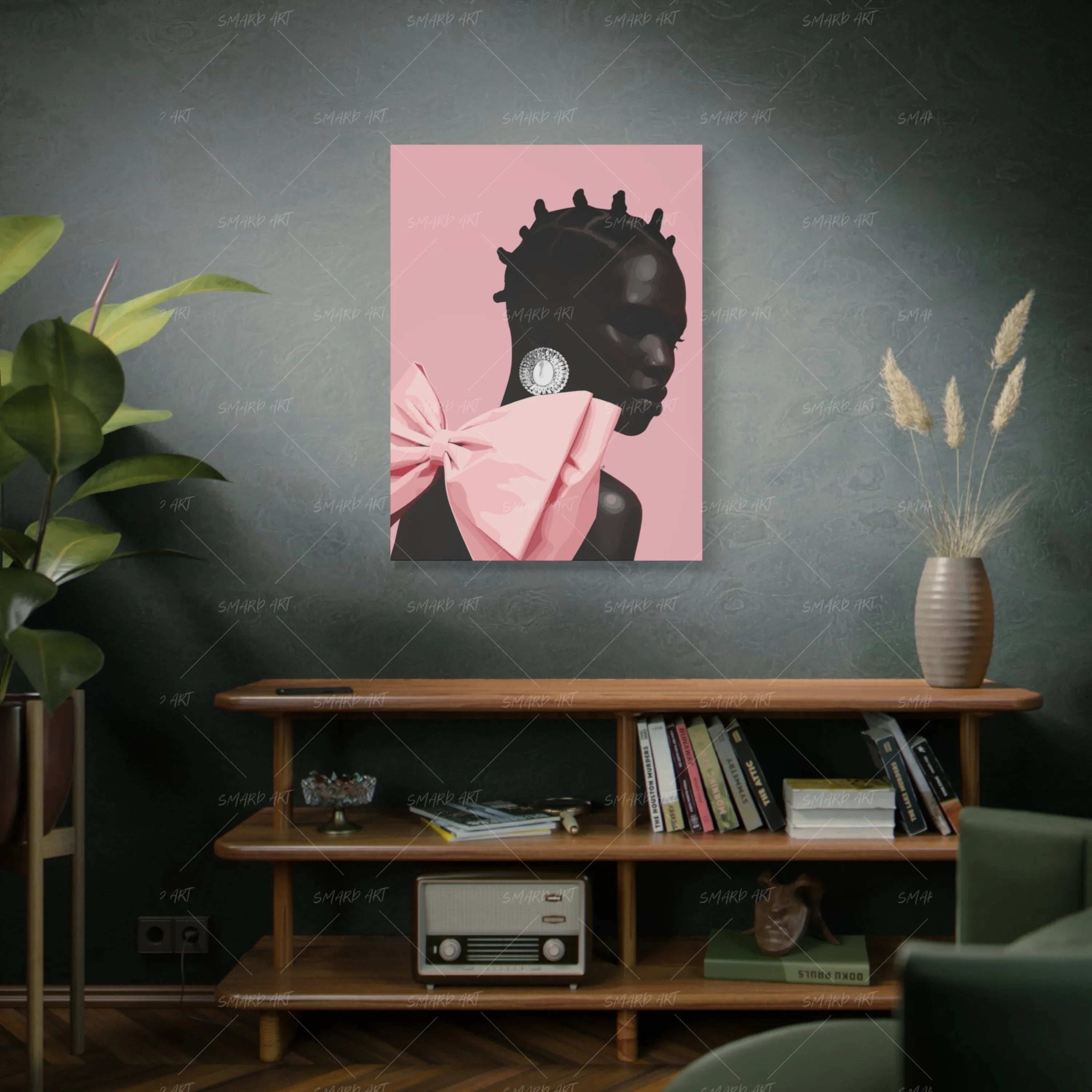
Today, when black wall art fills a home, it continues this tradition of visible strength.
It carries:
- Confidence
- Story
- Legacy
Smard.art understands that black wall art isn’t just trend-driven décor. It reflects a lineage of creativity that thrived under pressure.
Creativity as Cultural Resilience
Resilience doesn’t always look like protest. Sometimes it looks like creation.
Painting.
Designing.
Imagining.
Creativity becomes proof that spirit was never broken.
Why This Matters Today
Even now, representation gaps remain.
Recognition is still uneven.
But creativity continues.
And every piece of black wall art that enters a modern home reinforces that ongoing legacy.
Final Reflection
Black creativity did not wait for validation.
It thrived in spite of exclusion.
It evolved without permission.
It shaped culture before culture acknowledged it.
During Black History Month, we remember not only who was recognized — but who created anyway.
Black wall art, including pieces from Smard.art, stands in that tradition: strong, intentional, and unapologetically present.

Leave a comment
This site is protected by hCaptcha and the hCaptcha Privacy Policy and Terms of Service apply.