


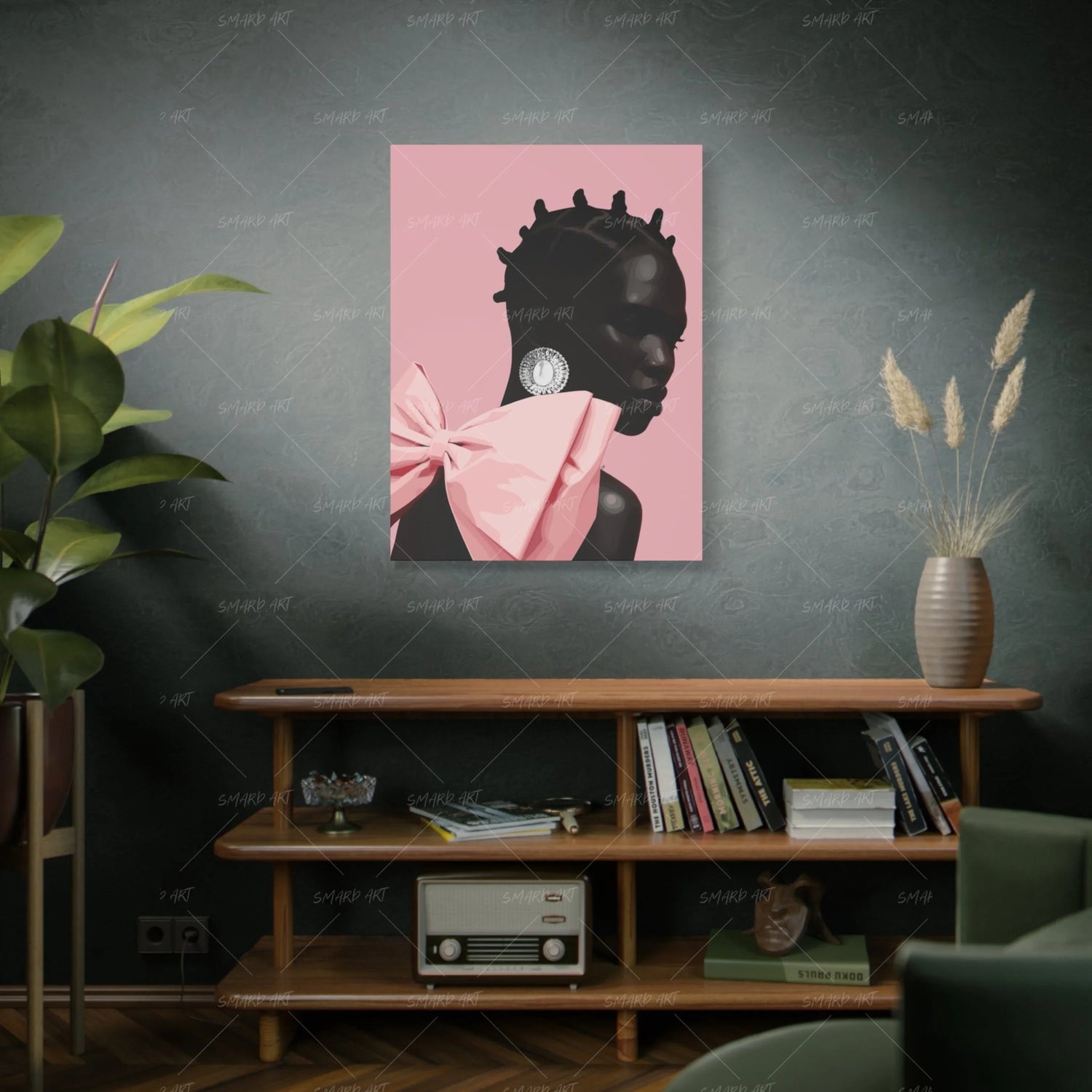
Identity is not just something you inherit.
It’s something that must be protected.
For Black communities throughout history, identity was constantly challenged, distorted, and suppressed. Language was controlled. Education was restricted. Representation was manipulated. Entire histories were rewritten or erased.
Yet identity survived.
And art played a central role in that survival.
When Systems Attempted Erasure
To understand why art became protective, you first have to understand the pressure identity faced.
Across centuries:
- African names were replaced.
- Cultural traditions were banned.
- Spiritual practices were criminalized.
- Narratives were rewritten to diminish humanity.
In those conditions, identity could not rely solely on institutions for preservation. It had to live somewhere else.
It lived in:
- Music
- Textiles
- Symbols
- Portraits
- Murals
- And later, wall art
Art became a safe vessel for memory.
Art as a Quiet Guardian
Unlike official records, art does not require permission to exist.
A painting in a home.
A symbol stitched into fabric.
A portrait passed down.
These were not decorative gestures. They were acts of continuity.
Black art protected:
- Hairstyles when laws tried to regulate them
- Skin tones when society tried to devalue them
- Family bonds when separation was forced
- Spiritual imagery when faith was controlled
Art carried coded meaning. Even when language was censored, visuals endured.
Generational Transfer Through Imagery
Children learn identity visually before they understand history intellectually.
They see:
- Faces that look like theirs
- Strength portrayed in familiar features
- Pride reflected in posture
Visual affirmation shapes self-perception long before textbooks do.
This is why representation in art matters so deeply. It tells each generation:
You are not new. You are part of a continuum.

Homes as Identity Sanctuaries
Historically, Black homes functioned as cultural sanctuaries.
Even when public spaces denied recognition, private walls preserved it.
Wall art inside homes:
- Reflected ancestral pride
- Honored heritage
- Affirmed dignity
This tradition continues today.
Black wall art in modern spaces isn’t simply about aesthetics. It’s about psychological reinforcement. It protects identity in subtle but powerful ways.
From Survival to Self-Definition
Earlier forms of Black art often focused on survival and resistance. Over time, expression expanded to celebration, complexity, and multidimensional storytelling.
But one constant remained:
Art served identity.
It said:
- “We exist.”
- “We remember.”
- “We define ourselves.”
Even today, Black artists use visual expression to reclaim narratives and control representation.
Why This Still Matters During Black History Month
Black History Month reminds us that identity preservation was never accidental.
It required intention.
Art remains one of the most accessible ways to continue that preservation in modern homes.
When someone chooses black wall art that reflects heritage, power, and depth, they are participating in generational continuity.
Smard.art and Identity in Modern Spaces
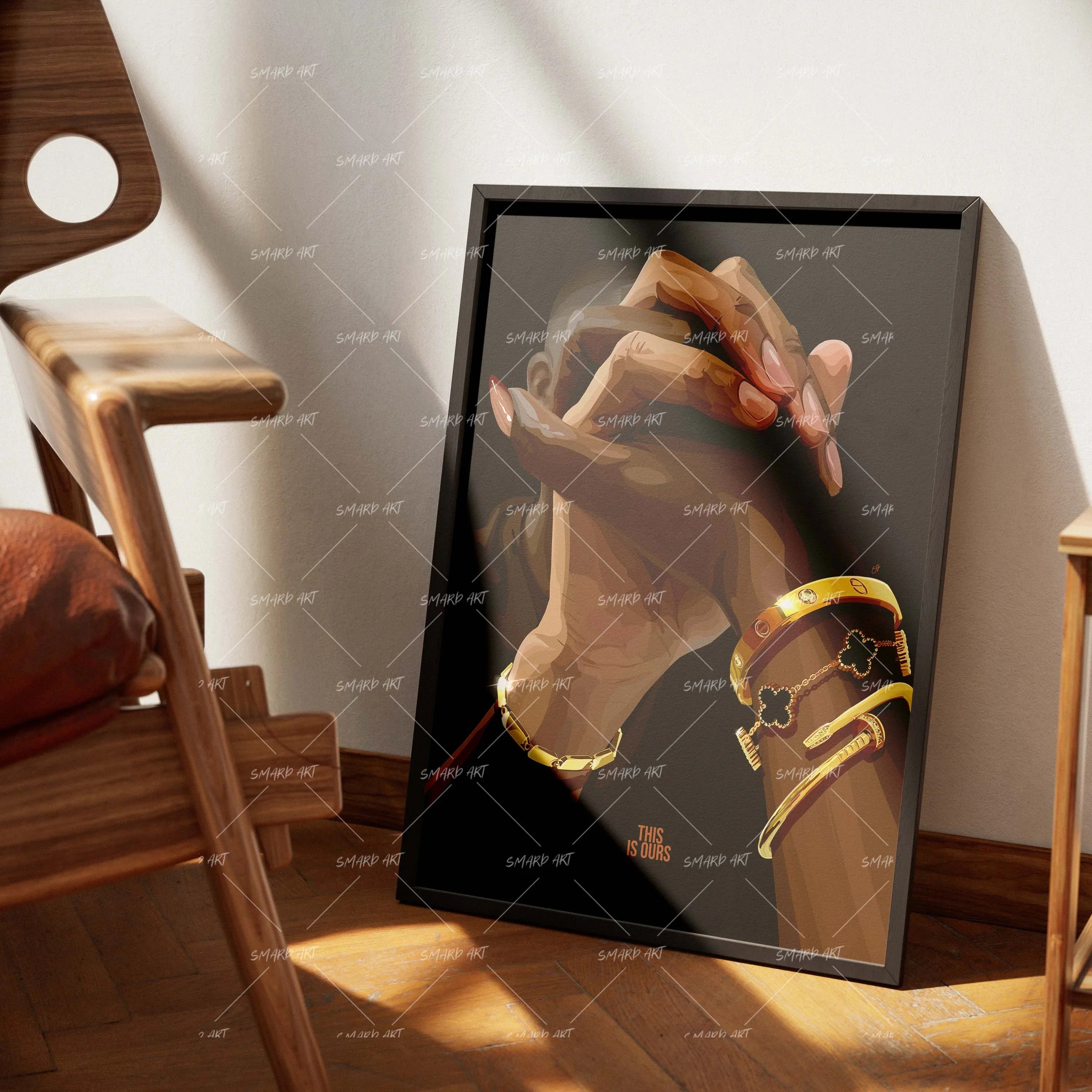
Smard.art approaches black wall art with this understanding: that walls are not blank surfaces — they are platforms for affirmation.
Each piece is designed to:
- Feel grounded
- Feel intentional
- Feel culturally aware
Not loud. Not performative. But rooted.
That rootedness echoes the historical role of art as protector.
Identity Is Visual Before It Is Verbal
Before children articulate who they are, they see who they are.
Before communities are acknowledged publicly, they affirm themselves privately.
Art bridges that space between public recognition and private truth.
Final Reflection
Black identity has endured attempts at erasure not because systems protected it — but because communities did.
And art was one of their strongest tools.
During Black History Month and beyond, black wall art — including thoughtfully created pieces from platforms like Smard.art — continues that protective role.
Because identity doesn’t just need to be celebrated.
It needs to be seen.


Leave a comment
This site is protected by hCaptcha and the hCaptcha Privacy Policy and Terms of Service apply.