


There’s a difference between a place you sleep and a place you live.
One meets your physical needs.
The other supports your emotional life.
The transition between the two is subtle — and wall art often marks the moment it happens.
What a “Sleeping Space” Feels Like
A sleeping space is functional.
It has:
- A bed
- Storage
- Lighting
- Practical layout
But it doesn’t reflect much beyond necessity.
Many people live in sleeping spaces longer than they realize, assuming something else will make it feel different.
What Changes When a Space Becomes “Lived In”
Living spaces carry identity.
They:
- Reflect taste
- Support mood
- Invite presence
This shift rarely comes from adding more furniture. It comes from adding meaning.
Wall art introduces that meaning instantly.
Why Wall Art Signals Emotional Investment
Art isn’t required for survival. It’s chosen for expression.
Hanging wall art signals:
- Emotional investment
- Personal intention
- A desire to belong
That’s why the act of choosing art often feels more personal than buying furniture.
The Role of Repetition in Feeling at Home
Seeing the same wall art daily builds familiarity.
Over time, art becomes:
- Comforting
- Grounding
- Emotionally stabilizing
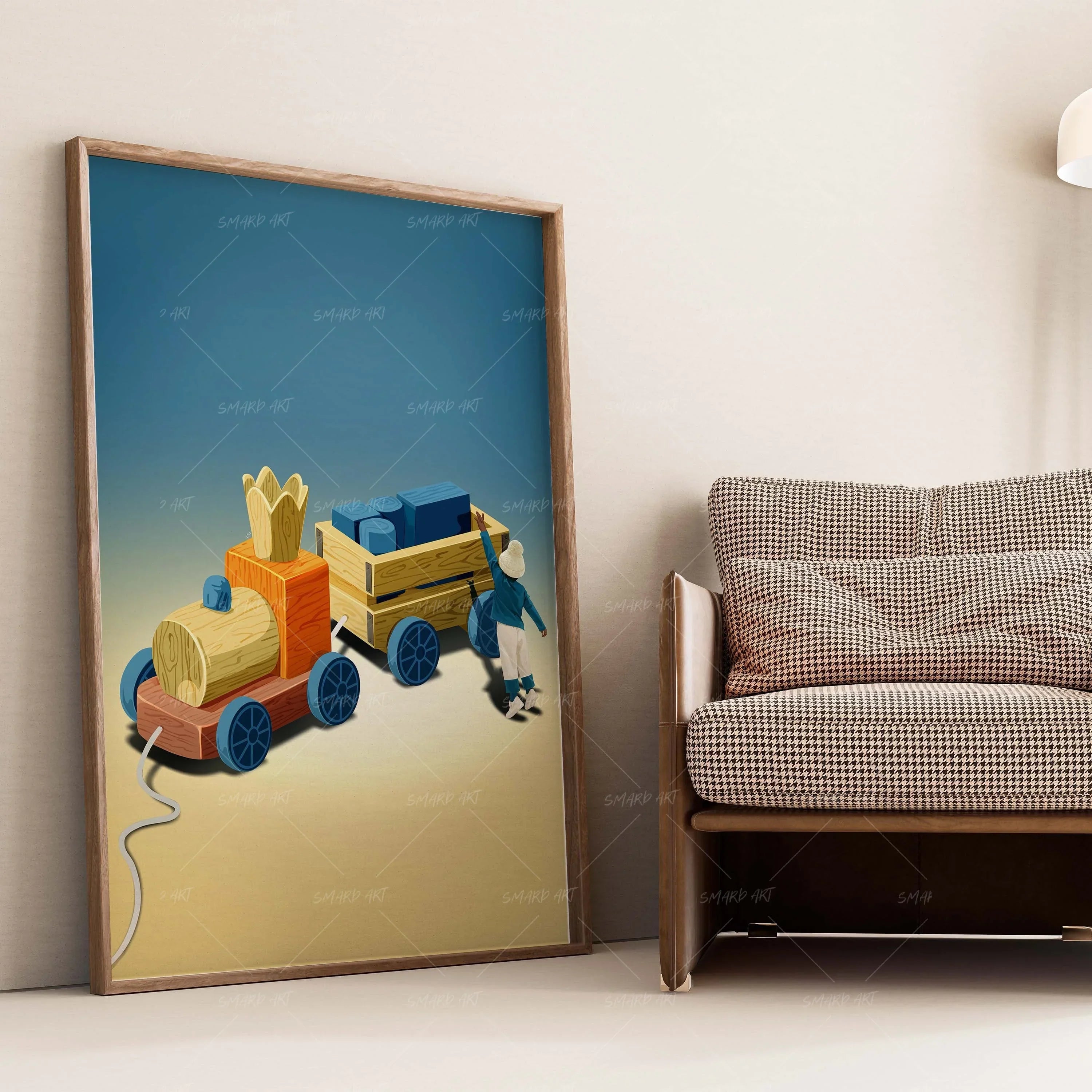
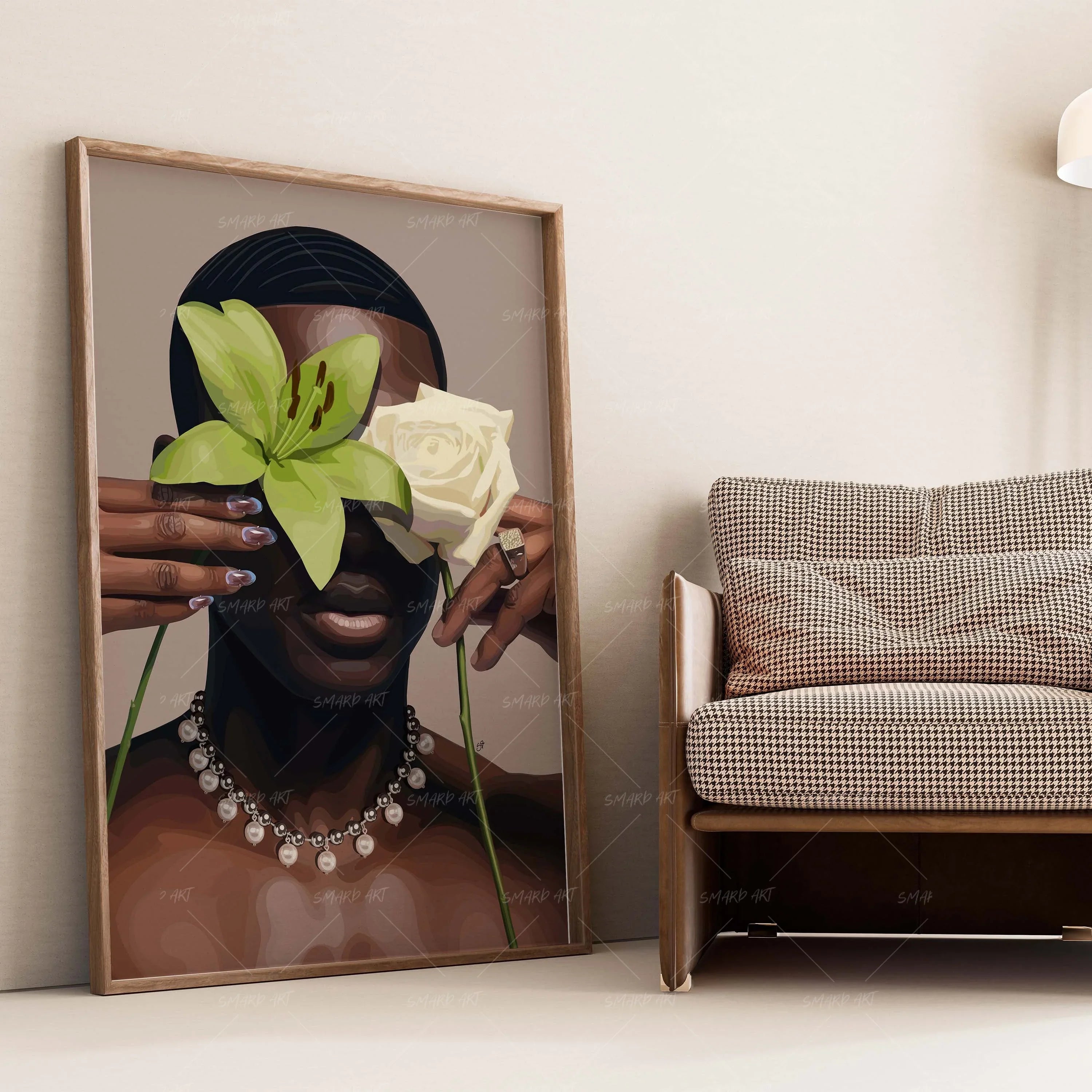
Black wall art excels here, offering consistency and visual calm across changing moods and routines.
Smard.art creates wall art meant to integrate into daily life — not interrupt it.

Why Living Spaces Support Better Wellbeing
Homes that feel lived in:
- Reduce mental noise
- Encourage relaxation
- Support focus and rest
Wall art contributes by creating visual landmarks — emotional reference points inside your home.
From Temporary to Personal
Many people treat their homes as temporary — even when they’re not.
Wall art disrupts that mindset. It turns “for now” into “for me.”
This psychological shift often changes how people treat and experience their space.
Smard.art and Intentional Living
Smard.art exists for people ready to live — not just stay.
Our wall art collections are designed to:
- Add emotional depth
- Support daily routines
- Help homes feel inhabited, not staged
Whether bold or minimal, black wall art or expressive pieces, the goal is presence.
How to Know You’ve Crossed the Line
You’ve moved from sleeping to living when:
- The space reflects you
- You stop rearranging constantly
- The home feels supportive
Wall art is often the quiet signal that this shift has happened.
Final Thought
Homes don’t become lived in by accident.
They become lived in when meaning enters the room.
And wall art is often how meaning finds its place.

Leave a comment
This site is protected by hCaptcha and the hCaptcha Privacy Policy and Terms of Service apply.