


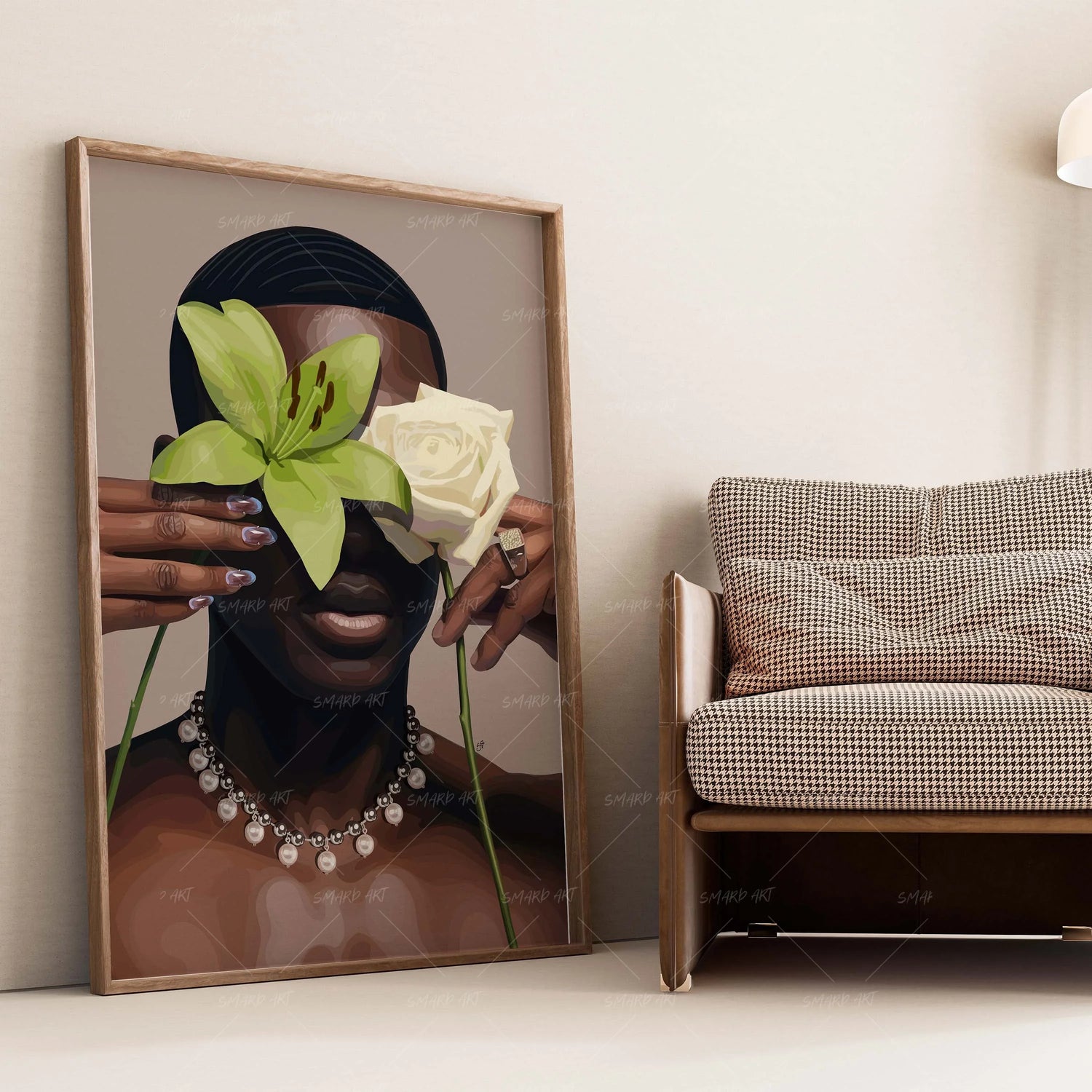
There’s a quiet pressure in home decor that rarely gets talked about: the idea that every wall needs to be filled.
It doesn’t.
In fact, some of the most balanced, confident homes use wall art sparingly — but decisively.
The power of wall art isn’t in how much you hang.
It’s in where and why you hang it.
Why Overdecorating Often Backfires
When every wall has something on it, nothing feels special.
Too much art can:
- Create visual noise
- Dilute emotional impact
- Make a space feel busy instead of intentional
The eye doesn’t know where to rest. The brain doesn’t know what matters.
This is why restraint often feels more luxurious than abundance.
The Role of the “Right Wall”
The right wall is the one your eye naturally returns to.
It might be:
- The wall you see when you enter a room
- The space above a sofa or bed
- A quiet wall that feels emotionally empty
When wall art occupies the right wall, it sets the emotional tone for the entire space.
Everything else becomes supporting detail.
Why One Strong Piece Beats Five Small Ones
One intentional piece of wall art:
- Creates focus
- Establishes hierarchy
- Anchors the room
Five random pieces often feel like decoration.
One meaningful piece feels like a decision.
This is especially true with black wall art, which carries visual weight and confidence. It doesn’t need repetition to be felt.
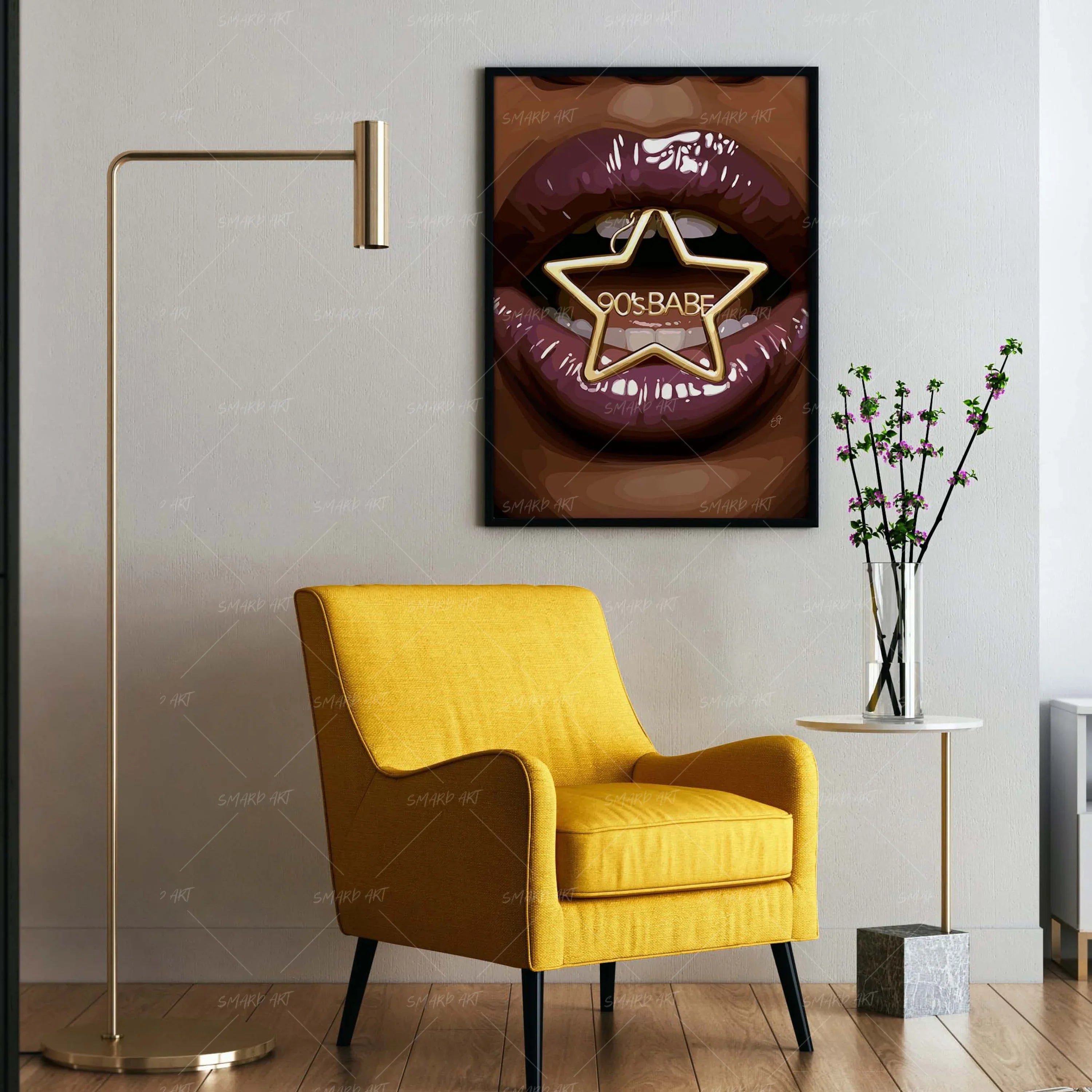
Smard.art designs pieces meant to stand on their own — not fight for attention.
Negative Space Is Not Empty Space
Leaving walls blank isn’t a failure. It’s part of the composition.
Blank walls:
- Frame important art
- Allow rooms to breathe
- Prevent visual fatigue
When everything is decorated, nothing feels intentional. When space is respected, art gains power.

Why This Approach Feels More “Grown”
Homes that don’t rush to fill walls often feel more settled.
They signal:
- Confidence in taste
- Comfort with restraint
- Trust in the space
This is why hotel lobbies, galleries, and calm homes often feature fewer but stronger art choices.
Smard.art and Intentional Placement
Smard.art doesn’t create filler art.
Our wall art is designed to:
- Carry a room emotionally
- Hold space without overwhelming it
- Work as a focal point
Whether it’s bold or subtle, black wall art or expressive forms, the goal is impact — not excess.
How to Choose the Right Wall
Ask yourself:
- Which wall feels unresolved?
- Where does my eye naturally go?
- Which space feels emotionally quiet?
That’s usually where art belongs.
Once that wall is resolved, the rest of the room often falls into place.
Final Thought
Not every wall needs art.
But the wall that does — needs the right one.

Leave a comment
This site is protected by hCaptcha and the hCaptcha Privacy Policy and Terms of Service apply.