


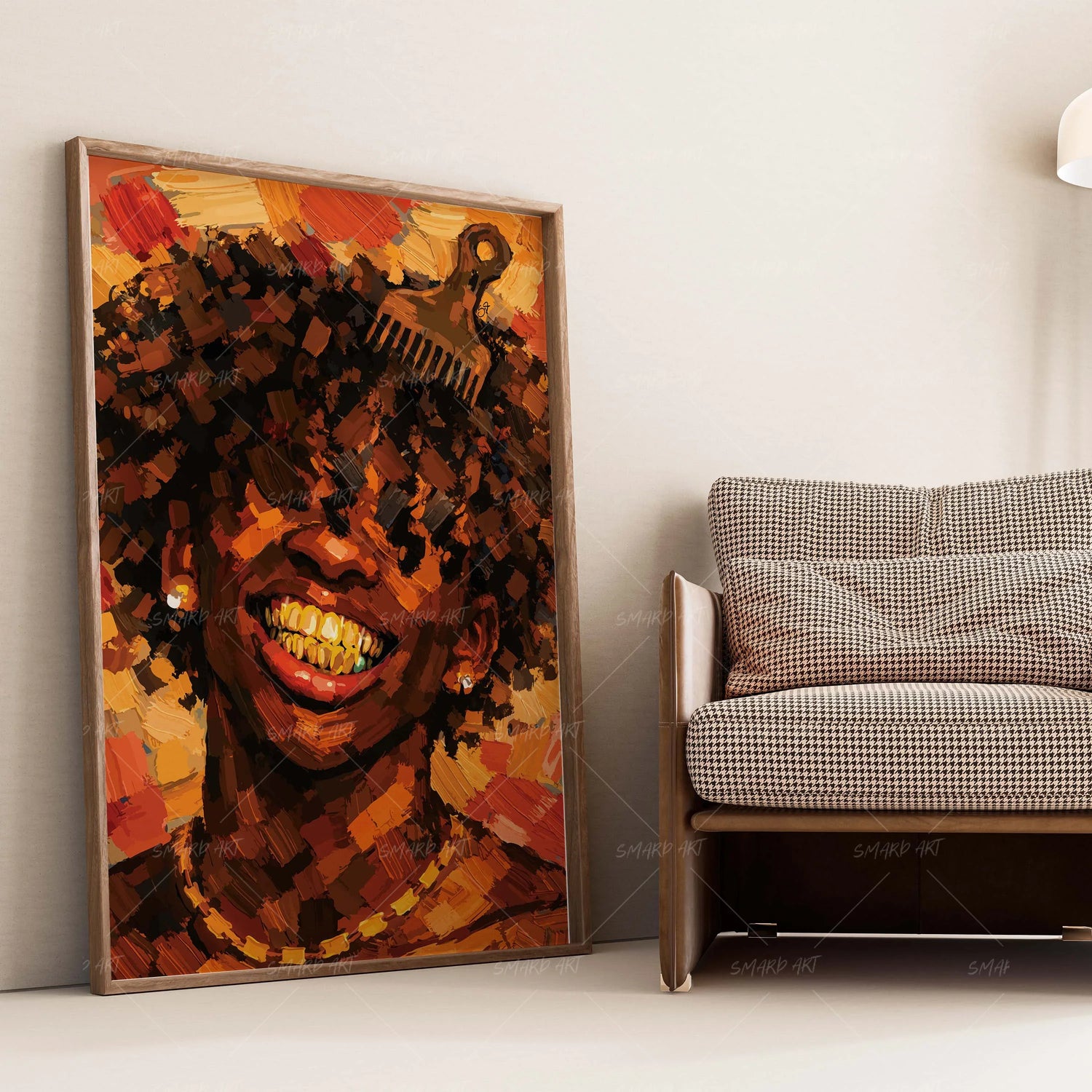
Interior designers understand that wall art is more than decoration—it is an essential element of visual balance within a room. Proper placement can make artwork look intentional and harmonious, while poor placement can make even beautiful pieces appear awkward.
Although decorating styles vary widely, many designers follow a few core principles when placing wall art. These guidelines help ensure that artwork enhances the room rather than disrupting its design.
Understanding these rules can help homeowners display art confidently and effectively.
Rule 1: Hang Art at Eye Level
One of the most widely accepted placement rules is eye-level positioning.
Designers typically place the center of artwork around 57 to 60 inches from the floor, which corresponds to the average person’s eye level.
This positioning allows artwork to be viewed comfortably without straining the neck.
When multiple pieces are arranged together, the center of the overall grouping should align with eye level.
Rule 2: Connect Art to Furniture
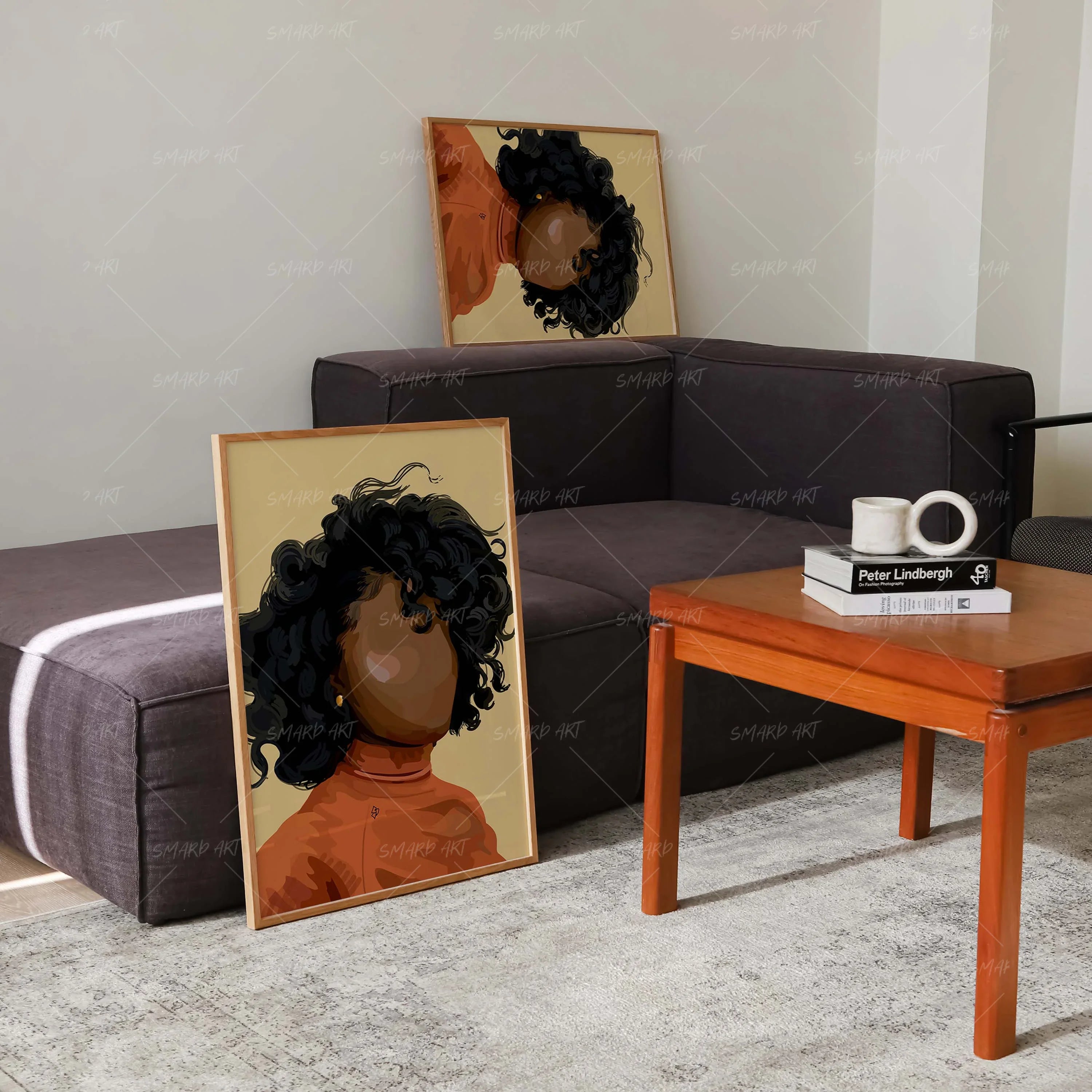
Artwork should visually relate to nearby furniture. When art is placed too far above sofas, beds, or tables, it can feel disconnected from the room.
To maintain visual connection, designers usually leave 6 to 8 inches of space between the bottom of the artwork and the furniture below it.
This spacing helps anchor the artwork to the room’s layout.
Rule 3: Respect Scale and Proportion
Scale is one of the most important aspects of wall art placement.
Large walls require larger artworks or grouped displays, while smaller walls benefit from smaller pieces.
For example:
- Artwork above a sofa should generally span about two-thirds of the sofa’s width.
- Small art pieces may be grouped together to create a larger visual impact.
Maintaining proportional relationships keeps the room balanced.

Rule 4: Maintain Consistent Spacing
When multiple artworks are displayed together, consistent spacing is essential.
Most designers recommend spacing frames 2 to 3 inches apart.
Uniform spacing creates a cohesive appearance and prevents the arrangement from feeling cluttered.
Rule 5: Consider the Room’s Focal Point
Every room benefits from a focal point—an area that naturally draws attention.
Artwork can serve as this focal point when placed strategically. Large statement pieces above fireplaces, beds, or sofas often fulfill this role.
Once the focal point is established, other design elements can be arranged around it.
Rule 6: Use Symmetry for Formal Spaces
Symmetrical arrangements create a sense of order and elegance.
Examples include:
- Two matching artworks on either side of a bed
- Evenly spaced frames above a console table
- Balanced groupings centered on a wall
Symmetry works particularly well in formal living rooms and dining areas.
Rule 7: Leave Room for Negative Space
Not every wall needs to be filled with artwork.
Negative space—the empty space around artwork—allows pieces to stand out and prevents visual clutter.
Designers often intentionally leave portions of walls empty to create breathing room for the artwork.
This approach keeps interiors feeling clean and balanced.
Final Thoughts
Interior designers rely on a set of placement principles to ensure that artwork enhances a room’s overall design. By following guidelines such as eye-level positioning, proper spacing, and proportional scaling, homeowners can display art with confidence.
When artwork is thoughtfully placed, it becomes more than decoration—it becomes a key element that shapes the entire atmosphere of a room.

Leave a comment
This site is protected by hCaptcha and the hCaptcha Privacy Policy and Terms of Service apply.