


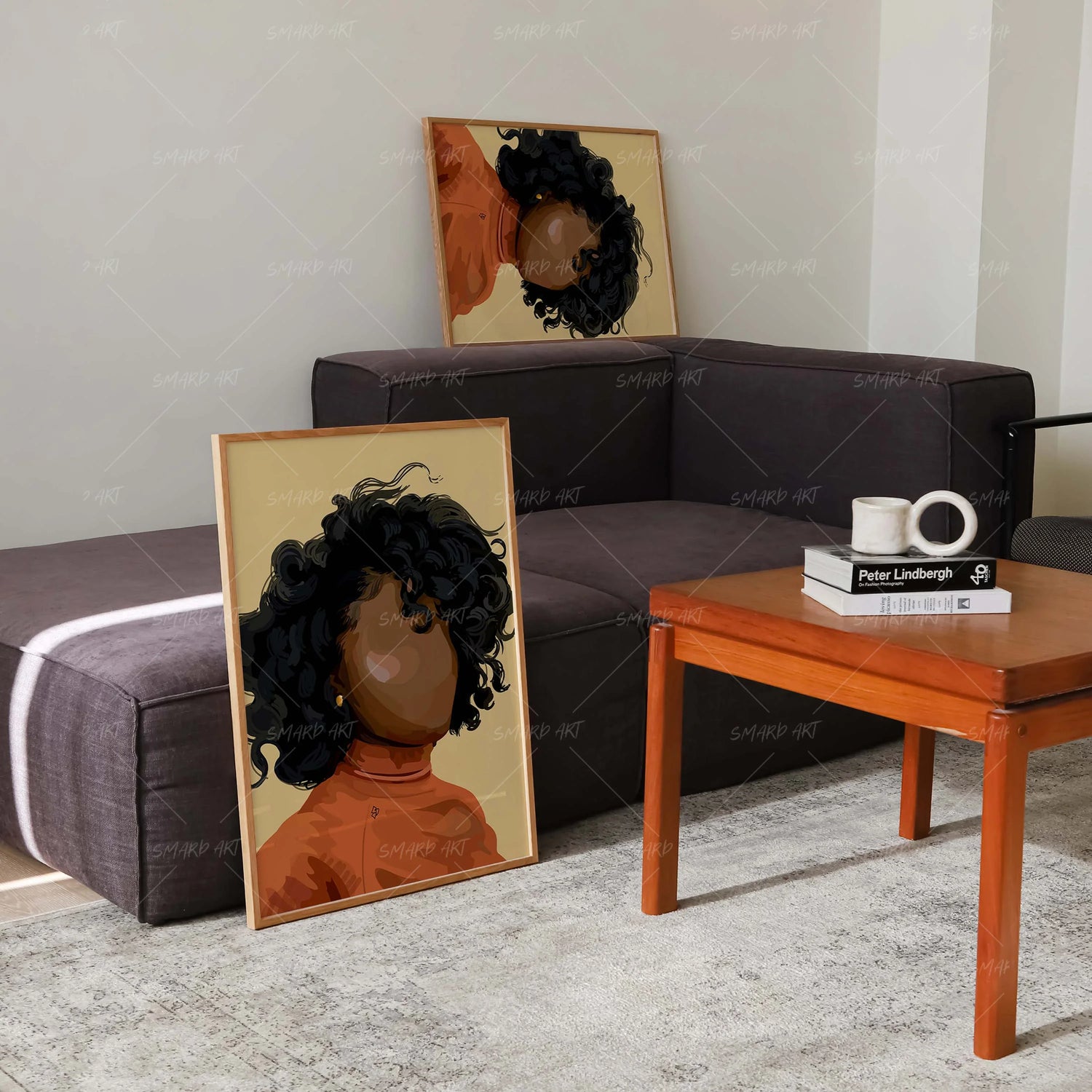
A statement wall is one of the most effective ways to elevate a room. It captures attention, adds personality, and can completely redefine the atmosphere of a space. Whether in a living room, bedroom, or office, a statement wall creates a focal point that draws the eye and anchors the design of the room.
The first step in creating a statement wall is choosing the right location. Walls that are immediately visible when entering a room, such as the wall behind a sofa or bed, are prime candidates. The goal is to select a wall that naturally becomes the centerpiece of the room.
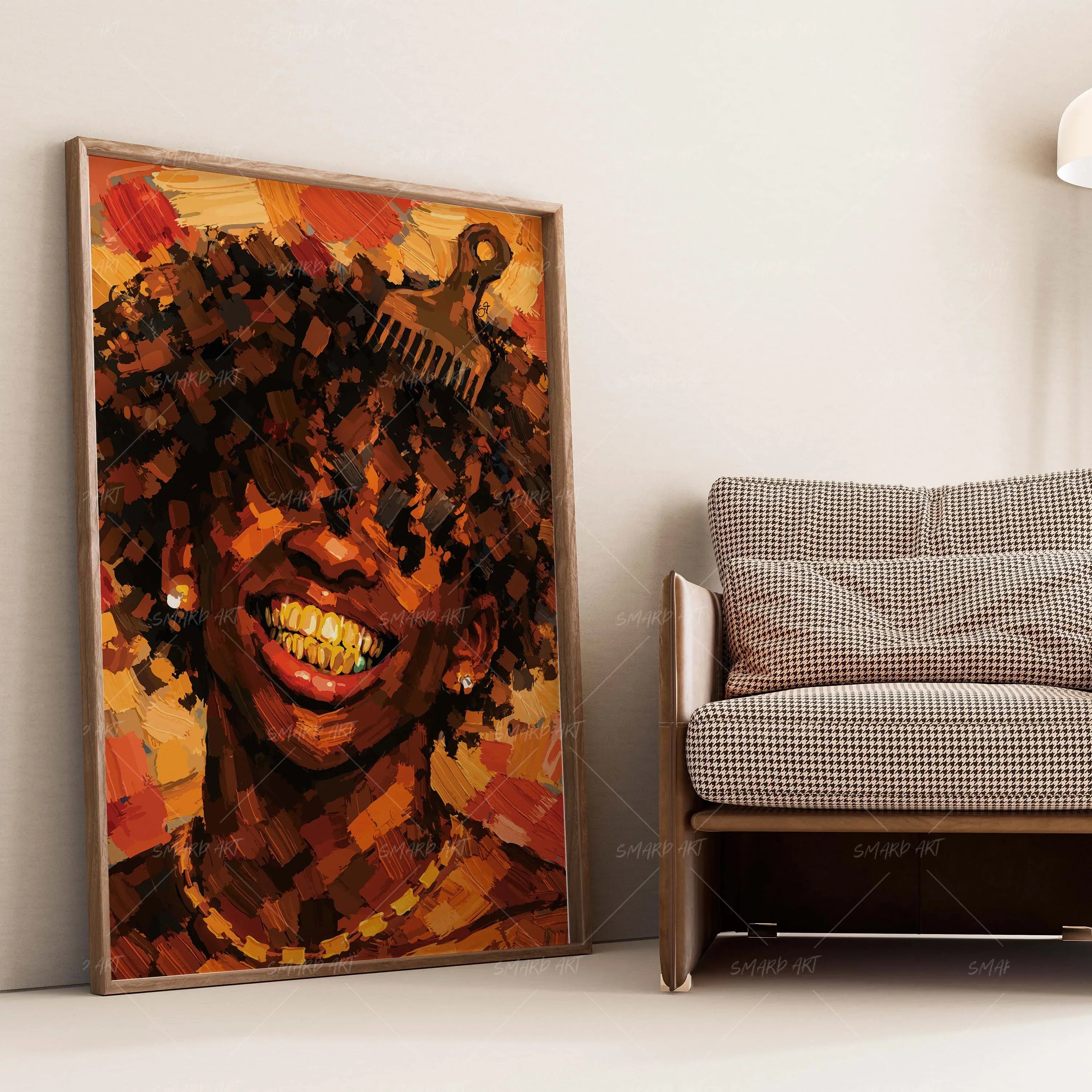
Once the location is chosen, it’s time to select the artwork or elements that will define the wall. Large, bold pieces are the easiest way to make an impact. Oversized paintings, striking photographic prints, or vibrant abstract works can instantly transform the space. The key is to ensure that the piece dominates the wall without overwhelming it.
For those who prefer more creativity, statement walls can combine multiple elements. Gallery-style arrangements, mixed media, or even textured wall panels can all contribute to a visually engaging display. The objective is to create depth and interest while maintaining cohesion through color, style, or theme.
Color selection plays a crucial role in making a statement wall effective. Bold and contrasting colors naturally draw attention, while muted tones can create a more subtle but still compelling impact. The right color palette should harmonize with the rest of the room while ensuring that the wall remains the focal point.

Lighting is another essential consideration. Properly illuminated artwork or wall elements stand out and create a dynamic effect. Accent lighting, track lights, or strategically placed lamps can enhance textures, highlights, and details, giving the wall a professional and polished look.
Texture can also make a statement wall feel unique. From raised panels and 3D art to canvas textures and layered materials, incorporating texture adds depth and interest. This not only makes the wall visually appealing but also adds a tactile dimension that enhances the overall design.
Placement and scale are key to success. Each element on a statement wall should be proportionate to the space and arranged with balance in mind. Even asymmetrical layouts require intentional planning to ensure they feel cohesive rather than chaotic.
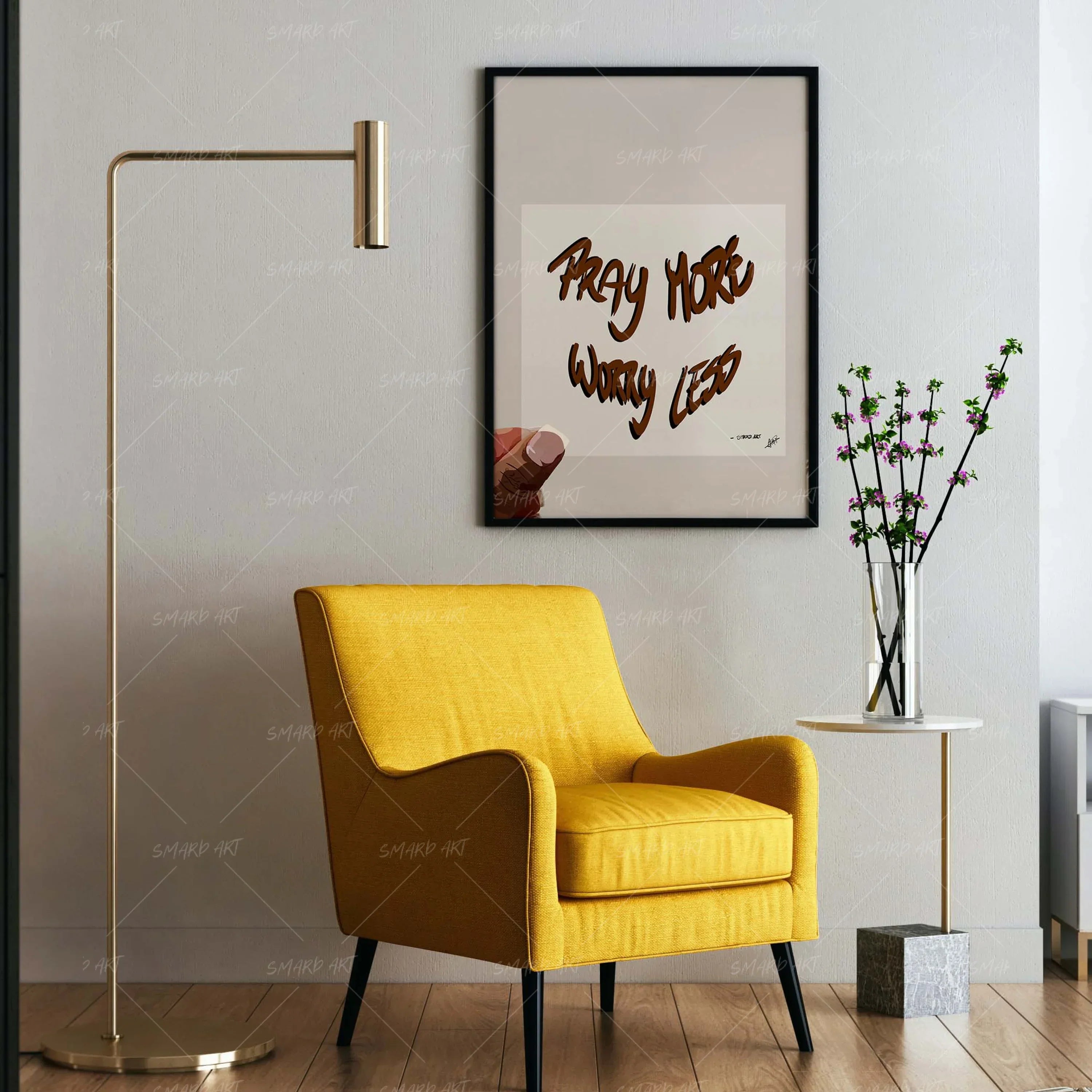
Statement walls are versatile and can fit into virtually any style of interior design. In modern homes, a single oversized piece with bold colors often works best. In eclectic spaces, layered gallery walls or mixed textures can create drama and personality. In more traditional settings, classic paintings or framed prints can anchor the wall while complementing the overall décor.
Ultimately, a statement wall is about intentionality. It should feel curated and purposeful, rather than an afterthought. When executed correctly, it becomes the defining feature of the room, capturing attention and leaving a lasting impression.
Creating a statement wall transforms ordinary spaces into extraordinary ones. By carefully selecting artwork, color, texture, and lighting, you can craft a wall that not only stands out but also elevates the entire room’s design.

Leave a comment
This site is protected by hCaptcha and the hCaptcha Privacy Policy and Terms of Service apply.