


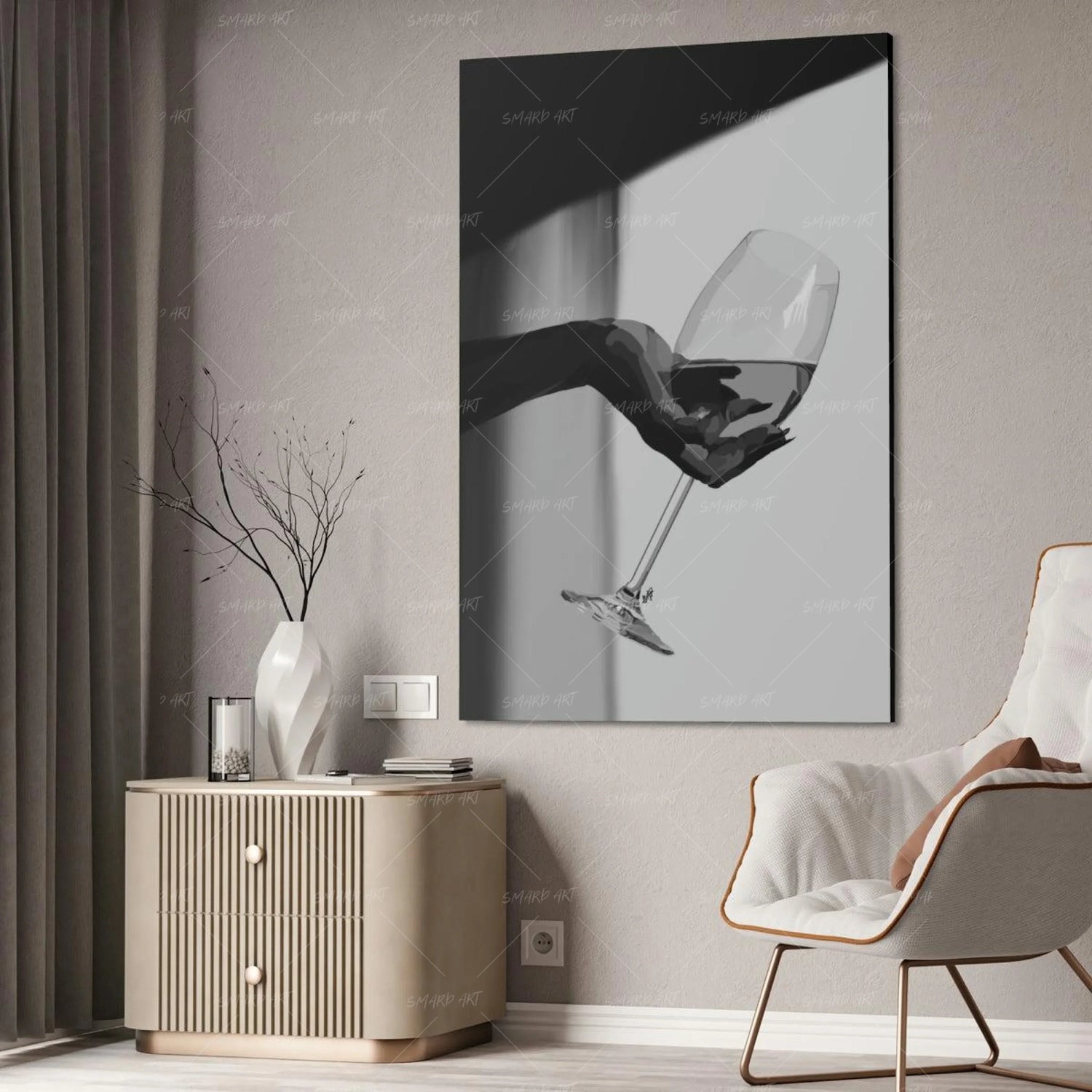
Memory is not stored only in the mind — it is stored in spaces. Certain rooms, colors, and images can instantly transport you to another time. Wall art plays a quiet but powerful role in this process.
Long after furniture is replaced and styles evolve, the images on the walls often remain the emotional anchors of a home.
1. Visual Cues Trigger Emotional Recall
The brain is highly responsive to visual memory.
Wall art becomes a cue that:
- Links moments together
- Preserves emotional context
- Reinforces personal narratives
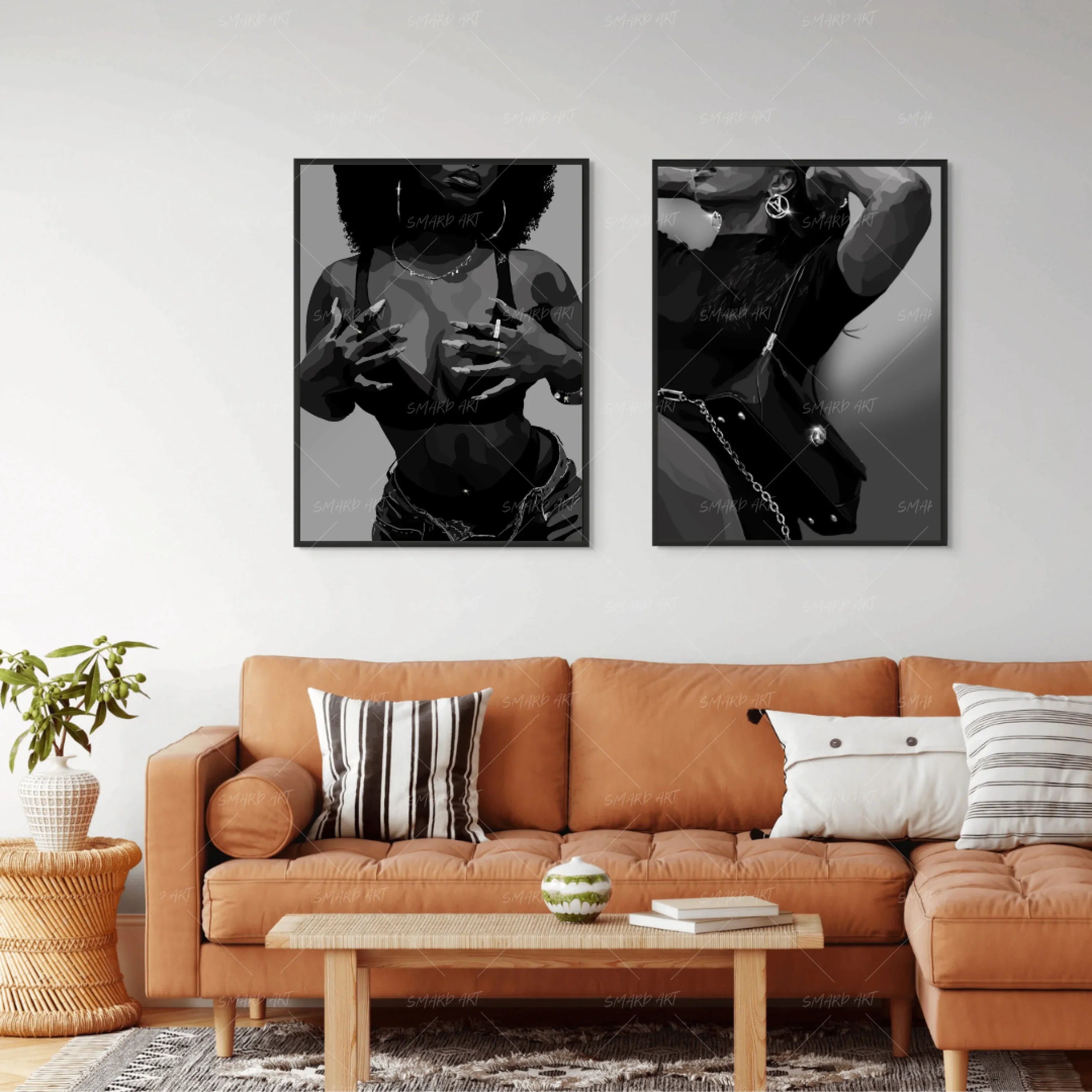
A single piece of black wall art can recall years of conversations, milestones, and routines. Smard.art designs encourage this kind of emotional continuity.
2. Repetition Strengthens Memory
What you see daily becomes part of your emotional baseline.
Repeated exposure to meaningful wall art:
- Deepens emotional association
- Strengthens memory encoding
- Creates comfort through familiarity
This is why art chosen with intention feels more significant over time.
3. Art Becomes a Witness to Life
Wall art quietly observes life:
- Family gatherings
- Personal growth
- Transitions and change
It becomes part of the background of your story. Over time, the art itself becomes symbolic of those experiences.

4. Black Wall Art as Emotional Stability
Black wall art provides consistency across life changes.
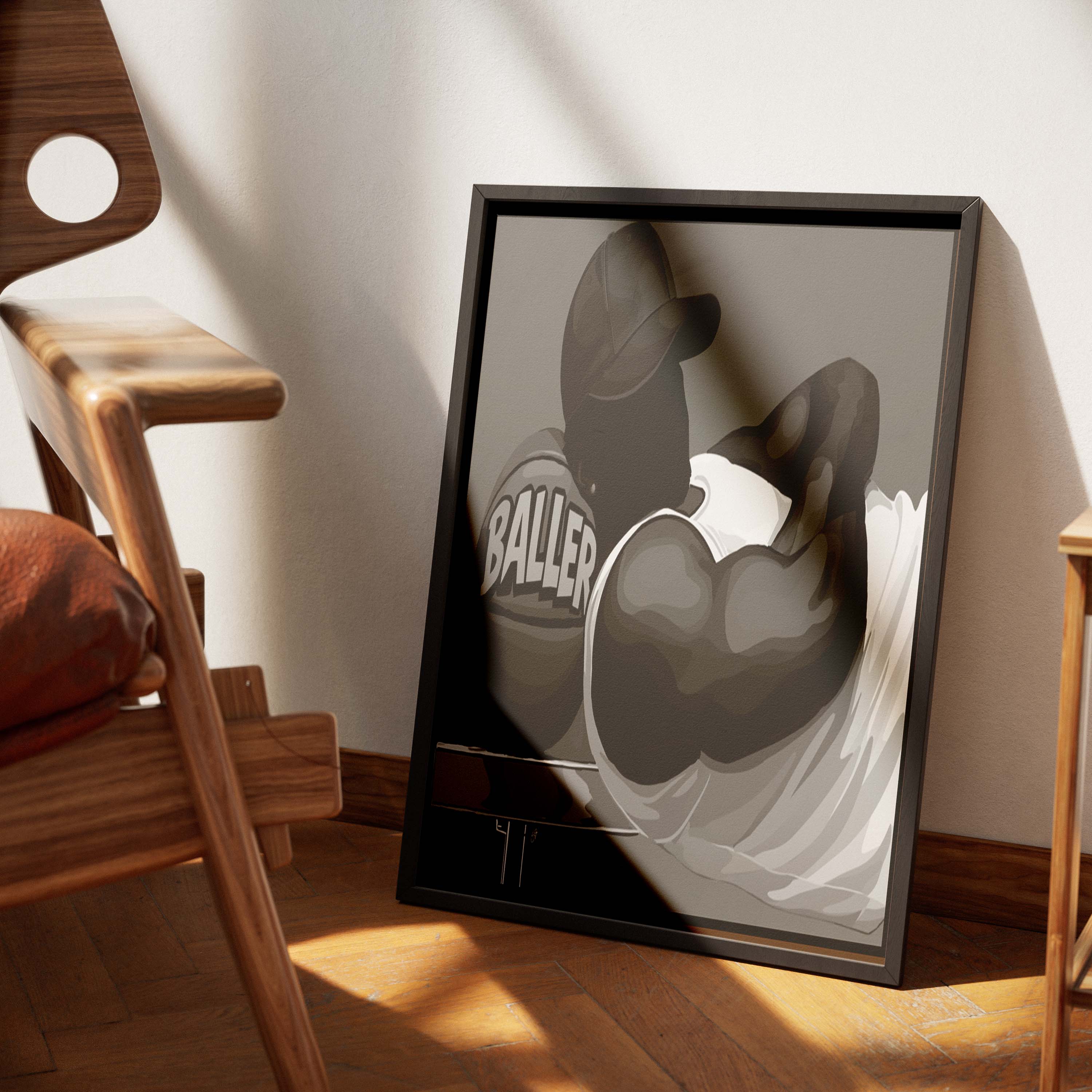
As homes evolve, black wall art remains visually relevant, allowing memories to accumulate rather than be replaced. Smard.art pieces often become these long-term emotional fixtures.
5. Designing for Future Memory
Choosing wall art isn’t only about today — it’s about what you’ll remember.
Select pieces that:
- Evoke emotion
- Feel authentic
- Allow space for personal meaning
Final Thought
Wall art is not static décor. It is a living archive of emotion. With Smard.art, your walls become a canvas for memory, nostalgia, and personal history.

Leave a comment
This site is protected by hCaptcha and the hCaptcha Privacy Policy and Terms of Service apply.