


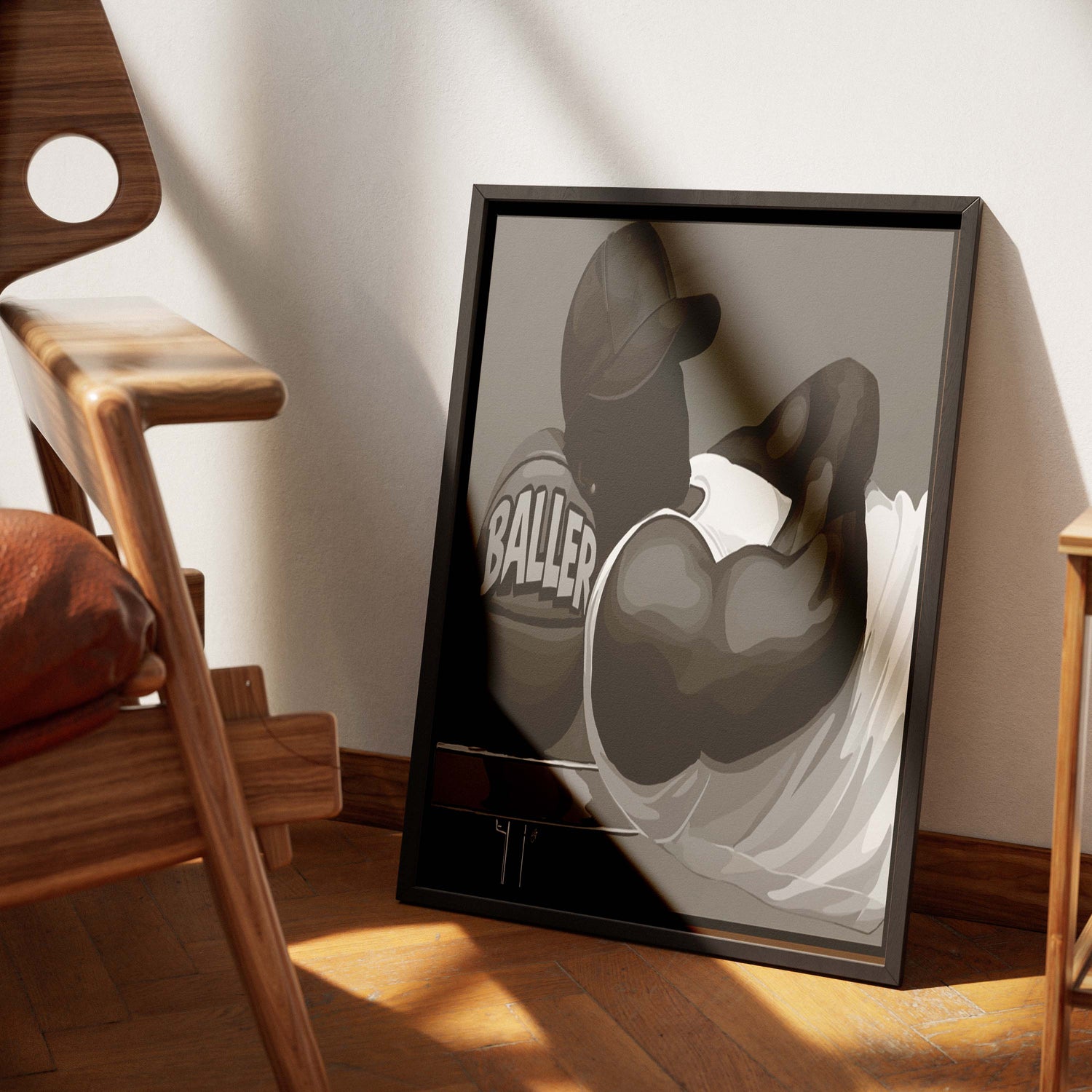
A gallery wall can either feel like a curated design statement — or a collection of random frames competing for attention. The difference is not budget or quantity. It’s intention.
Many people love the idea of a gallery wall but struggle with execution. When done correctly, a gallery wall becomes a visual narrative, a rhythm across the wall, and a central emotional feature of a room.
Here’s how to create a gallery wall that actually makes sense.
1. Start With a Visual Theme
A gallery wall needs a unifying thread. This doesn’t mean everything must match, but everything must relate.
Your theme can be:
- Color-based (neutrals, monochrome, contrast)
- Emotional (calm, bold, reflective)
- Conceptual (minimalism, structure, movement)
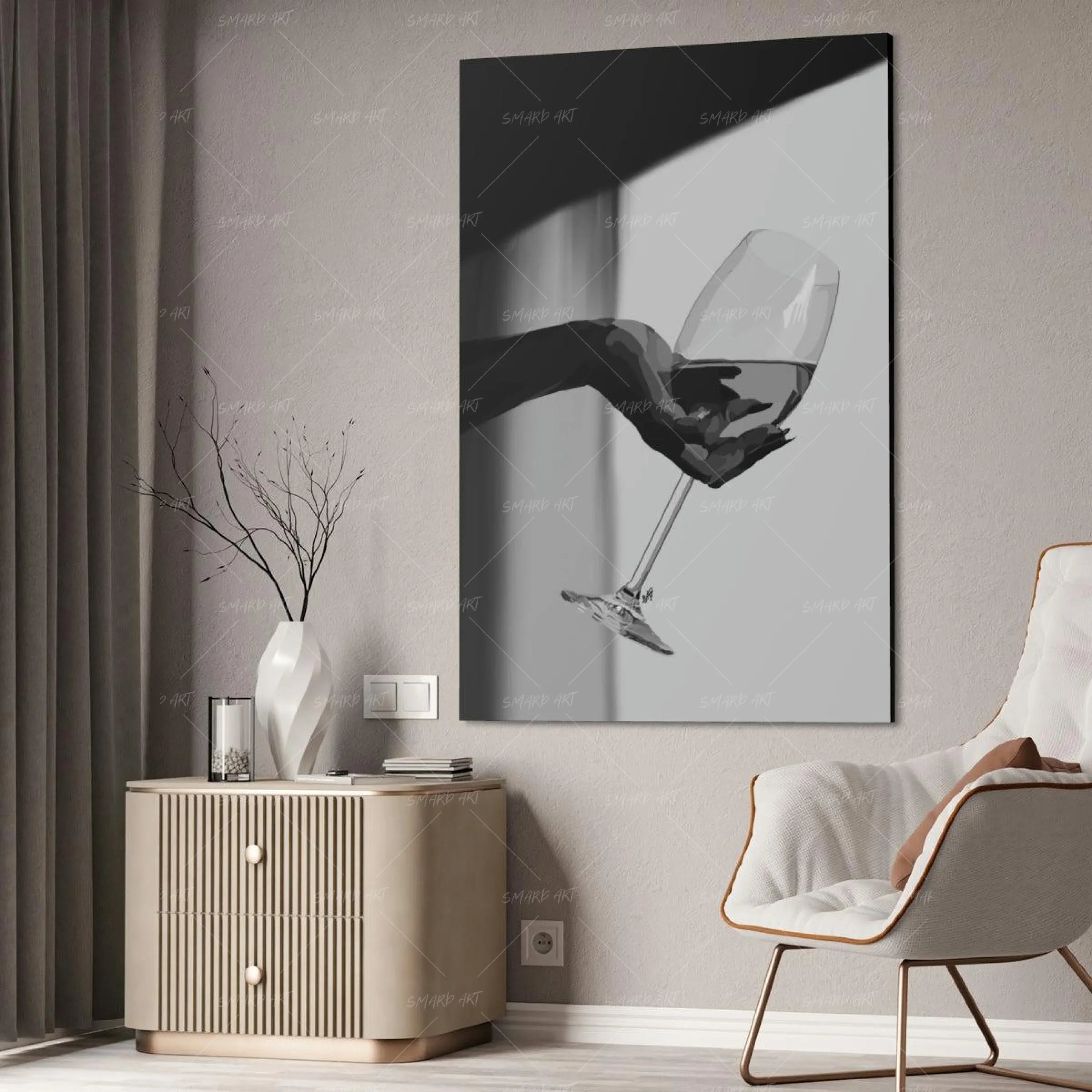
Black wall art is often the most effective anchor because it introduces consistency across different images. Smard.art collections are designed to allow mixing without visual conflict.
2. Establish One Anchor Piece
Every gallery wall needs a leader.
This piece should:
- Be slightly larger
- Have strong contrast
- Hold emotional or visual weight
From here, supporting pieces should complement rather than compete. The anchor gives the eye a place to rest.

3. Balance Spacing and Proportion
Chaos often comes from uneven spacing.
Guidelines:
- Keep 5–8 cm between frames
- Avoid tight clusters in one area and emptiness in another
- Treat the gallery wall as one large composition, not separate artworks
Smard.art pieces are proportioned to work well both individually and in group settings.
4. Mix Sizes, Not Styles
Uniform styles with varied sizes create harmony. Mixing too many artistic styles causes visual noise.
Black wall art helps unify diverse compositions by providing tonal consistency.
5. Use Negative Space Intentionally
Not every wall must be filled. Empty space is part of the design.
Negative space allows the art to breathe and prevents visual fatigue.
6. Test the Layout First
Before hanging:
- Lay pieces on the floor
- Use paper templates on the wall
- Adjust spacing and flow
This step alone prevents most gallery wall mistakes.
7. Consider the Room’s Function
Gallery walls in social areas can be dynamic. In bedrooms or offices, keep the composition calmer and more structured.
8. Lighting Matters
Proper lighting elevates a gallery wall from decoration to curation. Soft directional light enhances black wall art especially well.
Final Thought
A gallery wall is not about filling space — it’s about creating visual rhythm and emotional coherence. With intentional choices from Smard.art, your gallery wall becomes a story, not a collage.

Leave a comment
This site is protected by hCaptcha and the hCaptcha Privacy Policy and Terms of Service apply.