



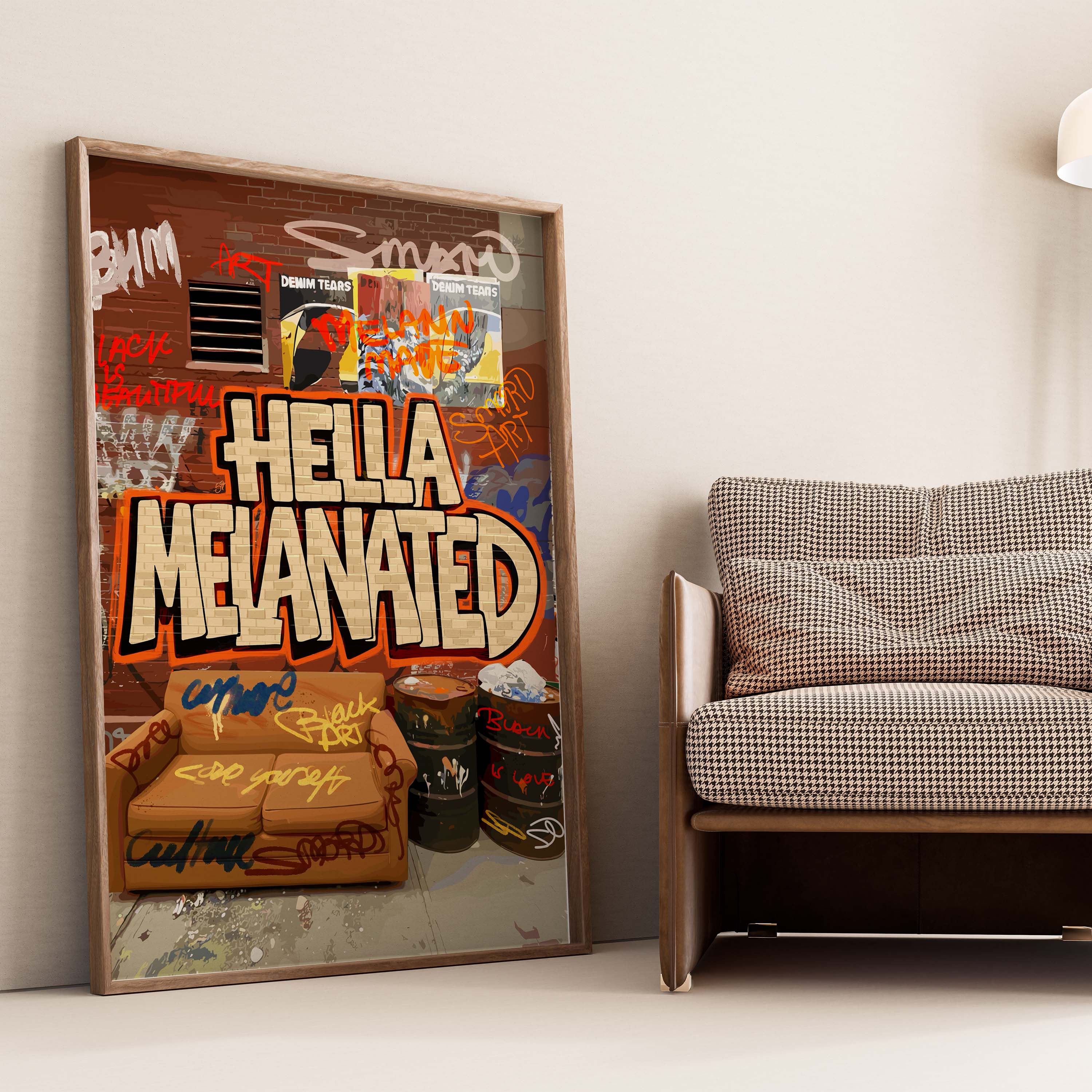
Black History is not only a record of events — it is a lived emotional experience carried across generations. Joy, struggle, resilience, grief, pride, and triumph all exist within that history. One of the most powerful yet understated ways this history continues to live is through visual expression, especially Black History wall art.
Art has always played a role in healing. In Black communities, it has been a vessel for remembrance, resistance, and restoration. When displayed in homes, schools, offices, and public spaces, Black History wall art becomes more than decoration — it becomes a space for reflection and collective memory.
Art as a Container for Memory
Collective memory refers to how communities remember their past together. These memories are not stored only in books or archives; they live in music, language, rituals — and art.
Black wall art often captures:
- Historical moments
- Ancestral symbolism
- Cultural identity
- Emotional truths not always written down
When this art is displayed, it keeps memory active rather than archived.
Walls become witnesses.
Why Visual Memory Heals Differently Than Text
Written history explains.
Visual history connects.
Art bypasses intellectual barriers and speaks directly to emotion. A portrait, symbol, or abstract piece can evoke empathy, pride, or grief instantly — without explanation.
This matters because healing is not purely intellectual. It is emotional and communal.
Black History wall art allows viewers to:
- Sit with history without judgment
- Reflect without pressure
- Feel without explanation
That emotional access is essential for healing.
Honoring Pain Without Re-Traumatizing
One challenge in preserving Black history is how to acknowledge trauma without reducing identity to suffering.
Thoughtful Black wall art balances this by:
- Centering resilience, not just pain
- Highlighting dignity, not victimhood
- Framing struggle alongside triumph
This reframing allows healing without erasure.
Art does not deny hardship — it contextualizes it within strength.
The Power of Quiet Reflection
Not all healing is loud.
Black History wall art creates space for quiet reflection, especially in personal environments like homes or bedrooms.
A symbolic print near a reading chair
A portrait above a desk
A quote framed in a hallway
These pieces offer moments of pause. They allow individuals to reconnect with history privately, without performance or explanation.
Healing often begins in silence.

Collective Memory in Shared Spaces
In classrooms, offices, and community centers, Black wall art supports shared reflection.
It invites conversation:
- “Who is this?”
- “What does this symbol mean?”
- “Why does this matter?”
These questions keep history alive across generations.
Collective memory strengthens when it is visible — not hidden or seasonal.
Art as Intergenerational Bridge
Many Black families pass down stories orally. Wall art extends this tradition visually.
Children grow up asking questions.
Parents and elders share stories.
History becomes relational, not distant.
When art sparks these moments, memory becomes living rather than static.
Why Healing Requires Visibility
Invisibility delays healing.
When history is hidden, pain lingers unresolved. When history is acknowledged — visually, respectfully, and consistently — it creates room for understanding.
Black History wall art makes acknowledgment unavoidable but gentle.
It says:
“This happened.”
“This mattered.”
“We are still here.”
That affirmation is foundational to healing.
Beyond February: Healing Is Ongoing
Healing does not operate on a calendar.
Black History Month may spotlight reflection, but art that remains visible year-round sustains the process.
Walls that hold memory allow healing to unfold gradually, authentically, and continuously.
Final Reflection
Black History wall art is not passive decor.
It is remembrance.
It is reflection.
It is healing.
By giving history a permanent place on our walls, we give ourselves permission to remember fully — and to heal honestly.


Leave a comment
This site is protected by hCaptcha and the hCaptcha Privacy Policy and Terms of Service apply.