


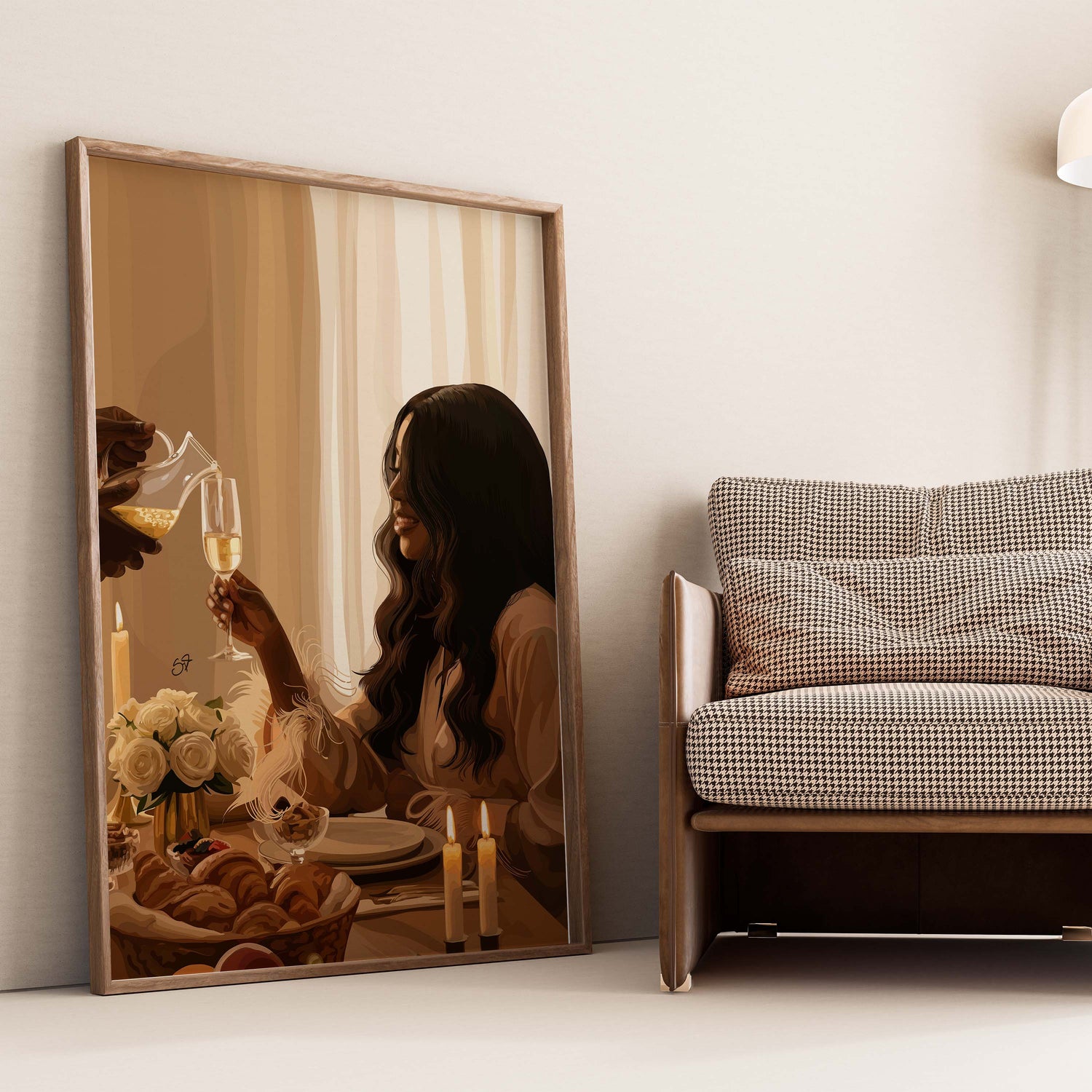
Wall art is often viewed as a decorative finishing touch, but its impact goes much deeper than simple decoration. Artwork plays a powerful psychological role in shaping how people feel within a space.
The colors, subjects, and composition of artwork can influence emotions, energy levels, and even productivity. For this reason, interior designers often select artwork carefully to create specific moods within different rooms.
Understanding the psychology of wall art can help homeowners design spaces that not only look beautiful but also support comfort, creativity, and well-being.
How Art Influences Emotions
Human beings respond strongly to visual imagery. Art has the ability to trigger emotional reactions, memories, and moods.
For example, calming landscapes often create feelings of peace and relaxation, while vibrant abstract art may evoke excitement and creativity.
Because of this emotional influence, the type of art chosen for a space should align with how the room is intended to feel.
Bedrooms may benefit from soothing imagery, while living rooms may feature more expressive artwork.
The Power of Color in Art
Color psychology plays a significant role in how artwork affects a room.
Different colors tend to evoke different emotional responses:
-
Blue often promotes calmness and focus.
-
Green is associated with nature and balance.
-
Yellow can stimulate energy and optimism.
-
Red creates excitement and intensity.
When these colors appear within artwork, they subtly influence the atmosphere of the room.
Choosing art with the right color palette can enhance the emotional experience of a space.
Art as a Source of Inspiration
Artwork can also serve as a source of inspiration. Many people display art that reflects their values, aspirations, or cultural heritage.
Seeing inspiring imagery daily can influence motivation and creativity.
For example, offices often feature art that promotes innovation, while creative studios may display bold and experimental pieces that stimulate imagination.
Art can act as a visual reminder of ideas, goals, and identity.

Creating a Sense of Identity
Homes are deeply personal spaces, and wall art plays a major role in expressing identity.
Artwork can reflect cultural traditions, travel experiences, personal interests, or artistic preferences.
Because art often carries emotional meaning, it contributes to a stronger connection between people and their living environments.
This sense of identity makes a home feel more authentic and comfortable.
Art and Spatial Perception
Artwork can also influence how large or small a room appears.
Large artwork can make a room feel more dramatic and expansive, while carefully chosen pieces with depth can create the illusion of space.
Similarly, vertical artwork can emphasize ceiling height, while horizontal pieces can make walls appear wider.
These visual effects contribute to the overall spatial perception of a room.
Enhancing Social Atmosphere
Art can also shape the social atmosphere of a home.
Conversation-starting artwork often becomes a focal point when guests visit. People naturally discuss interesting or meaningful art pieces, which encourages interaction.
Because of this, many living rooms and dining areas feature artwork that sparks curiosity and dialogue.
Art becomes a bridge between aesthetics and social connection.
Final Thoughts
Wall art plays a powerful psychological role in interior design. Beyond aesthetics, it influences mood, emotions, inspiration, and personal identity within a space.
By understanding how artwork affects perception and feeling, homeowners can make more thoughtful design choices that enhance both beauty and well-being.
The right artwork does more than decorate a wall—it shapes how a space is experienced every day.

Leave a comment
This site is protected by hCaptcha and the hCaptcha Privacy Policy and Terms of Service apply.