


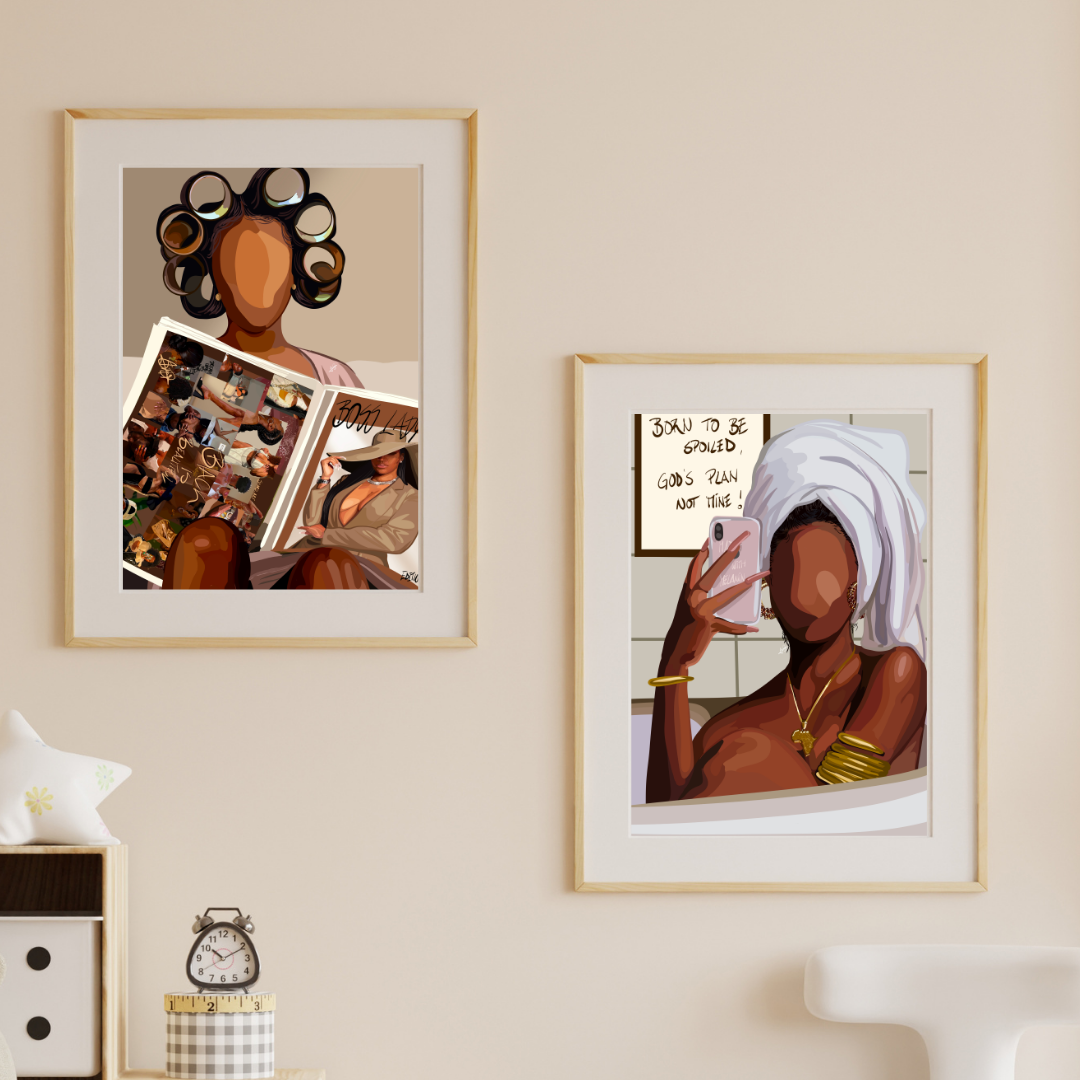
Wall art is more than decoration—it’s a powerful tool that shapes the energy and emotion of your space. The images, colors, and textures you choose can subtly influence how you feel, think, and even behave in a room. Understanding the psychology of wall art can help you design a home that energizes, relaxes, or inspires you every day.
How Colors Affect Your Mood
Colors play a huge role in emotional response. Warm tones like reds and oranges can energize and motivate, while blues and greens create calm and relaxation. Neutral tones provide balance, making a room feel harmonious and spacious. Choosing wall art with colors that align with the mood you want in a room is an essential first step.
Shapes and Patterns Matter Too
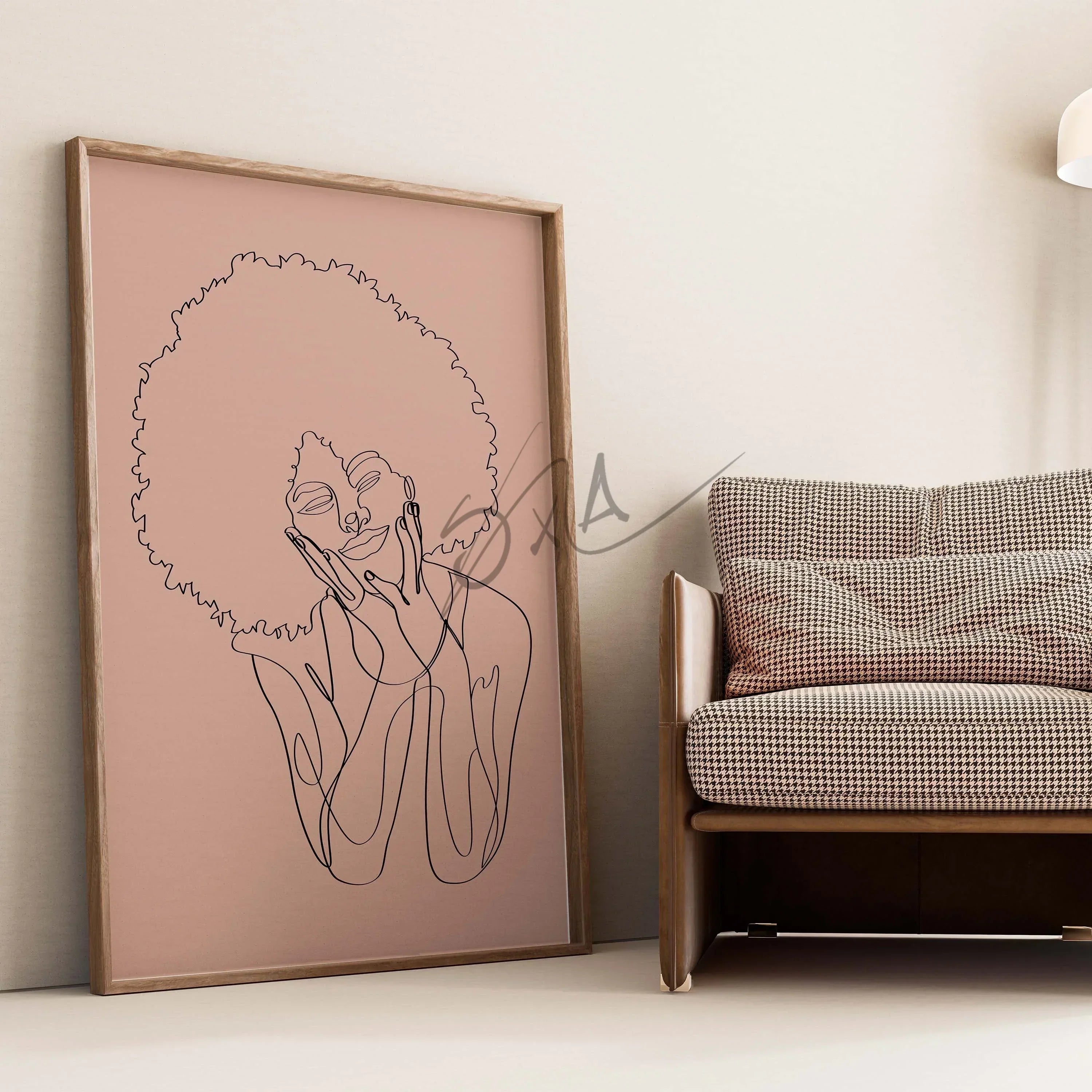
Curves, geometric shapes, and abstract patterns have subtle psychological effects. Curved lines are calming and friendly, while sharp geometric patterns can energize and stimulate focus. Abstract art encourages imagination and creativity, making it perfect for offices, studios, or living spaces where inspiration matters.

Scale and Placement Influence Perception
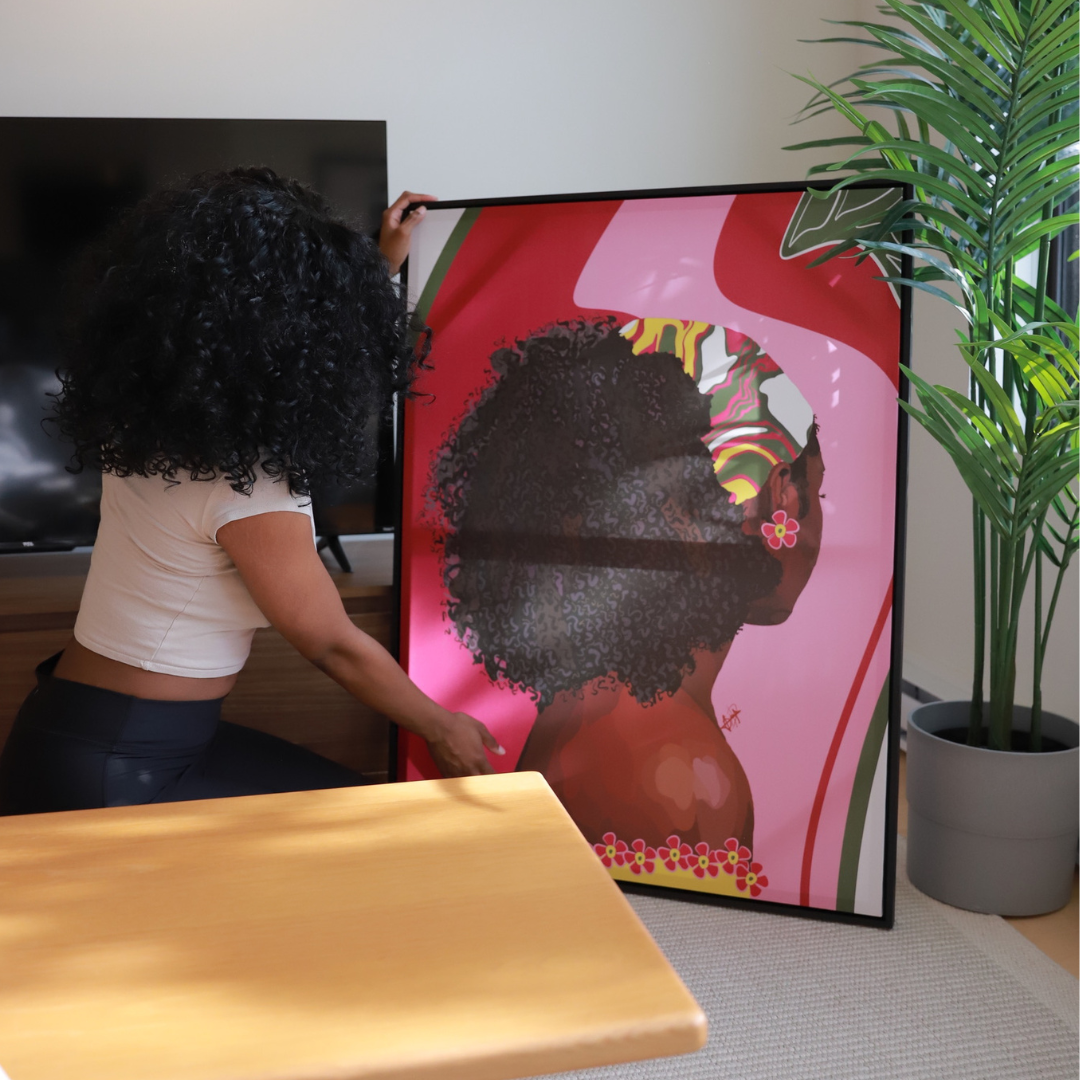
The size and position of art pieces affect how your brain perceives space. Oversized artwork can make a room feel more dynamic and bold, while smaller pieces grouped together create a sense of intimacy. Placing art at eye level ensures the piece communicates with the viewer naturally.
Art and Personal Connection
A painting, photograph, or print that resonates personally increases positive emotional impact. Images tied to memories, aspirations, or favorite themes trigger happiness, comfort, and confidence. Your wall art should tell your story and enhance your sense of wellbeing.
Practical Tips
-
Start with the mood you want to evoke in a room.
-
Match colors to room function: blues for bedrooms, energizing tones for workspaces.
-
Mix scales and textures to create visual interest.
-
Include pieces that inspire or motivate you personally.
Final Thoughts
By intentionally choosing wall art, you’re not just decorating—you’re crafting an environment that supports your lifestyle, emotions, and energy. A thoughtfully curated wall can transform a blank space into a place where you feel fully at home.

Leave a comment
This site is protected by hCaptcha and the hCaptcha Privacy Policy and Terms of Service apply.