


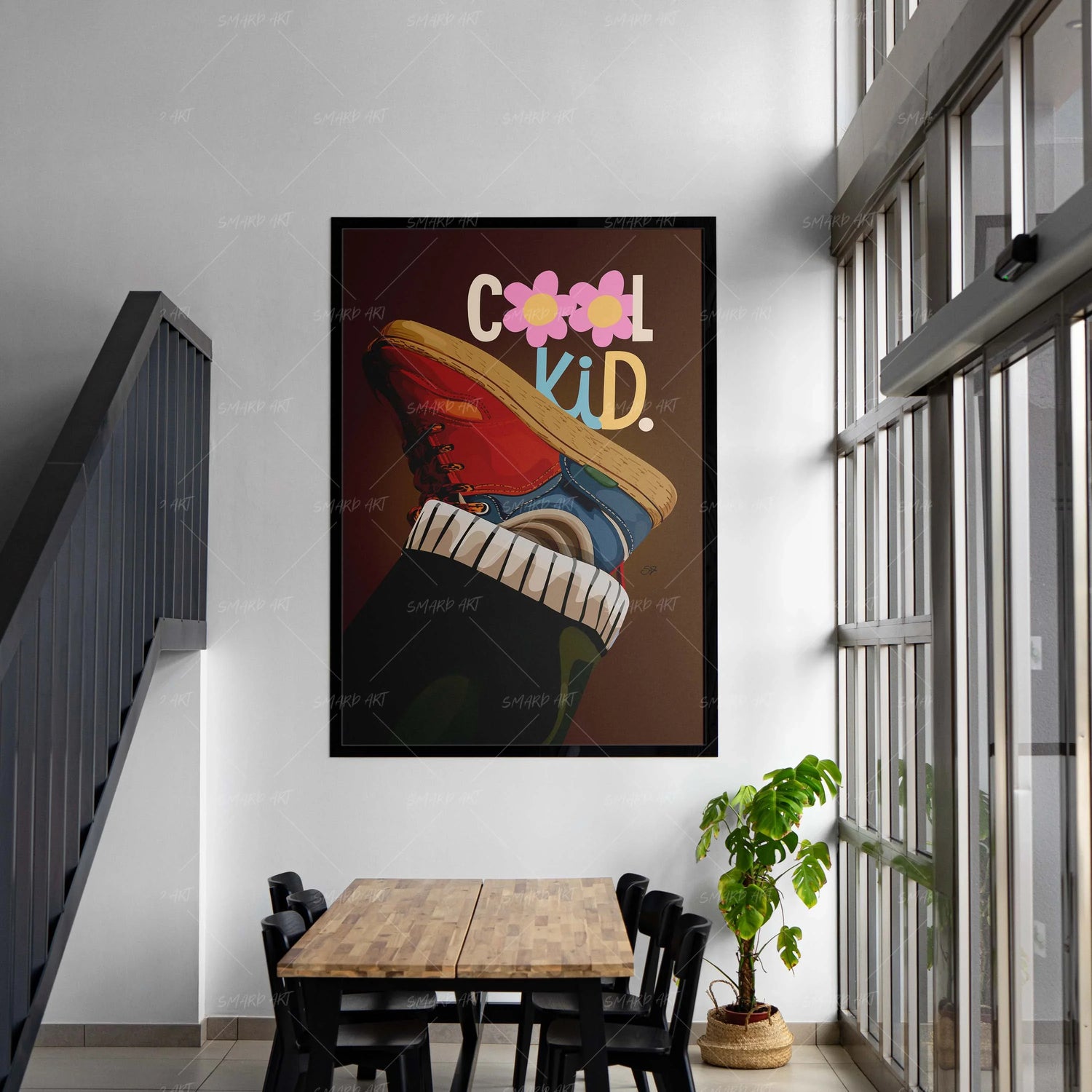
Your environment silently shapes how you think, feel, and function every day. While furniture and layout matter, research in psychology consistently shows that visual stimuli, especially wall art, play a significant role in emotional regulation and mental wellbeing.
This isn’t about decoration. It’s about how the brain responds to what it sees repeatedly.
1. The Brain Reacts Emotionally Before Logically
Psychology tells us that the brain processes images faster than text or spoken language. When you enter a room, your emotional response happens almost instantly.
Wall art influences:
- Stress levels
- Sense of safety
- Creativity and focus
- Emotional stability
Art that feels chaotic can increase mental noise. Art that feels grounded and intentional can create calm. This is why black wall art often plays a powerful role — it provides structure, clarity, and visual rest.
2. Familiar Visual Anchors Reduce Anxiety
Studies in environmental psychology show that familiar, stable visual elements help regulate anxiety. When the brain recognizes a consistent visual anchor, it signals safety.
Wall art becomes that anchor when:
- It stays consistent over time
- It holds personal meaning
- It visually grounds a space
Black wall art works exceptionally well because it remains neutral and steady across changing environments. Smard.art designs pieces that feel stable rather than overwhelming, helping create emotional continuity in the home.
3. Art Encourages Mindful Micro-Moments
You don’t need to meditate for an hour to benefit from mindfulness. Even brief pauses — a few seconds of visual engagement — can reset the nervous system.
Wall art encourages these micro-moments by:
- Drawing attention without demanding it
- Inviting reflection rather than distraction
- Offering visual depth that rewards stillness
Over time, these small moments accumulate into improved mental clarity and reduced stress.

4. Color and Contrast Affect Emotional Regulation
Color psychology plays a direct role in emotional response:
- Overly bright colors can overstimulate
- Too many competing colors can increase cognitive load
- Balanced contrast supports emotional equilibrium
Black wall art introduces contrast without overstimulation. It defines space while allowing the mind to rest. This is why therapists and designers often recommend darker, grounded art for bedrooms, reading spaces, and work areas.
5. Identity Expression Strengthens Emotional Health
Psychologists agree that environments reflecting personal identity improve self-esteem and emotional resilience.
When wall art reflects who you are:
- You feel more at home
- Emotional dissonance decreases
- Confidence and comfort increase
Smard.art emphasizes wall art that feels intentional and personal rather than generic. This helps transform homes into emotionally supportive environments.
6. Art Shapes Thought Patterns Over Time
What you see daily subtly shapes how you think. Inspirational or grounding art can reinforce positive mental habits.
Consistent exposure to meaningful wall art can:
- Encourage reflection
- Reduce mental clutter
- Improve emotional balance
This effect compounds over time, making art a long-term investment in wellbeing.
Final Thought
Mental wellbeing isn’t only shaped by habits and routines — it’s shaped by environment. Wall art plays a quiet but powerful role in emotional regulation, stress reduction, and identity reinforcement. With thoughtful choices from Smard.art, your walls can support not just your home’s look, but your mental health.

Leave a comment
This site is protected by hCaptcha and the hCaptcha Privacy Policy and Terms of Service apply.