


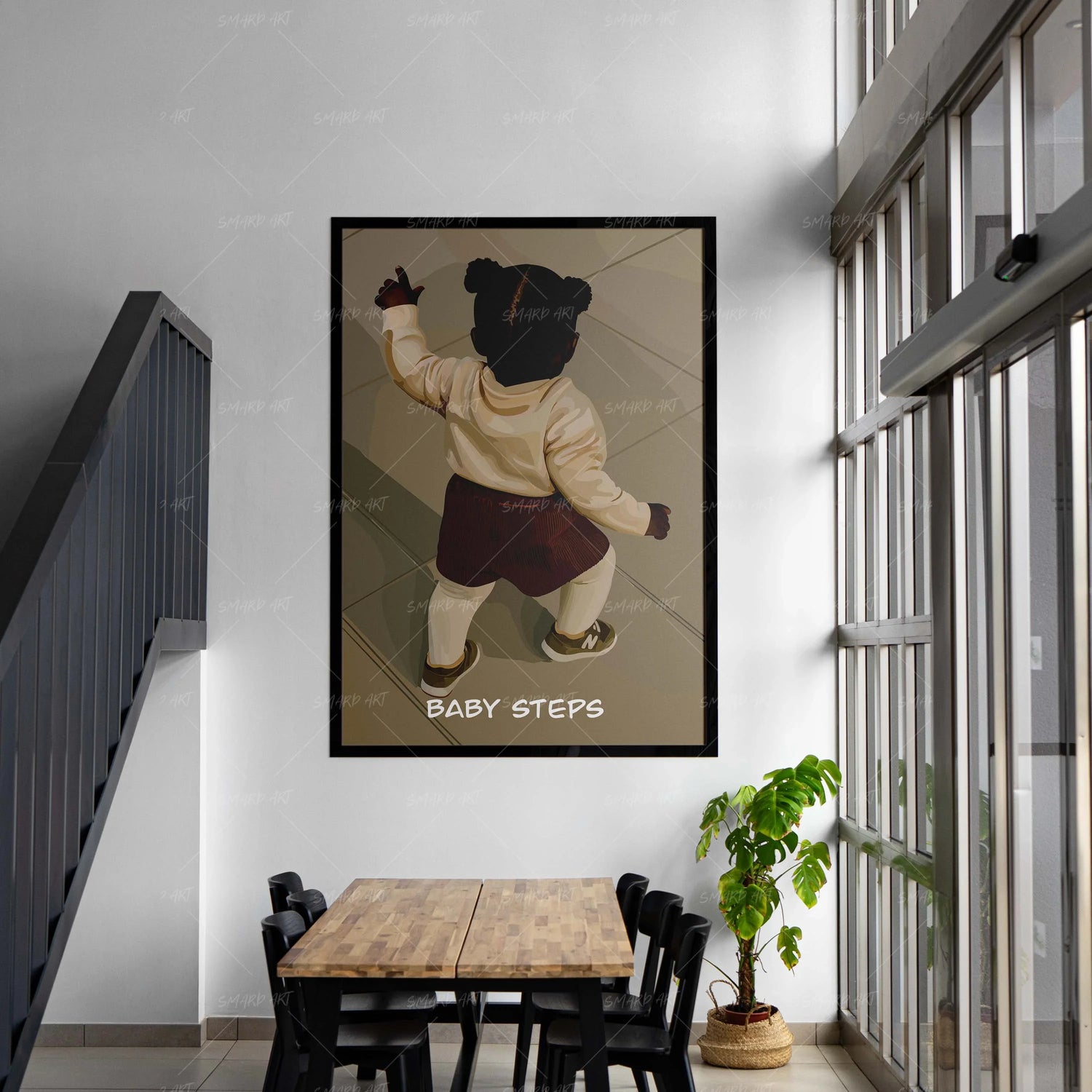
Interior design is most interesting when different styles come together to create something unique. One of the most exciting ways to achieve this is by mixing modern and traditional artwork within the same space.
While modern art often focuses on abstraction and bold expression, traditional art emphasizes realism, history, and classical techniques. When these styles are combined thoughtfully, they create rich and layered interiors that feel both contemporary and timeless.
Understanding the Differences Between Modern and Traditional Art
Before mixing styles, it is helpful to understand their core characteristics.
Traditional art typically includes:
- Realistic portraits
- Landscapes
- Historical scenes
- Classical compositions
Modern art often includes:
- Abstract paintings
- Geometric designs
- Experimental techniques
- Bold color combinations
The contrast between these styles is exactly what makes them work well together.
Establishing a Visual Balance
Balance is key when mixing different artistic styles.
If a room contains many modern pieces, introducing one traditional artwork can add depth and contrast. Similarly, in a room dominated by classic art, a bold abstract piece can refresh the design.
Maintaining visual balance ensures the space feels intentional rather than random.
Using Color as a Bridge
Color can unify different art styles. Even if the subjects and techniques vary, shared colors can create harmony.
For example, a traditional landscape painting with warm earth tones might pair beautifully with a modern abstract piece that uses similar colors.
This visual connection helps different artworks coexist comfortably within the same room.

Frame Choices Matter
Frames play an important role in blending styles.
Traditional artwork often features ornate wooden frames, while modern pieces may use sleek metal or minimalist frames.
Using frames with complementary colors or materials can help unify the display while preserving each piece’s unique style.
Creating a Focal Point
When mixing art styles, it helps to establish one focal piece that anchors the room.
This piece could be a large traditional painting or a bold modern artwork. Once the focal point is established, smaller complementary pieces can be arranged around it.
The focal piece guides the eye and organizes the surrounding elements.
Placement Strategies
Strategic placement helps maintain balance.
- Place modern art in areas that benefit from bold visual energy, such as living rooms or creative spaces.
- Position traditional pieces in quieter areas where their details can be appreciated.
- Combine styles within gallery walls for a curated look.
Thoughtful placement allows both styles to shine.
Personal Expression
One of the greatest advantages of mixing art styles is the opportunity for personal expression. A home that blends traditional heritage with modern creativity often feels more authentic and interesting.
Artwork that reflects personal taste, culture, and experiences adds emotional depth to interior design.
This personal touch is what ultimately makes a home unique.
Final Thoughts
Mixing modern and traditional art creates interiors that feel layered, dynamic, and timeless. By balancing styles, connecting colors, and placing artwork thoughtfully, homeowners can design spaces that celebrate both history and innovation.
When done well, this blend of artistic styles transforms walls into curated displays that tell meaningful stories.

Leave a comment
This site is protected by hCaptcha and the hCaptcha Privacy Policy and Terms of Service apply.