


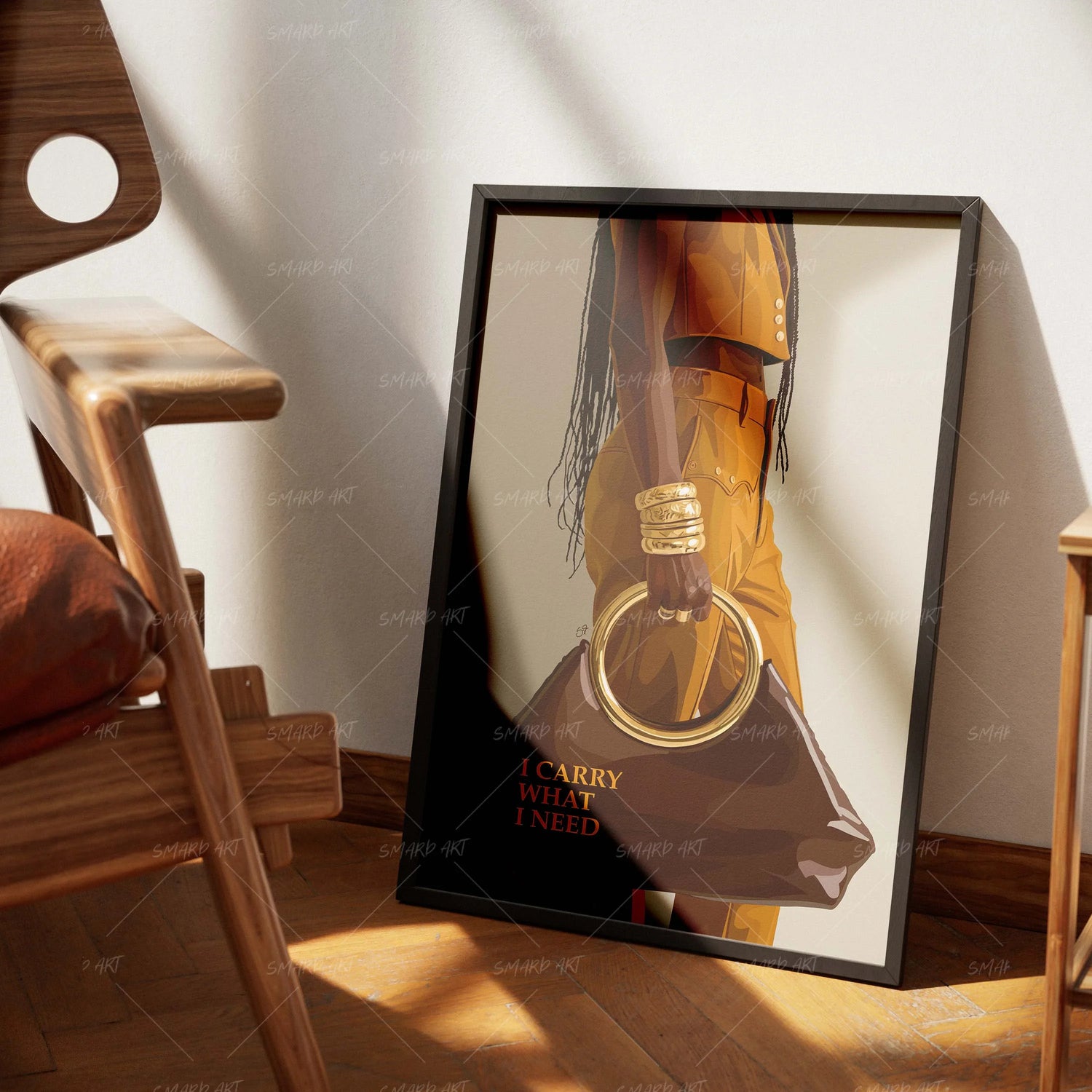
Large empty walls can be both exciting and intimidating. On one hand, they offer a blank canvas full of creative potential. On the other hand, many homeowners struggle with how to fill these spaces without making the room feel cluttered or unbalanced.
Interior designers often say that large walls are opportunities rather than problems. With the right approach, these spaces can become the most visually striking areas in a home.
Whether you prefer minimalist design or layered artistic displays, there are several effective ways to decorate large empty walls.
Start With a Statement Piece
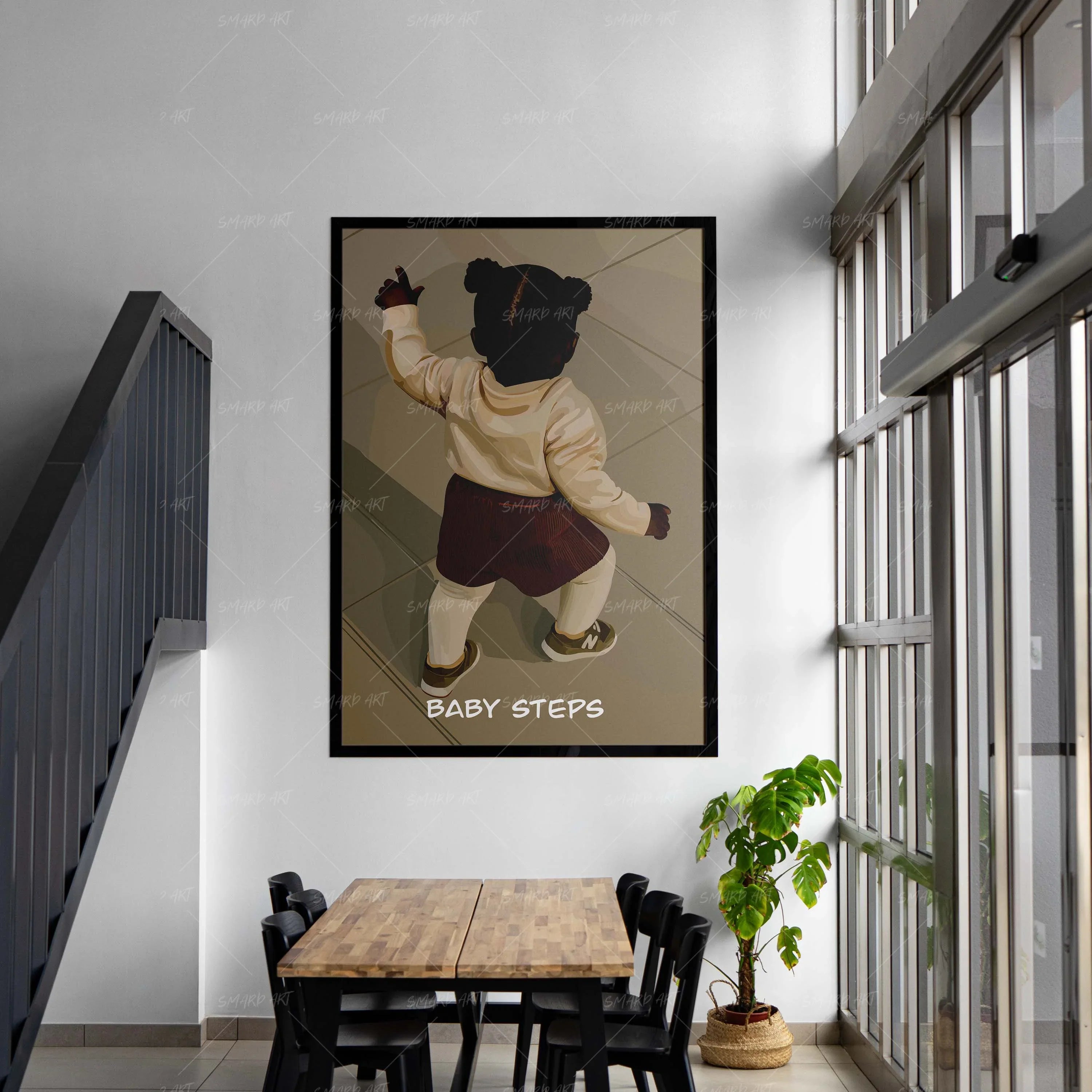
One of the simplest ways to decorate a large wall is by choosing a single oversized piece of artwork.
Large statement art creates an immediate focal point and eliminates the need for multiple decorations. This approach works particularly well in modern interiors where simplicity is valued.
A large canvas, bold abstract painting, or striking portrait can fill the wall while maintaining a clean and sophisticated appearance.
When selecting statement art, consider colors that complement the room’s furniture and décor.
Create a Gallery Wall
Gallery walls are another excellent option for large spaces. Instead of one large artwork, multiple pieces are arranged together to form a cohesive display.
Gallery walls can include:
- Art prints
- Photography
- Illustrations
- Cultural artwork
The key to a successful gallery wall is organization. Even though multiple pieces are used, they should form a clear visual shape such as a rectangle or grid.
Spacing between frames should remain consistent—usually around two to three inches—to maintain harmony.
Gallery walls are particularly effective in living rooms, hallways, and staircases.
Use Vertical Panels or Multi-Panel Art
Multi-panel artwork, sometimes called triptychs or diptychs, is another great way to fill large walls.
These artworks consist of multiple panels that together create a single image or visual theme. They add depth and movement to a wall while maintaining a cohesive design.
For example, a three-panel landscape painting can span the width of a large wall while still appearing balanced and intentional.
Multi-panel art works especially well above sofas and beds.

Combine Art With Shelving
Decorative shelves can also help fill large wall spaces while adding functionality.
Floating shelves allow homeowners to display smaller artworks, books, plants, and decorative objects.
This layered approach creates visual interest while keeping the wall flexible. Items can be rearranged easily, allowing the display to evolve over time.
Shelving works well in living rooms, offices, and creative spaces.
Incorporate Textured Wall Art
Textured artwork adds dimension to large walls. Instead of flat prints, textured pieces create depth and visual intrigue.
Examples include:
- Fabric or textile art
- Wooden wall panels
- Sculptural metal art
These pieces interact with light and shadow, creating a dynamic visual experience.
Texture helps prevent large walls from feeling flat or empty.
Use Symmetry for Balance
Symmetrical arrangements create a sense of order and elegance.
For example:
- Two large artworks placed side by side
- Matching frames arranged evenly above furniture
- Balanced groupings centered on a focal point
Symmetry works particularly well in formal living rooms and dining areas.
It creates visual stability while filling space effectively.
Leave Room for Negative Space
One common mistake when decorating large walls is overcrowding them with too many items.
Negative space—the empty space surrounding artwork—is essential for maintaining balance. It allows each piece to breathe and prevents the wall from feeling cluttered.
Sometimes a single large artwork with plenty of surrounding space creates the most powerful impact.
Final Thoughts
Large empty walls offer incredible design potential. With the right combination of statement pieces, gallery arrangements, shelving, and textured art, these spaces can become stunning focal points within a home.
Rather than viewing empty walls as a problem, homeowners can treat them as opportunities to showcase creativity and personality.
When decorated thoughtfully, large walls transform rooms into visually engaging environments that feel complete and inviting.

Leave a comment
This site is protected by hCaptcha and the hCaptcha Privacy Policy and Terms of Service apply.