


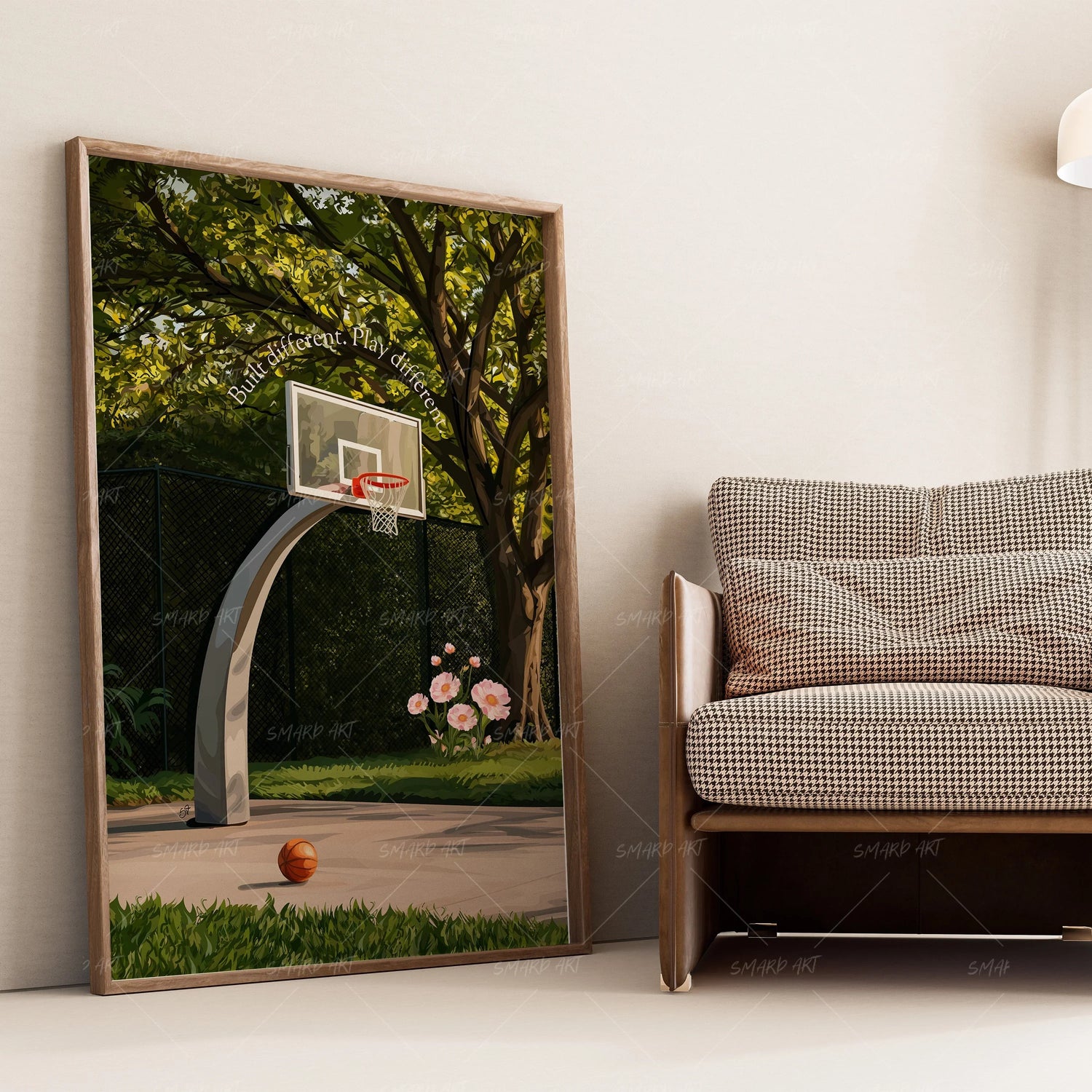
Matching wall art with furniture is one of the most overlooked aspects of interior design. When done right, it creates a seamless and polished look. When done wrong, even beautiful pieces can feel disconnected from the space.
The goal is not to perfectly match everything, but to create harmony. Wall art should complement your furniture, not compete with it.
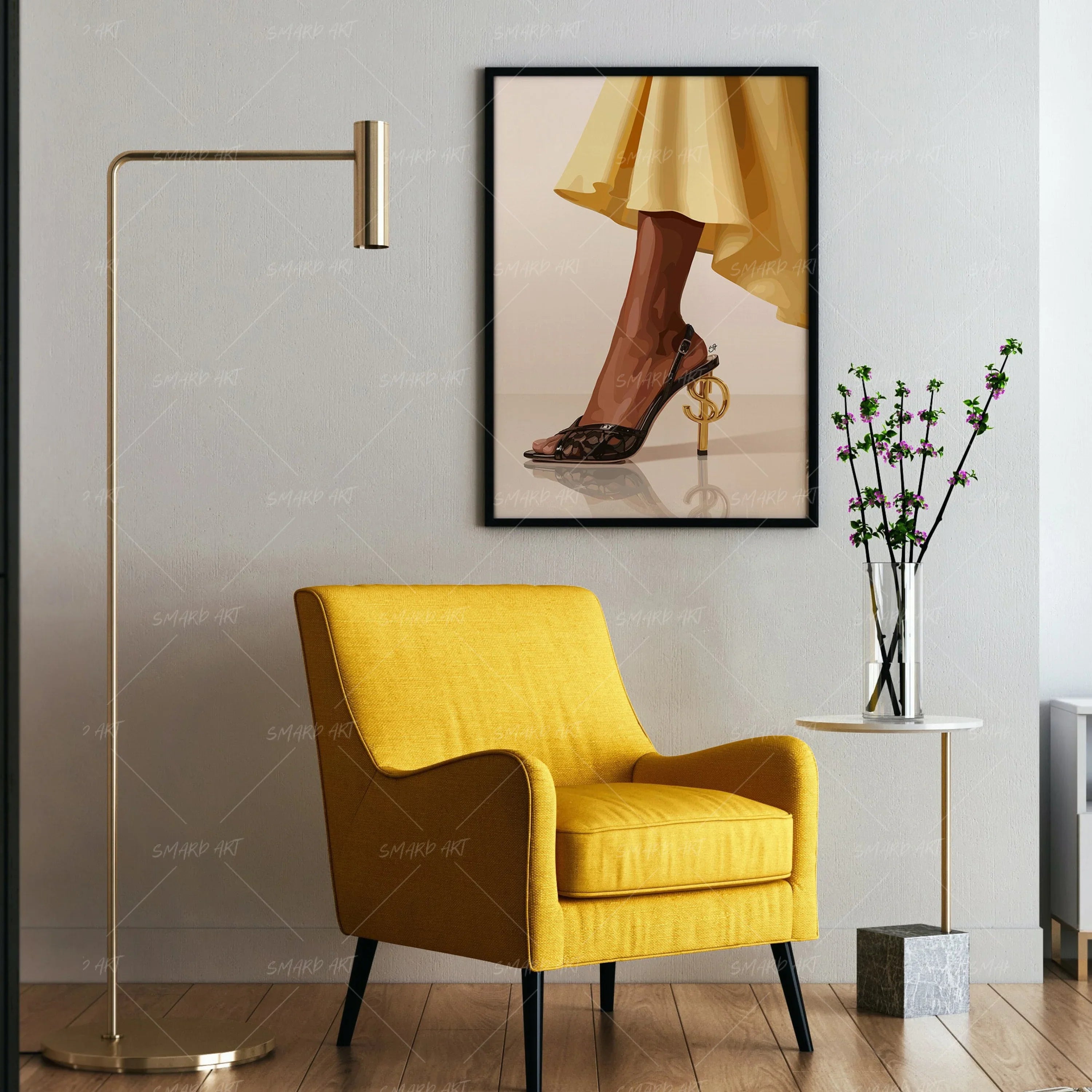
Start with color. One of the easiest ways to create cohesion is by pulling colors from your furniture into your artwork. For example, if your sofa has warm tones, choosing wall art with similar hues helps tie the room together.
Contrast can also work effectively. If your furniture is neutral, bold artwork can add energy and become a focal point. The key is balance—too much contrast can feel overwhelming, while too little can feel flat.
Scale is another important factor. Artwork should be proportional to the furniture it is paired with. A large sofa, for example, requires larger or grouped artwork to avoid looking underwhelming.
Placement matters just as much. Wall art should be centered above furniture and positioned at a comfortable viewing height. This creates a natural connection between the elements.
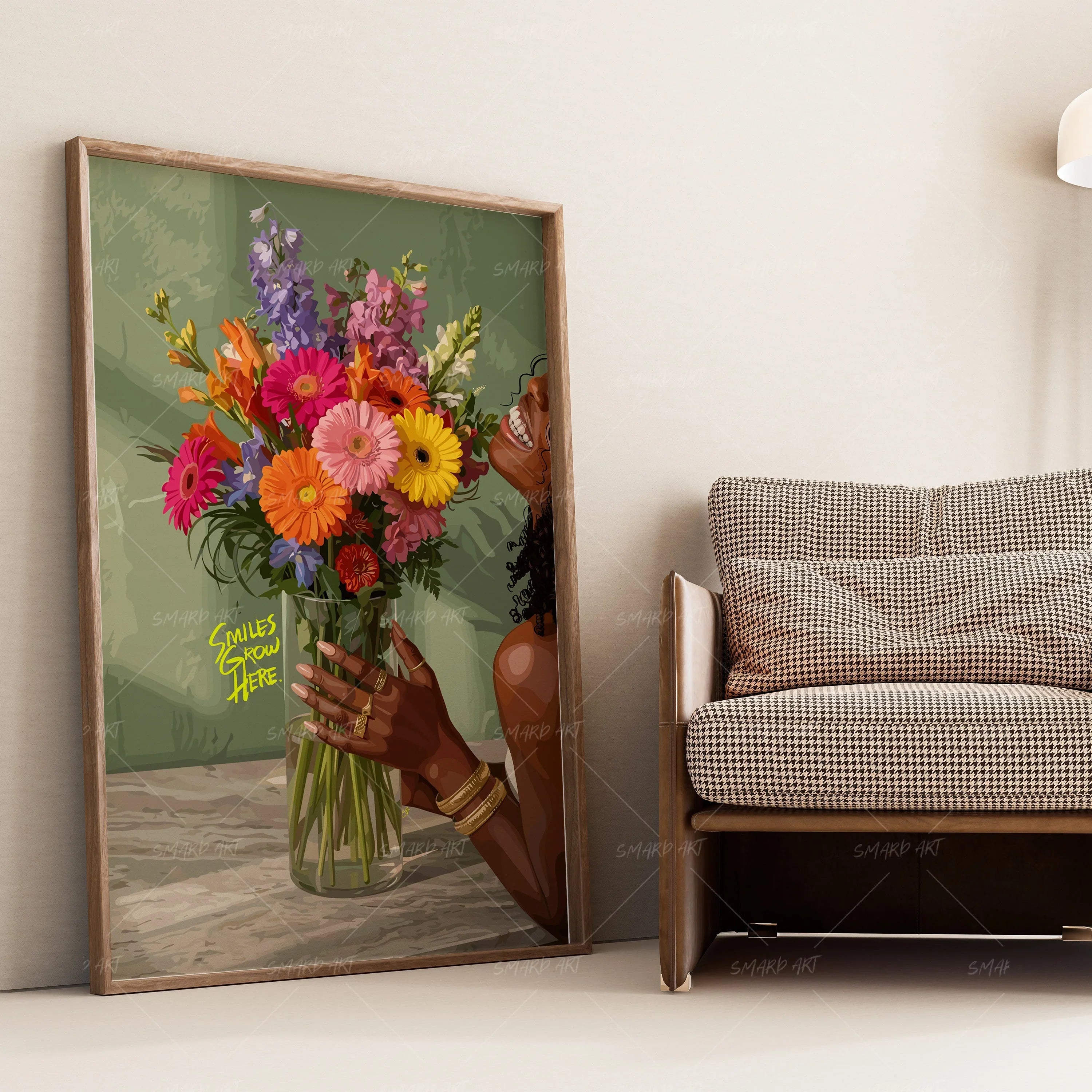
Texture adds another layer of cohesion. If your furniture features soft fabrics, consider canvas or textured artwork. For sleek furniture, clean and polished art styles work well.
Style alignment is crucial. Modern furniture pairs best with abstract or minimalist art, while traditional furniture works well with classic or vintage pieces. Keeping styles aligned ensures the room feels intentional.
Lighting can enhance both the furniture and the artwork. Proper lighting highlights colors and textures, making the entire arrangement feel more unified.
Ultimately, matching wall art with furniture is about creating balance. By considering color, scale, placement, and style, you can design a space that feels cohesive and visually appealing.

Leave a comment
This site is protected by hCaptcha and the hCaptcha Privacy Policy and Terms of Service apply.