


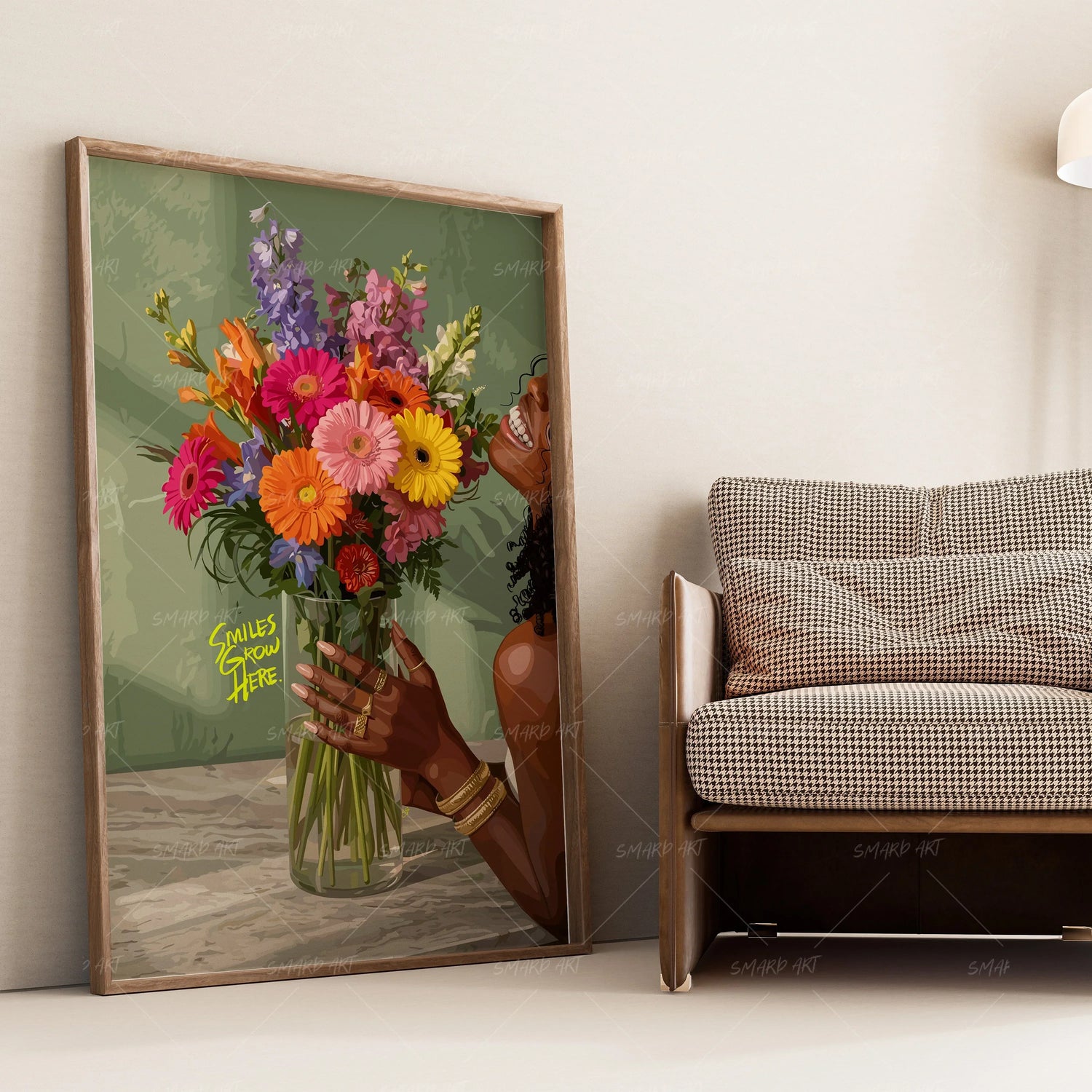
Wall art has the power to transform a space, but when done incorrectly, it can have the opposite effect. Even the most beautiful artwork can look out of place if certain design principles are overlooked.
One of the most common mistakes is choosing artwork that is too small. Small pieces can get lost on large walls, making the space feel incomplete. To fix this, either choose larger artwork or group smaller pieces together to create a gallery wall.
Another frequent issue is hanging artwork too high. When art is placed above eye level, it feels disconnected from the rest of the room. The solution is simple—hang artwork so its center is at eye level for a more natural and cohesive look.
Poor spacing is another problem. Artwork that is too far apart can feel disjointed, while pieces that are too close together can look cluttered. Maintaining consistent spacing creates a clean and balanced appearance.
Ignoring scale and proportion can disrupt the entire design. Artwork should relate to the size of the wall and surrounding furniture. For example, a small piece above a large sofa will feel out of place. Choosing the right proportions ensures harmony.
Mismatched styles can also create confusion. While mixing styles can work, it requires a unifying element such as color or theme. Without this, the space can feel chaotic rather than curated.
Another mistake is neglecting color coordination. Artwork that clashes with the room’s color palette can disrupt the overall design. Selecting pieces that complement or thoughtfully contrast with existing colors helps create cohesion.
Overcrowding walls is a common issue, especially when trying to display multiple pieces. Too much artwork can make a room feel busy and overwhelming. Leaving some empty space allows the artwork to stand out and breathe.
Lighting is often overlooked. Poor lighting can diminish the impact of even the best artwork. Adding proper lighting ensures that colors, textures, and details are visible and appreciated.
Choosing art without personal connection is another mistake. While trends can be inspiring, your home should reflect your personality. Selecting meaningful artwork creates a space that feels authentic and inviting.
Finally, lack of planning can lead to uneven or unbalanced arrangements. Taking the time to plan layouts, measure spaces, and visualize the final look can prevent costly mistakes.
The good news is that most wall art mistakes are easy to fix. Small adjustments in placement, size, or arrangement can dramatically improve the overall look.
Wall art should enhance your space, not complicate it. By avoiding these common mistakes, you can create a home that feels balanced, stylish, and thoughtfully designed.

Leave a comment
This site is protected by hCaptcha and the hCaptcha Privacy Policy and Terms of Service apply.