


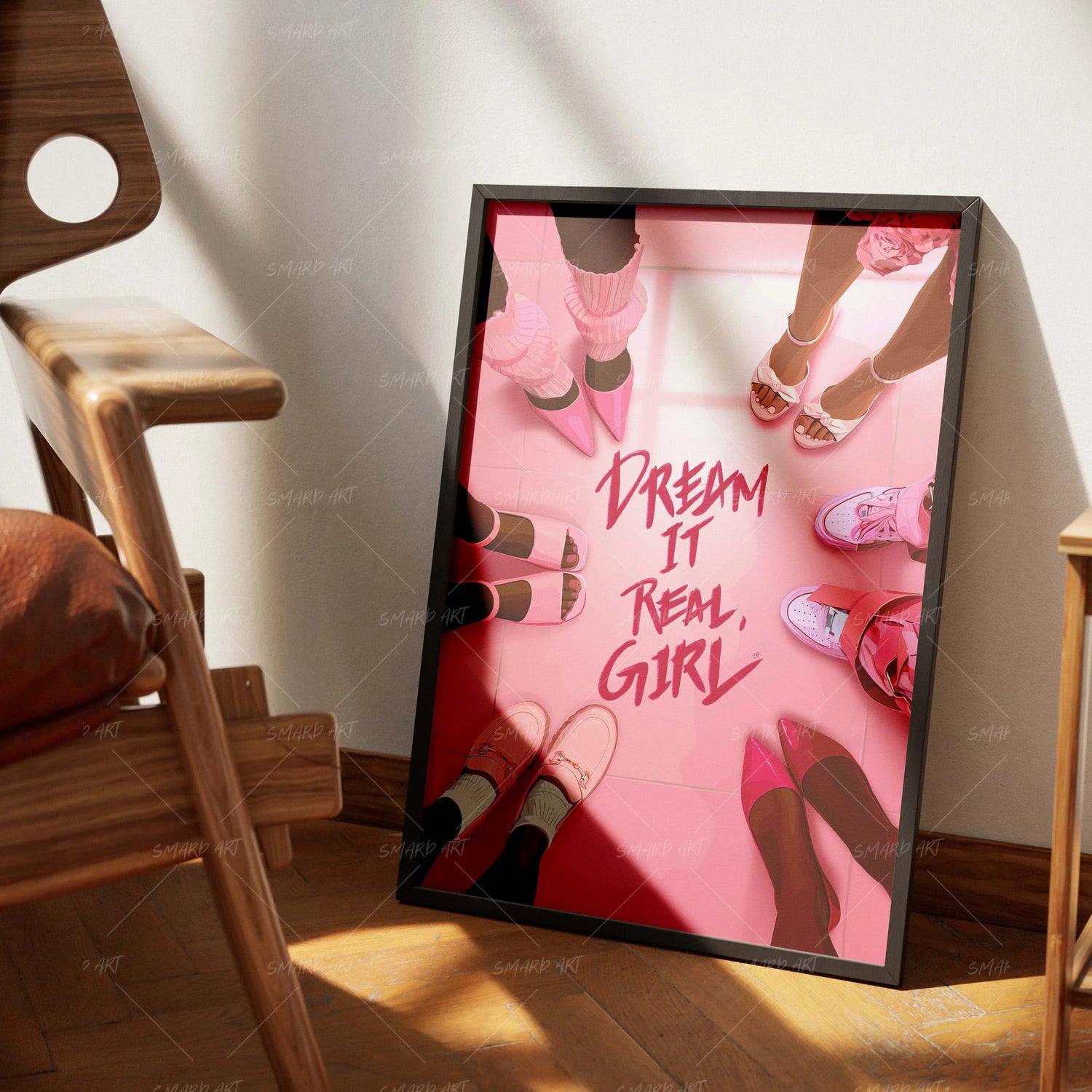
Choosing wall art may seem simple at first, but it is one of the most important decisions in interior design. The right piece can transform a room, while the wrong one can feel out of place no matter how beautiful it is on its own. Understanding how to select the perfect wall art ensures that every piece you add contributes to a balanced and visually appealing space.
The process begins with understanding the purpose of the room. Every space in a home serves a different function, and the artwork should reflect that. A living room often benefits from bold and engaging pieces that encourage conversation, while a bedroom requires softer, more calming artwork. Offices, on the other hand, may need art that inspires focus and productivity.
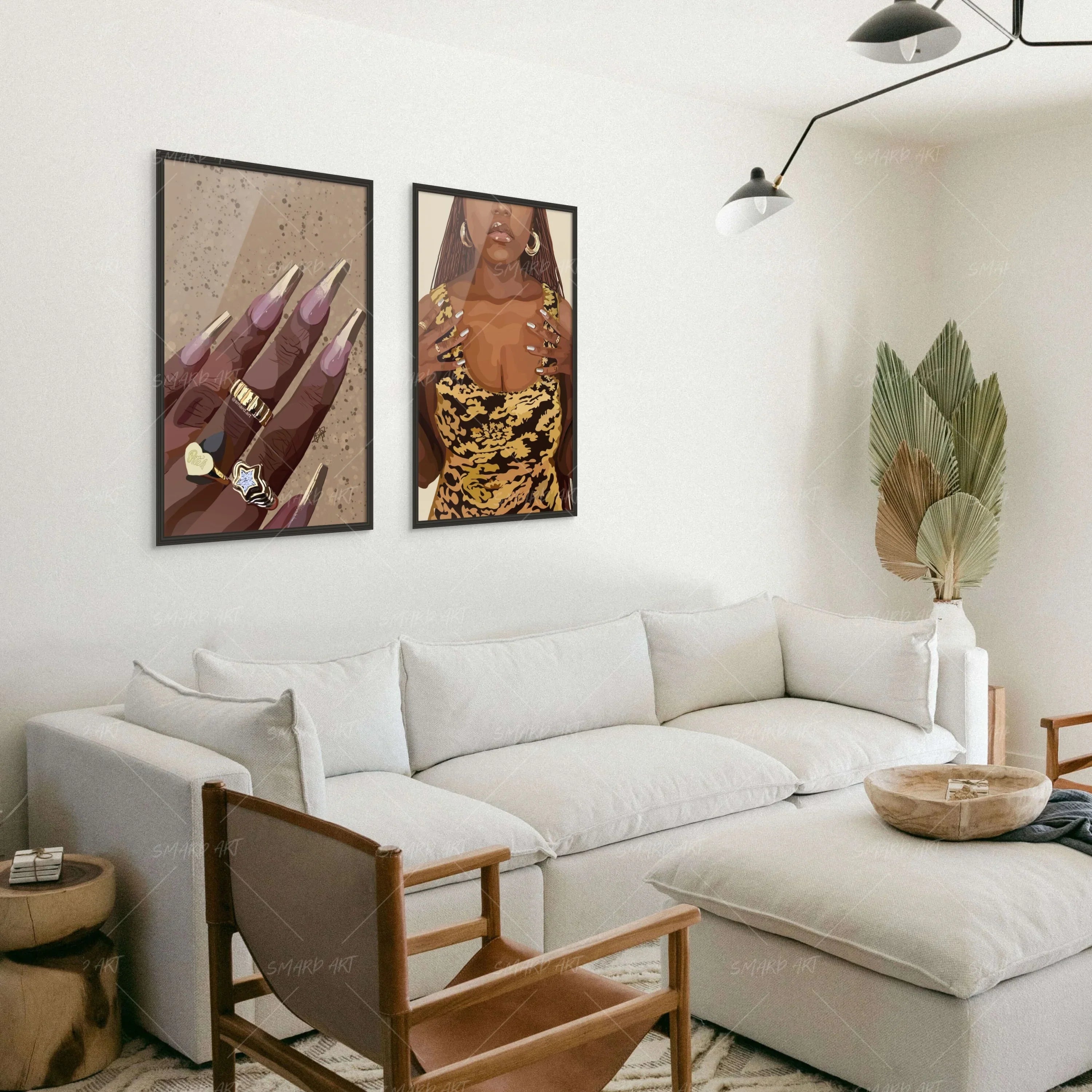
Size is one of the most critical factors. Artwork that is too small can feel insignificant, while pieces that are too large may overwhelm the space. A general guideline is that wall art should take up a substantial portion of the wall without dominating it entirely. When placing art above furniture, such as a sofa or bed, the artwork should typically span a significant portion of the furniture’s width to create balance.
Color coordination is equally important. Wall art should either complement the existing color palette or introduce a controlled contrast that enhances the overall design. Neutral spaces can benefit from bold artwork that adds energy, while colorful rooms may require more subtle pieces to maintain harmony.
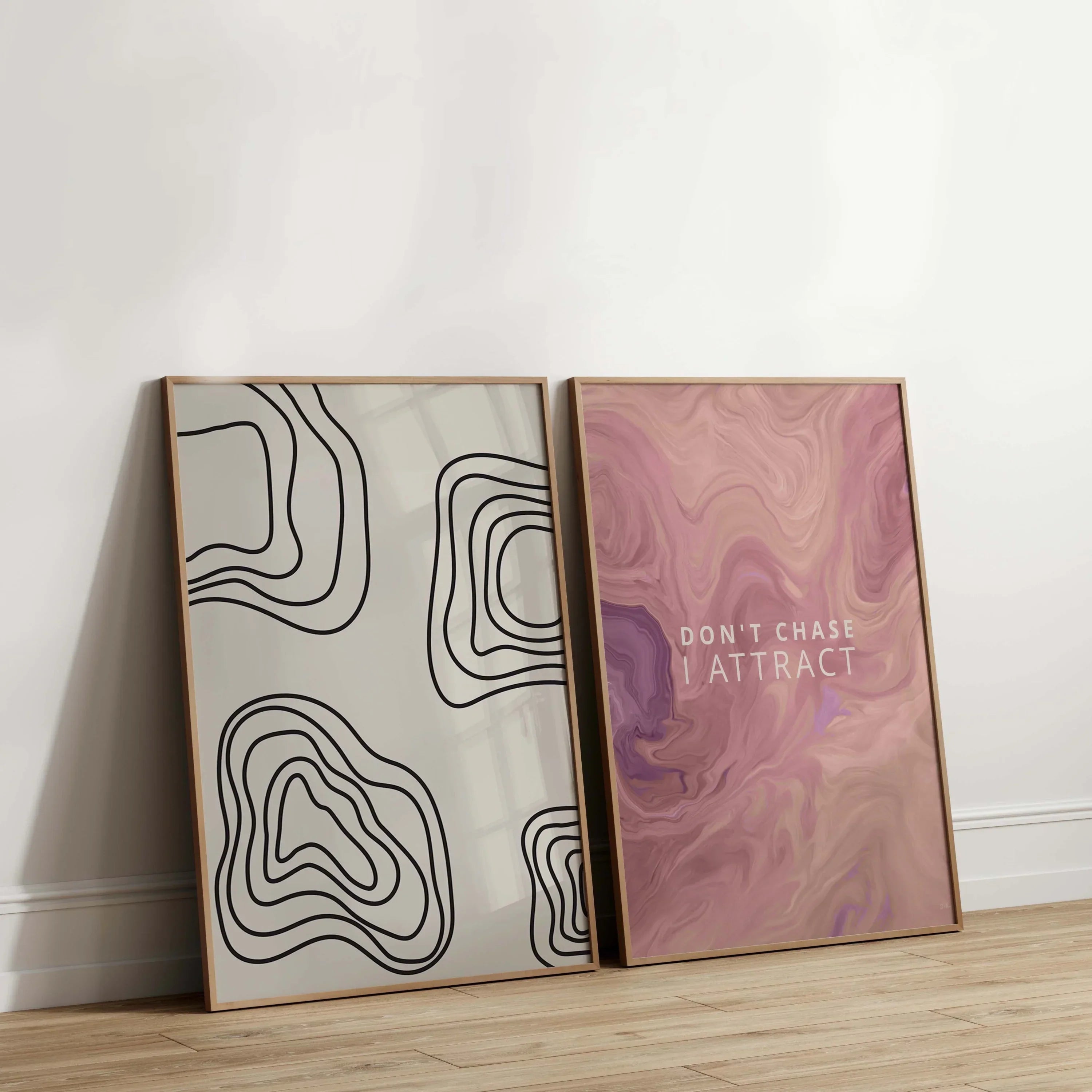
Style consistency helps create a cohesive look throughout the home. While it is not necessary for every piece to match exactly, there should be a sense of connection between them. This can be achieved through similar color schemes, themes, or framing styles. When all elements work together, the space feels intentional and well-designed.
Another important factor is emotional connection. The best wall art is not just visually appealing—it resonates on a personal level. Whether it reflects memories, culture, or personal taste, meaningful artwork adds depth and authenticity to a space.

Placement plays a significant role in how art is perceived. The center of the artwork should generally be at eye level, ensuring that it is comfortable to view. Proper spacing between multiple pieces also helps maintain a clean and organized appearance.
Lighting can enhance the impact of wall art. Natural light can highlight colors and details, while artificial lighting can be used to create focus and drama. Well-lit artwork becomes a focal point and draws attention effortlessly.
Texture is another element that can elevate wall art. Pieces with layered materials or visible brushstrokes add depth and interest, making the space feel more dynamic. This is especially useful in minimalist interiors where subtle details can make a big difference.
Budget is also a practical consideration. High-quality art does not always have to be expensive. Prints, reproductions, and digital art options make it possible to achieve a sophisticated look without exceeding budget limits.
Finally, trust your instincts. While design principles provide guidance, personal preference should always play a role. Your home should reflect your personality, and the art you choose should make you feel comfortable and inspired.
Choosing the perfect wall art is about more than filling empty walls. It is about creating a space that feels complete, balanced, and uniquely yours. With careful consideration of size, color, style, and placement, you can transform any room into a visually compelling and meaningful environment.

Leave a comment
This site is protected by hCaptcha and the hCaptcha Privacy Policy and Terms of Service apply.