


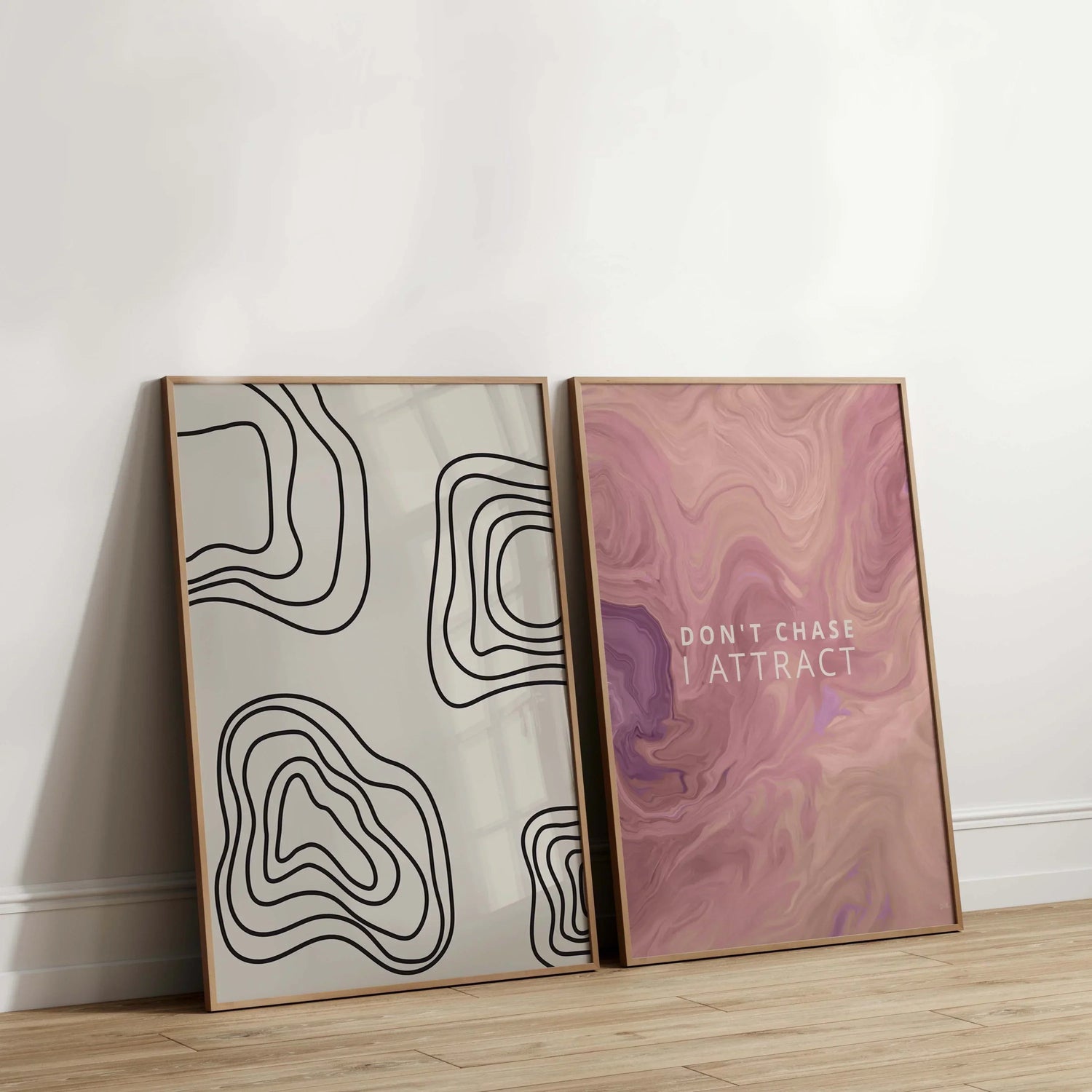
The bedroom is one of the most personal spaces in any home. It is where people rest, recharge, and find a sense of calm after a long day. Because of this, every design choice in the bedroom should contribute to a peaceful and comfortable atmosphere. Wall art plays an important role in achieving this balance.
Unlike living rooms or offices, where bold statements often work well, bedroom wall art should feel more soothing and intentional. The goal is not to overwhelm the space, but to enhance it in a way that supports relaxation. This begins with choosing artwork that reflects calmness, simplicity, and emotional comfort.
One of the most effective approaches is to select art with soft, neutral tones. Colors such as beige, cream, light gray, and muted pastels can create a gentle visual experience. These tones help reduce visual noise and allow the mind to settle, making them ideal for a restful environment. Artwork that incorporates these colors tends to blend seamlessly into the room without demanding too much attention.
The subject of the artwork also matters. Nature-inspired pieces are particularly popular for bedrooms because they evoke a sense of tranquility. Landscapes, abstract interpretations of nature, or subtle organic patterns can create a connection to the natural world, which has a calming effect on the mind.
Placement is another key factor. The wall above the bed is often the focal point of the room, making it a natural choice for artwork. A single, well-proportioned piece can anchor the space and create a sense of balance. Alternatively, a set of coordinated pieces can be arranged to form a cohesive visual statement without overwhelming the area.
Scale should always be considered. Artwork that is too small may feel insignificant, while pieces that are too large can dominate the room. The goal is to find a size that complements the bed and surrounding furniture, creating a sense of harmony.

Texture can add depth to bedroom wall art without disrupting the calm atmosphere. Subtle textures, such as soft brushstrokes or layered designs, introduce visual interest while maintaining a sense of simplicity. This helps prevent the space from feeling flat while still keeping it relaxing.
Lighting also influences how wall art is perceived in a bedroom. Soft, warm lighting enhances the calming effect of the artwork and creates a cozy environment. Harsh or overly bright lighting can have the opposite effect, making the space feel less inviting.
Another important aspect is personal connection. The best bedroom art is often something that resonates on a deeper level. Whether it is a piece that evokes a memory or simply something that feels comforting, personal meaning can enhance the emotional impact of the space.
Minimalism often works well in bedrooms. Instead of filling every wall, focusing on a few carefully chosen pieces can create a more refined and peaceful environment. This approach allows each piece to stand out without overwhelming the senses.
Ultimately, bedroom wall art should contribute to a sense of rest and balance. It should support the purpose of the room, creating an environment where relaxation comes naturally. When chosen thoughtfully, wall art becomes an essential part of a bedroom’s atmosphere.
A well-designed bedroom is not just visually appealing—it is emotionally supportive. With the right artwork, it becomes a space where both the body and mind can truly unwind.


Leave a comment
This site is protected by hCaptcha and the hCaptcha Privacy Policy and Terms of Service apply.