


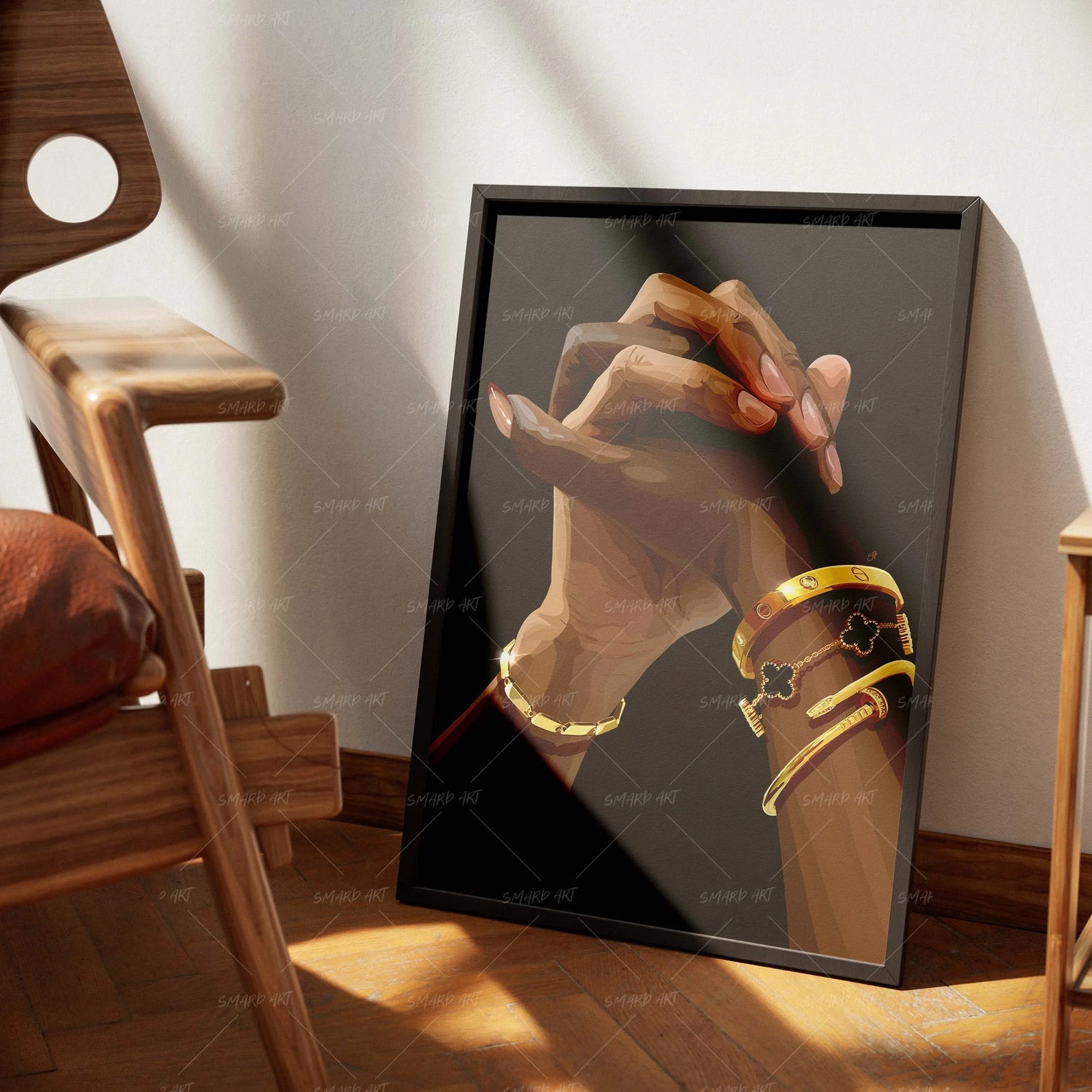
Black History Month brings heightened visibility to African American culture and legacy. Homes, offices, and classrooms display symbolic decor, portraits, and inspirational quotes throughout February.
But when March arrives, many of these pieces come down.
The real question is: Why should they?
Black history is not seasonal. It is continuous. And styling Black History wall art in a way that feels timeless ensures representation remains part of everyday life.
Here’s how to transition from February decor to forever design.
1. Choose Timeless Designs Over Seasonal Themes
Avoid artwork that feels event-based.
Instead of prints that explicitly say “Black History Month,” choose:
- Portrait art with clean framing
- Minimalist symbolic designs
- Abstract Afrocentric pieces
- Neutral-toned cultural prints
Timeless design ensures your art blends seamlessly with your existing decor.
Modern black wall art can feel both powerful and sophisticated without appearing temporary.
2. Invest in Quality Framing
Presentation determines longevity.
High-quality frames, canvas wraps, or gallery mounts elevate African American wall art from seasonal decoration to permanent feature.
Neutral frame colors like:
- Matte black
- Natural wood
- Gold accents
enhance integration into contemporary interiors.
When art looks refined, it stays up.
3. Balance Bold Cultural Pieces with Neutral Surroundings
To avoid overwhelming a room, balance strong symbolic art with neutral furniture and walls.
For example:
- Pair a bold raised fist print with a neutral sofa.
- Display Africa silhouette art against soft beige walls.
- Style empowering quotes above minimalist desks.
Contrast creates harmony.
When balanced thoughtfully, Black wall art enhances modern interior design rather than competing with it.
4. Integrate Cultural Art Across Multiple Rooms
Representation does not need to be centralized.
Consider placing Black History wall art in:
- Living rooms (statement pieces)
- Bedrooms (inspirational quotes)
- Home offices (leadership portraits)
- Hallways (gallery-style collections)
Distributing cultural decor reinforces that representation belongs everywhere.

5. Create a Legacy Wall
Instead of changing art monthly, build a permanent “legacy wall.”
This could include:
- Influential Black leaders
- Symbolic artwork
- Cultural typography
- Modern Afrocentric abstract designs
Over time, this wall becomes a visual archive.
Guests notice it. Children grow up seeing it. Conversations start naturally.
Legacy becomes visible.
6. Keep Education Embedded in Design
When someone asks about a piece, share its story.
Explain:
- The symbolism
- The historical figure
- The cultural meaning
This keeps education active year-round.
Black History wall art becomes more than decor — it becomes dialogue.
7. Align Representation with Personal Identity
Choose artwork that resonates personally.
Ask yourself:
- What aspects of Black history connect with my values?
- Which figures inspire me most?
- What messages do I want reinforced daily?
When art aligns with identity, it feels permanent.
8. Extend Representation Into Professional Spaces
The “February to Forever” mindset applies to offices as well.
Keeping cultural art in meeting rooms, hallways, and workspaces reinforces inclusion long-term.
Representation should not disappear when awareness campaigns end.
Consistency builds credibility.
Why Permanent Representation Matters
When decor changes monthly, meaning feels temporary.
When decor remains, meaning feels foundational.
Black History Month sparks awareness. Year-round styling sustains it.
Permanent representation:
- Strengthens identity
- Encourages belonging
- Reinforces cultural pride
- Sparks continuous conversation
It transforms recognition into integration.
The Role of Digital Discovery
As more people search online for:
- “Black wall art for living room”
- “African American home decor ideas”
- “Modern Black History Month decor”
long-form, educational styling guides ensure cultural art remains visible in digital spaces too.
When decor is contextualized with meaning, it travels further — both online and offline.
Final Reflection
February shines a spotlight.
But legacy does not depend on a spotlight.
Black History wall art deserves permanence — not because it is trending, but because it is foundational.
From February to forever, representation belongs on your walls.
And when representation stays visible, history stays alive.

Leave a comment
This site is protected by hCaptcha and the hCaptcha Privacy Policy and Terms of Service apply.