


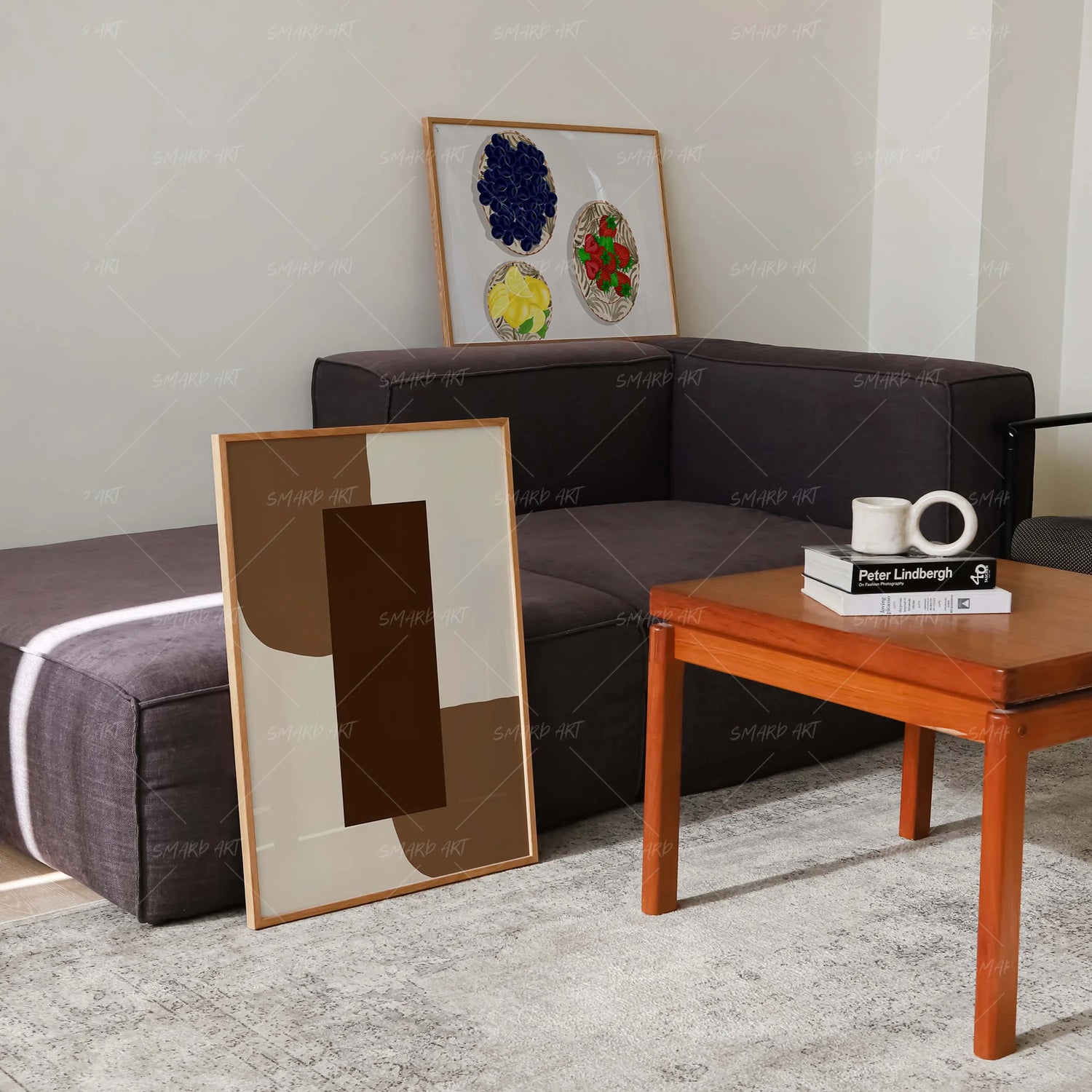
The living room is often the heart of the home. It is where people gather, entertain guests, and spend time relaxing. Because of its central role, the design of this space should feel both inviting and visually appealing. Wall art plays a key part in achieving this, helping to define the atmosphere and bring the entire room together.
Choosing the best wall art for a living room starts with understanding the space itself. The size of the room, the layout of furniture, and the existing color palette all influence what type of artwork will work best. Large, open living rooms can handle bold and oversized pieces, while smaller spaces may benefit from more curated arrangements.
One of the most effective approaches is to create a focal point. The wall behind the sofa is often the ideal place for this. A large statement piece can anchor the room and immediately draw attention, setting the tone for the rest of the décor. This approach works especially well in modern and minimalist interiors where simplicity is key.
For those who prefer a more layered look, a gallery wall can add depth and personality. By combining multiple pieces, you can tell a visual story that reflects your style and interests. The key is to maintain some level of cohesion, whether through color, theme, or frame style, so the arrangement feels intentional rather than cluttered.
Color coordination is essential in living room wall art. The artwork should either complement the existing colors or introduce a balanced contrast. Neutral spaces can benefit from vibrant art that adds energy, while colorful rooms may require more subdued pieces to maintain harmony.
Texture is another element that can enhance living room décor. Canvas prints, layered designs, or mixed-media pieces add depth and interest, making the space feel more dynamic. This is particularly useful in rooms with simple furniture, where texture can prevent the design from feeling flat.

Lighting plays a significant role in how wall art is experienced. Natural light can highlight colors and details, while accent lighting can be used to emphasize specific pieces. Proper lighting ensures that the artwork remains a focal point even in the evening.
Scale and proportion should always be considered. Artwork that is too small can feel lost on a large wall, while oversized pieces in small spaces can feel overwhelming. Finding the right balance ensures that the art enhances the room rather than disrupting it.
Another important factor is personal expression. The living room is a shared space, so the artwork should reflect the personality and preferences of those who use it. Whether it is abstract art, nature-inspired designs, or cultural pieces, meaningful artwork adds depth and authenticity.
Seasonal flexibility is also worth considering. Some homeowners like to update their living room décor throughout the year. Choosing versatile wall art or arrangements that can be easily adjusted allows for these changes without requiring a complete redesign.
Ultimately, the best wall art for a living room is artwork that brings the space to life. It should create a sense of balance, reflect personal style, and enhance the overall design. When chosen thoughtfully, wall art becomes more than decoration—it becomes a defining feature of the room.
A well-designed living room feels complete, inviting, and cohesive. With the right wall art, you can transform your space into an environment that is both stylish and comfortable.

Leave a comment
This site is protected by hCaptcha and the hCaptcha Privacy Policy and Terms of Service apply.